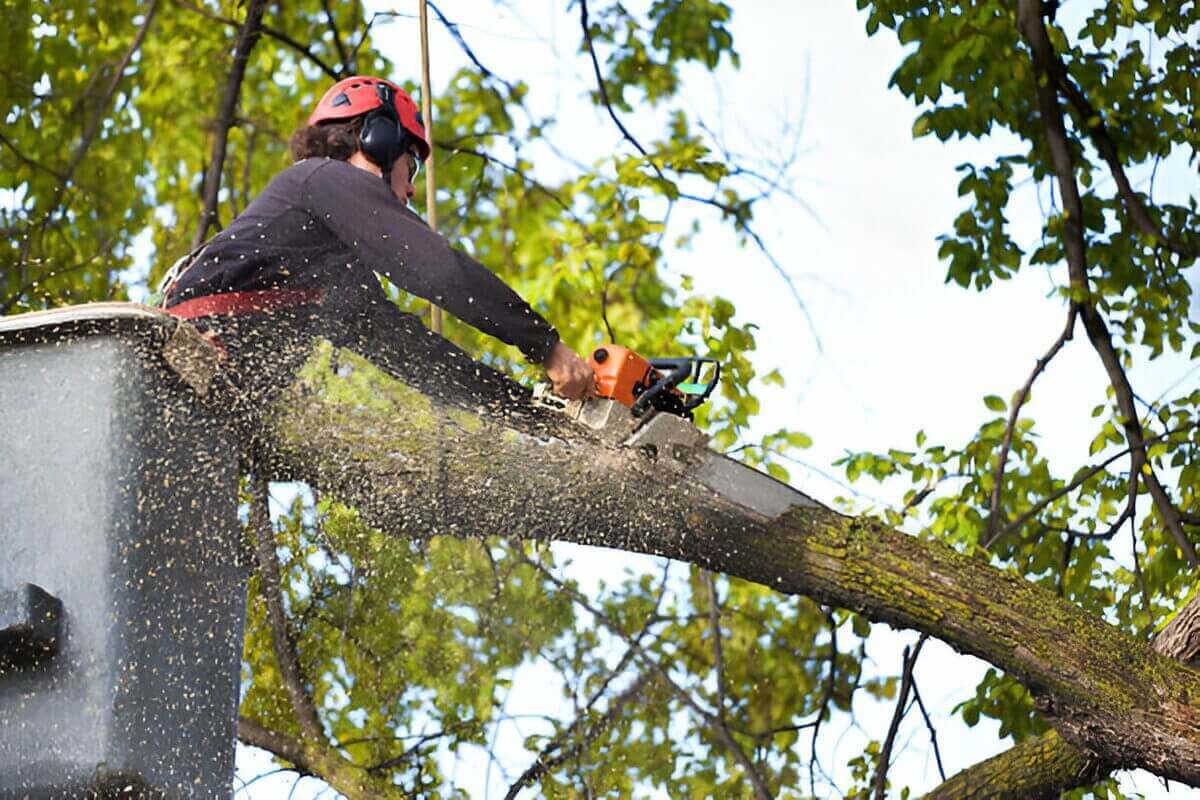

Finding the best tree loppers near me is a priority for many Sydney homeowners facing overgrown branches or hazardous leaning trees. However, in 2026, the distinction between a “lopper” and a professional arborist has never been more critical. While a quick search might yield dozens of local options, the risks associated with unqualified tree work—ranging from property damage to severe legal liabilities—are substantial.
In the complex urban landscape of Sydney, professional tree care is no longer just about aesthetics. It is about risk management, environmental compliance, and long-term property value. This guide explores why choosing a licensed professional with $20 million public liability insurance is the only way to ensure your home and family remain protected.
See more: Arborist Wahroonga Guide: Why Tree Preservation Matters in Bushfire-Prone Zones
Understanding Tree Lopping vs. Professional Arboriculture
To the untrained eye, cutting a tree seems straightforward. However, the industry makes a sharp distinction between “tree lopping” and “arboriculture.”
What is Tree Lopping?
Tree lopping generally refers to the indiscriminate cutting of tree branches or stems. It often involves “topping,” which is the practice of removing the top of the tree to reduce its height. While this provides a quick fix for a view or a perceived hazard, it often leads to:
- Weak Regrowth: Epicormic shoots grow back faster but are weakly attached.
- Tree Stress: Removing too much canopy starves the tree of energy.
- Disease: Large, ragged cuts become entry points for pests and fungi.
What is a Professional Arborist?
A professional Sydney arborist is trained in the science of tree care. They follow Australian Standard AS 4373-2007 (Pruning of Amenity Trees). Their goal is to maintain the structural integrity and health of the tree while mitigating risk to the surrounding environment.
The Critical Importance of $20 Million Public Liability Insurance
When searching for “tree loppers near me,” the most important question you can ask is: “Are you insured for $20 million?”
In 2026, this has become the industry benchmark for high-quality Sydney tree services. Here is why this specific figure matters:
1. High-Density Living Risks
Sydney’s residential areas often feature homes in close proximity to power lines, neighbors’ fences, and swimming pools. If a heavy limb falls incorrectly, the damage can easily exceed six figures.
2. Personal Injury Coverage
Tree work is statistically one of the most dangerous professions. If an uninsured worker is injured on your property, you, as the homeowner, could be held liable for their medical expenses and lost wages. A $20 million policy ensures the contractor’s insurance handles these catastrophic costs.
3. Protection Against Underground Utilities
Modern Sydney homes are connected via complex underground networks of fiber optics, gas, and water. A professional arborist carries insurance that covers “vicarious liability,” protecting you if a stump grinding operation accidentally hits a utility main.
Benefits of Hiring a Licensed Sydney Arborist
Hiring a certified professional provides more than just peace of mind; it offers tangible benefits for your property.
Precision and Specialized Equipment
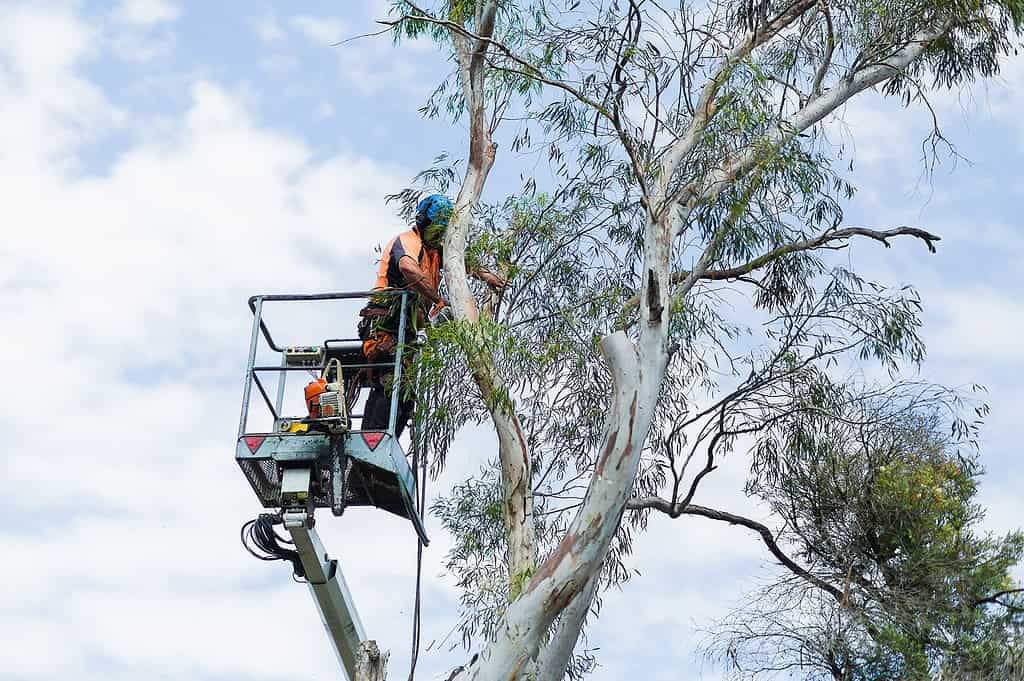
Licensed arborists use high-tech equipment including spider lifts, wood chippers, and stump grinders designed to work in tight urban spaces without damaging your lawn or driveway.
Compliance with Local Council Regulations
Every Sydney council (from the Northern Beaches to the Inner West) has specific Tree Preservation Orders (TPOs). Removing or significantly pruning a tree without a permit can result in fines exceeding $100,000. A professional arborist understands these local laws and can assist with the permit application process.
Enhanced Property Value
Healthy, well-maintained trees can add up to 10% to 15% to a property’s market value. Conversely, a hacked, dying tree is a liability that buyers will negotiate against.
The Step-by-Step Professional Tree Removal Process
If you have identified a hazardous tree, here is the standard framework a professional team will follow:
- Site Inspection & Hazard Assessment: Identifying targets (houses, power lines) and assessing the tree’s lean and structural integrity.
- Permit Verification: Ensuring all Sydney council approvals are in place.
- Rigging Setup: Using ropes and pulleys to lower large sections of the tree safely to the ground.
- Controlled Felling or Sectioning: Dismantling the tree piece by piece.
- Debris Management: Mulching branches on-site and removing the trunk.
- Stump Grinding: Removing the stump below ground level to prevent regrowth and tripping hazards.
Common Mistakes When Choosing “Tree Loppers Near Me”
Avoid these frequent pitfalls to ensure your project goes smoothly:
- Chasing the Lowest Quote: A significantly lower price usually means the contractor is cutting corners on insurance, safety gear, or staff training.
- Ignoring Online Reviews: Check for recent, local Sydney reviews that mention professionalism and cleanup.
- Accepting Verbal Agreements: Always demand a written quote that specifies the scope of work, total cost, and insurance details.
- Not Checking Qualifications: In Australia, look for a minimum Certificate III in Arboriculture.
Tree Care Best Practices for Sydney Homeowners
To minimize the need for emergency lopping, follow these maintenance tips:
- Annual Inspections: Have an arborist check your trees before the summer storm season.
- Mulching: Apply organic mulch around the base of your trees to retain moisture during Sydney’s hot spells.
- Proper Watering: Deep, infrequent watering is better for root health than light, daily sprinkling.
- Avoid Root Damage: Never park heavy vehicles or store construction materials under the “drip line” of a tree.
FAQ: Hiring Tree Services in Sydney
1. Do I need council permission to prune a tree in Sydney?
In most cases, yes. While some “exempt” species exist, most Sydney councils require a permit for pruning more than 10-15% of a tree’s canopy. A licensed arborist can confirm your local TPO rules.
2. How much does tree removal cost in Sydney in 2026?
Costs vary based on tree size, location, and accessibility. On average, small trees start at $500, while large, complex removals can range from $2,500 to $8,000+.
3. Why is $20 million the standard for insurance?
Many commercial contracts and local government bodies now require $20 million as a minimum to cover the extreme costs associated with modern litigation and high-value property damage.
4. Can I prune a tree that is overhanging from my neighbor’s yard?
Under NSW law, you can usually prune branches back to your property line, but you must not damage the health of the tree or trespass. It is always best to consult an arborist to ensure the cut is legal and safe.
5. What is the best time of year for tree pruning?
While emergency work happens year-round, late winter is often ideal for many Sydney species, as trees are dormant and wounds heal faster in the spring.
Conclusion: Make the Safe Choice for Your Sydney Property
When looking for the best tree loppers near me, remember that the cheapest option is rarely the safest. In 2026, the complexity of Sydney’s urban environment demands a higher standard of care. By choosing a licensed arborist with $20 million public liability insurance, you are protecting your home, your financial security, and the health of the local ecosystem.
Proper tree maintenance is an investment, not an expense. Ensure your trees remain an asset to your property rather than a hazard.
Would you like me to generate a list of internal linking opportunities or create a custom schema markup for this article?
Internal Linking & Authority Suggestions
Internal Linking (Anchor Text Suggestions):
- Sydney tree removal services
- Emergency tree work Sydney
- Arborist report for council
- Stump grinding benefits
- Hedge trimming Sydney
Authoritative External References:
- Standards Australia: Search for “AS 4373-2007 Pruning of Amenity Trees” to understand the national requirements for tree care.
- NSW Land and Environment Court: Reference their “Trees (Disputes Between Neighbours) Act 2006” for legal guidance on boundary tree issues.