ours journey 1024x427.jpg

Category: Tree Management

Pymble tree services

Why an Arborist Pymble Is Essential for Heritage Tree Management

What Does an Arborist Do in Heritage Tree Management?

An arborist is a certified tree care specialist trained in the science and practice of planting, maintaining, and diagnosing trees. In heritage tree management, arborists serve as guardians who combine technical expertise with deep understanding of tree biology to ensure these valuable specimens receive appropriate care.

Heritage trees in Pymble represent living connections to the area’s past. These mature specimens—often native eucalypts, figs, or historically significant plantings—contribute to the suburb’s distinctive character. They provide shade along residential streets, support local wildlife, and stand as witnesses to generations of community development. Many have been formally recognized for their age, size, botanical rarity, or association with significant events. Engaging Pymble tree services is often essential to ensure these remarkable trees receive the care they require.

Professional management becomes essential when dealing with these irreplaceable assets. Unlike standard trees, heritage specimens require specialized assessment techniques and careful intervention strategies. An arborist Pymble brings qualifications that enable them to:

  • Evaluate complex structural issues in aging trees
  • Recommend treatments that extend tree lifespan without compromising safety
  • Navigate the regulatory framework protecting these specimens
  • Balance preservation goals with practical safety concerns

Without professional oversight, well-intentioned but improper care can accelerate decline or create hazardous conditions. The importance of Pymble tree services lies in their ability to make informed decisions that honor both the tree’s historical significance and the community’s safety needs.

How Do Arborists Assess the Condition of Heritage Trees?

Arborists conduct comprehensive tree assessments using standardized methodologies to evaluate every aspect of a heritage tree’s condition. The Visual Tree Assessment (VTA) method serves as the primary diagnostic tool, allowing certified professionals to systematically examine trees from ground level to canopy.

During a tree health evaluation, arborists document critical factors:

  • Species identification and verification against heritage registers
  • Age estimation through trunk diameter measurements and historical records
  • Health indicators including foliage density, leaf color, and seasonal growth patterns
  • Structural integrity assessment of trunk, branches, and root systems

The process involves detecting signs of stress, disease, or decay that may not be immediately visible to untrained observers. Arborists examine bark texture for abnormalities, check for fungal growth indicating internal rot, and assess branch attachment points for structural weaknesses. They measure trunk circumference at standard heights and document any cavities, wounds, or previous pruning work.

Expert knowledge proves invaluable when diagnosing complex conditions. A qualified arborist recognizes subtle symptoms like premature leaf drop or unusual bark shedding that signal underlying problems. They understand how different species respond to environmental stressors and can distinguish between natural aging processes and concerning deterioration. This specialized expertise enables accurate risk prediction and appropriate intervention recommendations tailored to each heritage tree’s unique circumstances.

What Local Regulations Do Arborists Help Clients Comply With When Working on Heritage Trees?

Heritage trees in Pymble are protected by various laws that property owners must follow before doing any work on them. These regulations include:

  1. State Environmental Planning Policy (SEPP): This policy sets minimum protections for important vegetation, including heritage trees.
  2. Local Government Act 1993: This law gives councils the power to create tree preservation orders for trees that have historical or environmental value.
  3. Biodiversity Conservation Act 2016: This act adds another level of protection, especially when heritage trees serve as homes for native species or contribute to ecological corridors.

The Role of Arborists in Navigating Heritage Tree Regulations

Arborists play a crucial role in helping clients understand and comply with these complex regulations. Here’s how they do it:

  1. Interpreting Legal Requirements: Arborists take the legal language of these regulations and translate it into practical action plans that property owners can follow.
  2. Determining Applicable Frameworks: They assess each heritage tree individually, considering factors such as its species, location, and conservation status to determine which specific laws apply.
  3. Preventing Costly Mistakes: By having this expertise, arborists can help clients avoid expensive errors. If work is done on protected trees without permission, it can lead to hefty fines—over $1 million for individuals and even higher penalties for corporations.

The Importance of Detailed Documentation

When applying for permits to carry out work on heritage trees, detailed documentation is often required. Arborists are skilled at preparing these documents, which typically include:

  • Tree condition reports: These reports provide an assessment of the health and condition of the tree, supported by photographs.
  • Impact assessments: Arborists justify the proposed work by explaining its potential effects on the tree and surrounding environment.
  • Alternative solutions: They demonstrate their commitment to minimizing disturbance by presenting alternative approaches that require less intervention.
  • Replacement planting plans: In cases where removal becomes unavoidable, arborists outline plans for replacing the removed tree with new plantings.

Building Relationships with Council Officers

Navigating local approval processes can sometimes be lengthy and bureaucratic. However, arborists have established relationships with council officers, which helps streamline this process. They understand the specific timelines and requirements set by local authorities, ensuring that applications are submitted correctly and promptly.

By involving arborists in heritage tree projects, clients can ensure compliance with SEPP while also protecting themselves from legal issues that may arise due to unintentional but improperly executed tree care practices.

Why Is It Important to Preserve Both the Cultural Heritage and Ecological Value of Heritage Trees?

Heritage trees are important for two main reasons: they represent our history and they benefit the environment.

The Cultural Significance of Heritage Trees

Heritage trees have stories to tell. They can be witnesses to historical events, memorials for influential individuals, or symbols of unique plant species that shaped our surroundings. These mature trees hold a special place in the hearts of Pymble residents, connecting them to their community’s past.

The Environmental Benefits of Heritage Trees

But heritage trees offer more than just cultural significance. They also provide invaluable ecological advantages that newer trees cannot match for many years. Here are some ways in which these ancient giants contribute to our environment:

  • Carbon Sequestration: Heritage trees absorb carbon dioxide from the atmosphere, helping combat climate change. This process is crucial for achieving climate-smart mitigation activities and preserving our planet.
  • Habitat Provision: They serve as homes and nesting sites for various native wildlife species, promoting biodiversity.
  • Microclimate Regulation: Mature trees create cool microclimates beneath their canopy, influencing temperature and humidity levels in their vicinity.

These environmental benefits are crucial for maintaining a healthy ecosystem and combating urban heat island effects.

Pymble tree services

How Arborists Help Preserve Both Cultural Heritage and Ecological Value

To ensure the preservation of both cultural heritage and ecological value associated with heritage trees, arborists play a vital role. Here’s how they contribute:

Customized Tree Preservation Practices

Arborists develop tailored preservation strategies that consider both aspects of significance—cultural heritage and ecology. Here are some practices they may implement:

  1. Soil Assessment: Understanding soil conditions is essential for promoting healthy tree growth. Arborists conduct soil tests to determine nutrient levels and pH balance.
  2. Nutrient Programs: Based on soil assessments, arborists design targeted nutrient programs to address any deficiencies or imbalances.
  3. Pruning Schedules: Regular pruning is necessary to maintain structural integrity and prevent hazards. However, it should be done carefully so as not to alter the historical form of the tree.

Specialized Care for Declining Cultural Heritage Trees

For cultural heritage trees showing signs of decline due to age or other factors, specialized care may be required. Here are some techniques specialists might recommend:

  • Cabling Systems: Installing cables can provide support to weak branches or trunks, preventing breakage while preserving aesthetic qualities.
  • Root Zone Protection Measures: Protecting the area around a tree’s roots is crucial for its overall health. This may involve avoiding construction activities or using specific materials during nearby development projects.

Balancing Progress with Preservation

Construction activities often pose risks to heritage trees’ survival and their associated values. To mitigate these threats, collaboration between arborists, builders, and other stakeholders is essential.

Establishing Protection Zones

Arborists establish protection zones around tree root systems during construction projects. These zones act as buffer areas where no heavy machinery or excavation work should take place.

Monitoring Soil Compaction Levels

Excessive soil compaction can harm tree roots by restricting oxygen flow and water absorption.

What Risk Management Strategies Do Arborists Use to Keep Heritage Trees Safe and Healthy?

Tree risk assessment is the first step in protecting heritage trees and keeping people safe. Arborists carefully inspect trees for signs of problems like disease, decay, damaged roots, and weak structures that could cause branches to break or the whole tree to fall.

Identifying Hazards

During their inspections, arborists pay close attention to:

  • The crown structure of the tree, looking for any dead, dying, or poorly attached limbs
  • The integrity of the trunk, checking for splits, cracks, or fungal growth
  • The condition of the root systems, looking for signs of rot, girdling, or compacted soil
  • Any lean angles that may indicate potential instability

Creating Intervention Plans

When arborists find risks, they come up with specific plans to address them. Here are some common strategies they use:

  1. Pruning dangerous branches: This involves removing branches that pose an immediate threat while still preserving the tree’s natural shape and historical significance.
  2. Removing deadwood: By getting rid of brittle limbs that are likely to break during storms or strong winds, arborists can prevent accidents from happening.
  3. Installing cables and braces: These support systems help strengthen weak joints or heavy branches without altering the tree’s appearance.

Preventing Small Issues from Becoming Big Problems

To avoid small problems turning into emergencies, arborists establish regular monitoring schedules. After severe weather events, they conduct inspections to quickly identify any new damage and protect both the tree and nearby property.

Keeping Records for Long-Term Preservation

Arborists make sure to document all their findings and recommendations during inspections. This creates a detailed history of risk management actions taken on each tree. Such records are valuable for making long-term preservation decisions and fulfilling insurance and liability obligations for property owners.

Moreover, the care and protection of big important trees is crucial in ensuring their longevity and health. This involves not only addressing immediate risks but also implementing strategies for ongoing maintenance and preservation.

How Can Arborists Support Development Projects While Still Protecting Heritage Trees?

Arborists conduct development impact assessments to evaluate how construction activities might affect heritage trees before work begins. During projects like the Pymble Station Upgrade, they examine root zones, canopy spread, and soil conditions to determine which trees face the greatest risk from excavation, machinery movement, or structural changes. These assessments identify specific vulnerabilities and establish clear boundaries for construction activities.

Tree protection plans form the backbone of heritage tree preservation during development. Arborists design customized protection strategies that include:

  • Installing physical barriers around root protection zones
  • Specifying exclusion areas where machinery cannot operate
  • Scheduling construction phases to minimize stress during critical growth periods
  • Monitoring soil compaction and implementing remediation measures
  • Providing ongoing supervision throughout the construction timeline

The challenge lies in meeting urban development requirements without compromising tree health. Arborists work directly with engineers, architects, and project managers to modify construction methods when standard approaches threaten heritage trees. They might recommend alternative foundation designs, adjusted access routes, or specialized equipment that reduces ground pressure. This collaborative approach ensures infrastructure projects proceed while maintaining the ecological and cultural assets that define Pymble’s character. Arborists serve as advocates for heritage trees, translating their biological needs into practical construction constraints that development teams can implement.

What Specialized Services Do Arborists Provide Specifically for the Care of Heritage Trees?

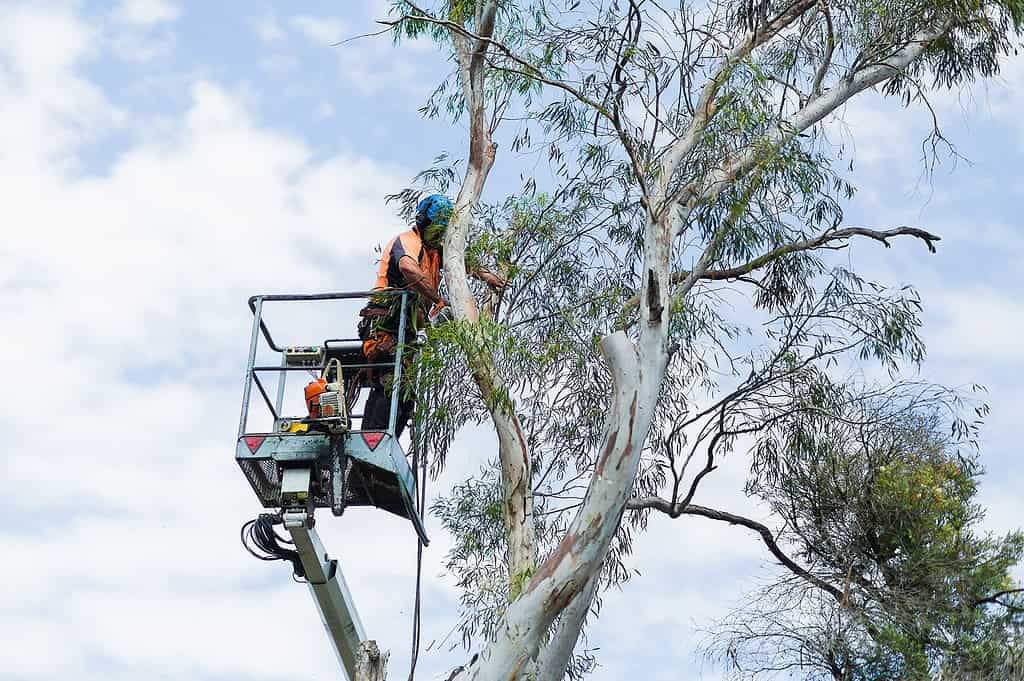
Pruning services are the most important part of taking care of heritage trees. Arborists use specific methods that respect the tree’s natural shape while getting rid of deadwood and sick branches. Certified experts know how to work carefully with older trees, making cuts that help the tree heal instead of creating openings for diseases.

Heritage trees need special care that goes beyond regular maintenance:

  • Crown thinning and reduction to manage weight distribution in aging limbs
  • Structural pruning to address weak branch unions before they become hazards
  • Deadwooding to eliminate brittle branches that pose safety risks during storms
  • Stump grinding following necessary removals, preserving soil integrity for nearby heritage specimens

After severe weather events damage heritage trees, emergency tree removal services become crucial. Arborists quickly respond to assess storm damage, stabilize partially fallen trees, and decide whether restoration or removal offers the best outcome for the specimen’s survival.

Long-term preservation consulting addresses Pymble’s specific environmental conditions, including soil composition, rainfall patterns, and native pest pressures. Arborists develop customized management plans that account for each heritage tree’s unique characteristics, recommending soil amendments, pest management protocols, and monitoring schedules. This proactive approach identifies subtle changes in tree health before they escalate into serious problems.

Moreover, understanding the nuances of pruning techniques such as crown cleaning vs thinning can significantly enhance the effectiveness of these specialized services. Such knowledge explains why an arborist Pymble is essential for heritage tree management.

How Arborists Contribute to Community Well-Being and Environmental Sustainability Through Their Work on Heritage Trees

Arborists enhance Pymble’s visual appeal by maintaining heritage trees that define the suburb’s character and create inviting public spaces. Well-maintained mature trees provide shade, reduce urban heat, and create natural landmarks that residents value. These trees transform streetscapes and parks into aesthetically pleasing environments that increase property values and foster community pride.

Supporting Biodiversity through Urban Canopy Cover

Heritage tree preservation directly supports urban canopy cover support biodiversity by protecting habitats for native wildlife. Mature trees provide nesting sites for birds, shelter for possums, and food sources for insects and pollinators. Arborists identify which native species require protection and implement care strategies that maximize ecological benefits while maintaining tree health. Click here to get why tree preservation matters in bushfire-prone zones.

Amplifying Impact through Collaborative Efforts

Collaborative efforts amplify the impact of heritage tree management:

  • Council partnerships ensure alignment with urban planning and environmental policies
  • Landscaper coordination integrates heritage trees into broader garden designs
  • Real estate consultations help property developers understand tree protection requirements
  • Resident education promotes awareness about the value of preserving mature trees

Bridging Stakeholders for Effective Tree Care

Arborists serve as bridges between different stakeholders, translating technical tree care knowledge into actionable practices. They guide homeowners on proper watering techniques, advise builders on root protection zones, and help councils develop tree management strategies. This multi-stakeholder approach creates a culture of environmental stewardship that extends beyond individual properties to benefit the entire Pymble community.

Pymble tree services

Why Should You Hire an Arborist for Your Heritage Tree Management Needs in Pymble?

Responsible heritage tree management requires specialized knowledge and professional oversight. An arborist brings the technical expertise needed to assess tree health, structural integrity, and potential risks using standardized methods that protect both the tree and surrounding property.

The importance of hiring an arborist in Pymble for managing heritage trees becomes clear when you consider the regulations involved. These professionals are skilled at navigating complex local government policies, environmental laws, and permit requirements. By doing so, they ensure that your tree care activities remain compliant with SEPP regulations and the Biodiversity Conservation Act 2016.

What sets qualified arborists apart is their combination of strategies for reducing risks and preserving these trees. They are able to identify potential dangers such as diseases or structural weaknesses before they escalate into serious problems. At the same time, they implement care practices that prolong the lifespan of these culturally significant trees. This ability to strike a balance between development needs and conservation goals proves invaluable during construction projects or infrastructure upgrades.

By hiring a certified arborist, you are not only protecting your investment in Pymble’s natural heritage but also safeguarding your property and community for future generations.

See Also: Rodent control sydney: the most effective solutions for urban properties

tree service near me

Arborist Wahroonga Guide: Why Tree Preservation Matters in Bushfire-Prone Zones

What Do Arborists Do to Manage Tree Preservation and Bushfire Risk in Wahroonga?

Arborists in Wahroonga are important advisors who assist residents in dealing with the complicated issues of tree preservation and bushfire risk management. Wahroonga, located on Sydney’s Upper North Shore, is in an area prone to bushfires where eucalyptus forests meet residential properties. This creates unique challenges for homeowners.

The conflict between protecting homes and preserving the natural environment requires specialized knowledge. Professional arborists have the expertise to identify which trees pose real fire risks and which ones can safely stay. They evaluate the health of trees, how flammable the species is, and how close they are to structures in order to create management plans tailored to each site.

Here are some of the main tasks that Wahroonga arborist do for residents in Wahroonga:

  1. Conducting thorough assessments of vegetation to find hazardous trees and branches
  2. Providing advice on compliant clearing according to the 10/50 Code set by the NSW Rural Fire Service
  3. Carrying out strategic pruning to reduce fuel loads while keeping trees healthy
  4. Making sure all work follows Australian Standard AS 4373-2007 for tree pruning
  5. Understanding Tree Preservation Orders and regulations set by the local council

These professionals know that clearing everything will harm ecosystems and increase erosion risks on Wahroonga’s sloped land. Their main focus is to create defensible space around homes without harming the environmental values that make this area attractive. By carefully planning and carrying out their work, arborists assist residents in achieving both safety and sustainability when it comes to managing bushfire risks.

How Do Trees Contribute to Bushfire Risks in Wahroonga?

Trees and vegetation serve as fuel sources that can amplify the spread of bushfires and heighten the risk of property damage. When bushfires break out, they consume any organic material in sight—such as leaves, bark, branches, and even entire tree canopies—generating intense heat that can ignite nearby buildings and cause flames to spread across the landscape.

The bushfire risks faced by Wahroonga residents arise from various vegetation-related factors:

  1. Dead and dying trees pose the greatest danger. These standing or fallen trees contain dry, brittle wood that catches fire quickly and burns at extremely high temperatures. Their unstable structure means they can collapse during fires, scattering embers over larger areas.
  2. Dry grass and ground-level vegetation create continuous fuel beds that enable fire to move swiftly between ignition points. During Wahroonga’s hot, dry summers, this undergrowth becomes especially volatile, requiring very little heat to catch fire.
  3. Overgrown shrubs located near homes act as “fuel ladders”—vertical pathways that carry ground fires up into tree canopies and building structures. Dense shrub growth within 10 meters of houses creates direct routes for flames to reach walls, windows, and roofs.
  4. Accumulated leaf litter and bark debris beneath trees worsen these risks by providing easily ignitable material. Eucalyptus species commonly found in Wahroonga shed strips of bark and oil-rich leaves that can ignite from airborne embers, sometimes hours before the main fire front arrives.

What Are the Key Vegetation Clearing Regulations Set by the NSW Rural Fire Service?

The NSW Rural Fire Service provides specific vegetation clearing regulations through the 10/50 Vegetation Clearing Code, designed to reduce bushfire fuel loads around residential properties. This code allows property owners to clear vegetation within designated distances from their homes without requiring approval, streamlining the process of creating defensible space during bushfire season.

Under this framework, residents can remove:

  • Trees within 10 meters of their dwelling
  • Shrubs and undergrowth within 50 meters of their dwelling

The code applies to properties mapped within bushfire-prone land, giving homeowners direct control over immediate fire risk reduction. Property owners must verify their eligibility through the NSW Rural Fire Service’s online mapping tool before undertaking any clearing work.

However, protected areas remain off-limits to clearing, even under the 10/50 code. These restrictions safeguard environmentally sensitive locations:

  • Slopes exceeding 18 degrees gradient
  • Areas containing Aboriginal cultural heritage sites
  • Land designated as critical habitat for threatened species
  • Trees marked with Tree Preservation Orders

Clearing in these protected zones requires formal approval from local councils or the Rural Fire Service. Unauthorized removal can result in substantial penalties and damage to critical ecosystems that support Wahroonga’s biodiversity.

It’s important to note that certain areas such as riparian zones along waterways and wetlands are also protected under these regulations. These zones are vital for maintaining water quality and supporting diverse wildlife.

Furthermore, specific types of land are recognized for their biodiversity values, as indicated in the types land biodiversity values map. This includes areas that may not be immediately obvious but play a crucial role in our ecosystem.

Why Is Tree Preservation Still Important in Bushfire-Prone Zones Like Wahroonga?

Tree preservation benefits go beyond just looking nice. They are crucial for local ecosystems, even in areas prone to fires. Mature trees are home to native wildlife such as possums, birds, and insects that rely on tree hollows, bark, and canopy cover for shelter and breeding. When too many trees are cut down, it disrupts these biodiversity habitat protection networks, leading to a decline in species and an ecological imbalance that may take decades to fix.

Preventing Erosion and Maintaining Stability

The root systems of established trees act as natural anchors in Wahroonga’s hilly terrain. These networks hold soil particles together, preventing erosion during heavy rainfall and keeping slopes stable. When trees are removed carelessly, exposed soil becomes vulnerable to:

  • Sheet erosion: This occurs when water flows over the ground and washes away topsoil layers.
  • Gully formation: This happens when water cuts into the land and creates channels or grooves.
  • Landslip risks: On steep slopes, the removal of trees can increase the chances of landslides.
  • Sediment pollution: When soil is eroded, it can end up in nearby waterways, causing pollution.

Fire Safety Through Strategic Tree Retention

Healthy native trees with low-flammability characteristics—such as smooth-barked eucalypts and rainforest species—can still exist within Asset Protection Zones if they are properly maintained. Their canopy provides shade that lowers the temperature of ground-level fuel and reduces moisture loss, creating microclimates that slow down fire progression. By strategically keeping these trees, residents can ensure fire safety while also preserving the environmental services that make Wahroonga’s bushland valuable for both present residents and future generations.

How Can Residents Balance Asset Protection Zones (APZ) With Tree Preservation Efforts?

What exactly is an Asset Protection Zone APZ and how does it work?

An Asset Protection Zone (APZ) creates a defensible buffer around homes by reducing fuel loads that feed bushfires. This zone typically extends from the building’s exterior walls and requires careful management of vegetation to slow fire progression while maintaining ember attack protection.

Which vegetation should residents remove versus preserve?

Priority removals include:

  • Dead or dying trees that pose immediate fire hazards
  • Dry grass and leaf litter accumulation near structures
  • Overgrown shrubs touching or within 2 meters of buildings
  • Low-hanging branches creating fire ladders to canopies

Vegetation worth preserving:

  • Healthy native trees positioned at safe distances from structures
  • Species with low flammability characteristics like eucalypts with minimal bark shedding
  • Trees providing critical erosion control on slopes
  • Specimens contributing to local biodiversity corridors
Wahroonga arborist

How do effective vegetation management strategies maintain this balance?

Strategic pruning raises canopy heights to prevent ground fires from reaching treetops. Regular maintenance removes dead wood while keeping established root systems intact for soil stability. Professional arborists assess individual tree health and positioning to determine which specimens enhance fire resistance rather than compromise it. This targeted approach reduces fuel loads without creating barren landscapes that increase erosion risk and diminish ecological value.

Tree Preservation Orders (TPO) are legal protections that prevent the removal or damage of specific trees and vegetation without council approval. These orders are enforced by the Ku-ring-gai Council across protected zones in Wahroonga, particularly for trees that hold significant ecological, heritage, or aesthetic value.

Local laws mandate that residents must obtain written consent before removing, pruning, or damaging protected trees. This rule applies even when managing vegetation for bushfire risk reduction. It’s important to note that the 10/50 Vegetation Clearing Code does not override TPOs. Consequently, residents cannot automatically clear protected trees within the 10-meter zone without first consulting council regulations.

Protected categories typically include:

  • Trees with trunk diameters exceeding specified measurements
  • Native species listed as significant vegetation
  • Trees located in environmentally sensitive areas
  • Heritage-listed trees or those contributing to streetscape character

Penalties for unauthorized removal can reach thousands of dollars, and there may be additional requirements to replant or compensate for ecological loss. Therefore, residents planning vegetation management should consult council records to identify any protected trees on their property before initiating any clearing work.

For those with trees on private land, it’s essential to understand the specific regulations that apply. Professional arborists who are familiar with local regulations can assess whether proposed clearing complies with both bushfire safety requirements and TPO restrictions. They can also provide documentation supporting removal applications when trees pose genuine safety risks, assisting residents in navigating the legal framework while maintaining fire protection standards around their homes.

How Can Strategic Tree Management Enhance Community Safety From Bushfires In Wahroonga?

Strategic tree management directly reduces community safety bushfires risks by targeting high-risk vegetation while maintaining ecological balance. Selective clearing of dead trees, dry undergrowth, and flammable leaf litter creates defensible spaces around homes without eliminating entire tree populations.

Lowering Fuel Loads

Lowering fuel loads through targeted removal achieves measurable fire risk reduction. Dense vegetation acts as a continuous fuel source, allowing flames to spread rapidly between trees and structures. By removing ladder fuels—vegetation that allows fire to climb from ground level into tree canopies—residents interrupt the vertical fire spread pathway. This strategic tree management approach focuses on:

  1. Spacing healthy trees appropriately
  2. Removing lower branches
  3. Clearing combustible material from beneath canopies

Preserving Mature Native Trees

The dual benefit approach preserves mature native trees with low flammability characteristics while eliminating high-risk vegetation. Eucalyptus trees, when properly maintained with cleared understory and adequate spacing, pose less threat than dense shrubland. These preserved trees continue supporting wildlife corridors, preventing soil erosion on Wahroonga’s sloped terrain, and maintaining air quality.

Professional Arborist Assessment

Professional arborists assess individual tree health, species flammability, and positioning relative to structures. They identify which specimens warrant preservation based on fire-resistant qualities and ecological value. This targeted methodology protects both property and environment, demonstrating that effective bushfire preparation doesn’t require wholesale vegetation removal. The Arborist Wahroonga Guide: Why Tree Preservation Matters in Bushfire-Prone Zones emphasizes this balanced methodology as essential for long-term community resilience.

Wahroonga arborist

Conclusion

Tree preservation in Wahroonga requires thoughtful decision-making that protects both homes and the environment. Residents who work with qualified arborists can develop vegetation management plans that reduce bushfire fuel loads without sacrificing the ecological benefits mature trees provide to the local landscape.

A balanced approach delivers multiple outcomes:

  • Reduced fire intensity through strategic clearing of high-risk vegetation
  • Maintained wildlife corridors and habitat zones
  • Preserved soil stability on slopes and near waterways
  • Enhanced property protection through properly designed Asset Protection Zones

The tree preservation summary Wahroonga residents need centers on informed choices rather than blanket clearing. Dead wood, dry undergrowth, and flammable debris near structures pose genuine threats during fire season. Healthy native trees with appropriate maintenance contribute to bushfire preparedness while sustaining the area’s natural character.

Professional arborists bridge the gap between regulatory compliance and environmental stewardship. Their expertise ensures vegetation management aligns with both NSW Rural Fire Service guidelines and local preservation requirements, creating safer communities without compromising Wahroonga’s bushland identity.

Powered by WordPress & Theme by Anders Norén