
ours journey 1024x427.jpg

Category: Tree Removal and Safety

arborist sydney

Arborist Sydney: How They Assess Tree Health And Risk

In Sydney, this matters because trees sit close to homes, power lines, footpaths, and neighbours. A small defect can become a big problem during storms, heatwaves, or heavy rain.

What does “tree health and risk” actually mean to an arborist?

An arborist Sydney professional looks at both tree health and risk. Tree health is the tree’s current condition and its capacity to keep growing normally, while risk is the chance a tree, or part of it, will fail and cause harm. When trees are assessed as posing a significant safety hazard or are no longer viable to retain, professional tree removal services may be recommended as part of responsible arboricultural management. https://treesdownunder.com.au/tree-removal.

They do not just ask “is it healthy?”. They ask “what could fail, how likely is it, and what would it hit?”.

How do they start an on-site tree health assessment?

They usually begin with a site walk-around and a 360-degree visual inspection. This helps them understand the tree’s context before focusing on specific defects.

They also note what the tree is overhanging, who uses the area, and what has changed recently, like construction, trenching, or soil level changes.

What can the canopy tell them about a tree’s condition?

The canopy is one of the fastest indicators of vitality. Sparse foliage, small leaves, dieback at branch tips, and uneven growth often signal stress.

They also look for dead wood, weak unions, and branches with heavy end-weight. In Sydney, sudden canopy thinning can also follow heat stress, drought, or root damage from nearby works.

What do they check on the trunk and bark?

The trunk reveals many structural issues. They look for cracks, splits, cavities, bulges, and areas where bark has sloughed off.

They also assess old pruning wounds, previous storm damage, and signs of internal decay. A trunk can look solid while being compromised inside, so they pay attention to subtle cues like seam-like ribs, hollow sounds, or fungal growth.

How do they assess the base and root zone for hidden problems?

Many tree failures begin below eye level. They check the root flare, buttress roots, and soil around the base for instability.

Common concerns include soil heave, new leaning, exposed roots, waterlogging, and compaction. They also look for recent excavation, driveway works, or new retaining walls that may have cut roots or changed drainage.

What signs of pests and diseases do they look for in Sydney?

They look for leaf spotting, abnormal shedding, borer holes, frass, sap bleeding, and canopy decline patterns that match common local issues. They also watch for fungal fruiting bodies, which can indicate decay.

Importantly, they focus on impact, not just presence. A tree can host pests or fungi without being high risk, but widespread symptoms plus structural defects change the picture.

How do they judge whether a branch is likely to fail?

They assess branch attachments, cracks, included bark, and the balance between branch length and diameter. Overextended branches and multiple stems with tight junctions are common risk points.

They also consider load factors. A branch over a driveway, a playground, or a roof is assessed more conservatively than one over open lawn.

What role do tree species and history play in their decision?

Species matters because different trees fail in different ways. Some are more prone to limb drop under heat stress, while others tolerate pruning poorly or decay faster after wounding.

They also factor in the tree’s history. A tree that has been topped, repeatedly lopped, or damaged by machinery often has weaker regrowth and a higher long-term failure risk.

How do they account for storms, wind exposure, and site conditions?

Risk is not just about the tree. It is also about the forces acting on it and the conditions around it.

They consider prevailing winds, slope, soil type, drainage, and whether the tree is sheltered or newly exposed. In Sydney, storms can follow long dry spells, so trees with compromised roots or decay can fail suddenly when rain softens the soil.

arborist sydney

How do they estimate “targets” and consequences if a tree fails?

A target is anything that could be hit, like a house, car, fence, powerline, or a frequently used footpath. Arborists consider both what could be struck and how often people are actually there.

This is why two similar trees can receive different recommendations. A defect over a quiet back corner is not assessed the same as the same defect over a busy entry path. Click here to read more about safe tree work.

When do they use tools or advanced testing instead of visual checks?

Visual assessment is often enough for routine decisions, but they may use tools when the defect is unclear or consequences are high. They might probe cavities, use mallets for sound changes, or measure trunk dimensions and lean.

For higher-value or higher-risk situations, advanced testing can include resistograph drilling or sonic tomography, usually when internal decay must be confirmed before deciding on major pruning or removal.

How do they turn observations into a clear risk rating?

They typically combine three elements: likelihood of failure, likelihood of impact, and severity of consequences. This keeps the assessment grounded and repeatable.

They also avoid treating risk as “safe” or “unsafe”. Most trees sit in the middle, where sensible pruning, monitoring, or site changes can reduce risk without removing the tree.

What recommendations do they usually give after the assessment?

Most recommendations aim to reduce risk while retaining the tree where possible. Common actions include deadwooding, selective pruning, weight reduction, and bracing in specific situations.

They may also recommend mulching, soil improvement, pest management, or irrigation changes when decline is linked to stress. If the tree is structurally unsound or decline is advanced, removal and replacement may be recommended.

How often do they recommend monitoring rather than immediate work?

Monitoring is common when defects exist but are not urgent, or when the tree is responding to treatment. They may suggest re-inspection after a storm season, after construction completes, or within 6 to 12 months depending on the issue.

This approach suits many Sydney properties where trees are valuable for shade and amenity, and where careful staged management is better than drastic action.

What should property owners prepare before booking an arborist in Sydney?

They should note any recent changes, such as renovations, trenching, new paving, or changes in watering. Photos showing how the canopy has changed over time can also help.

They should also be clear about their concerns, like falling branches, neighbour disputes, or shading. With that information, an arborist can focus the assessment and provide recommendations that are practical and defensible.

arborist sydney

What is the key takeaway about how arborists assess tree health and risk?

They assess tree health and risk by looking at structure, vitality, site conditions, and targets as one connected system. The best assessments are not about fear or blanket removal, but about understanding what is happening and choosing the lowest-impact step that meaningfully reduces risk. For practical guidance on selecting a reliable local provider, read how to choose a trusted tree service near you in Sydney.

For Sydney property owners, that usually means a clear inspection, a sensible plan, and knowing when to act now versus when to monitor.

FAQs (Frequently Asked Questions)

What does ‘tree health and risk’ mean to a Sydney arborist?

To a Sydney arborist, tree health refers to a tree’s current condition and its ability to continue growing normally. Risk is the likelihood that the tree or any part of it may fail and cause harm. They assess not just if the tree is healthy, but also what could fail, how likely it is, and what might be impacted.

How does a Sydney arborist conduct an on-site tree health assessment?

A Sydney arborist begins with a site walk-around and a 360-degree visual inspection to understand the tree’s context. They observe what the tree overhangs, who uses the area, and any recent changes like construction or soil level alterations before focusing on specific defects.

What indicators in the canopy help determine a tree’s condition?

The canopy reveals vitality through foliage density, leaf size, branch tip dieback, and growth patterns. Sparse foliage, small leaves, uneven growth, dead wood, weak unions, and heavy end-weight branches often signal stress due to factors like heat stress, drought, or root damage.

Why is assessing the trunk and bark important in evaluating tree health?

The trunk can show structural issues such as cracks, splits, cavities, bulges, bark loss, old pruning wounds, storm damage, and internal decay signs. Since internal problems may not be visible externally, subtle cues like hollow sounds or fungal growth are carefully checked.

They examine branch attachments for cracks or included bark and assess the balance between branch length and diameter. Overextended branches or tight multi-stem junctions are common risk points. The potential load is considered more critically if branches overhang driveways, playgrounds or roofs.

What role do site conditions and environmental factors play in assessing tree risk in Sydney?

Site conditions like prevailing winds, slope, soil type, drainage, and exposure influence risk assessment. In Sydney’s climate, storms following dry spells can cause sudden failures in trees with compromised roots or decay when soil softens after rain.

tree service near me

How To Choose A Trusted Tree Service Near Me In Sydney

A trusted tree service should protect people, property, and trees where possible. They should also explain what they are doing, why it is necessary, and what it will cost before any saw is started.

What does a “trusted” tree service in Sydney actually mean?

When searching for a tree service near me, a trusted provider is one that works legally, safely, and transparently. They use trained staff, proper equipment, and documented processes rather than shortcuts. If you want to understand how professional tree removal services operate with safety, compliance, and transparency, click here.

They should be able to show insurance, relevant qualifications, and a clear written quote. They will also discuss risk, access, and what happens to waste and stumps after the job.

Are they properly insured for tree work?

They should carry public liability insurance that specifically covers tree work, not just general gardening. If something goes wrong, the homeowner should not be left exposed.

They should be willing to provide a current certificate of currency. If they hesitate, change the subject, or cannot email it through quickly, that is usually a sign to keep looking.

Do they have the right qualifications and experience?

They should have trained arborists and climbers, not just labourers with chainsaws. In Sydney, good operators can usually point to recognised arboriculture training and strong on-the-job experience.

They should also be able to explain tree health, pruning standards, and risk in plain English. If they only talk about “cutting it back” without discussing structure or regrowth, they may be treating every job the same way.

Will they check council rules and approvals in your area?

They should ask about the suburb and council early, because Sydney tree rules vary widely. Some trees are protected by species, size, heritage overlays, or local development controls.

A trusted company will advise whether approval may be needed and what evidence helps, such as photos, arborist reports, or risk justifications. If they promise to “just do it” without mentioning council considerations, the homeowner could inherit the problem later.

Do they offer an on-site assessment rather than quoting blindly?

They should inspect the tree and site before locking in a price. Photos can help for a rough estimate, but proper quoting needs a look at access, lean, powerlines, targets, and drop zones.

On-site, they should ask practical questions about gate width, driveways, pets, neighbours, and timing. They should also flag anything that changes the plan, such as decay, deadwood, or unstable soil.

Is the quote clear, itemised, and in writing?

They should provide a written quote that states exactly what is included. That usually means the scope, number of trees, what pruning is being done, and what will be removed.

A strong quote also clarifies stump grinding, waste removal, woodchipping, log retention, and whether they will leave mulch. If it is vague, the homeowner may end up paying extra for “unexpected” steps that should have been discussed upfront.

Do they explain safety and risk management on the day?

They should describe how the site will be made safe, including exclusion zones and traffic or pedestrian control if required. Tree work can be unpredictable, so a safety-first approach matters.

They should also talk about how they manage nearby structures, fences, pools, and gardens. If the plan is simply “we’ll be careful”, that is not a plan.

tree service near me

Are they equipped for difficult access and tight Sydney blocks?

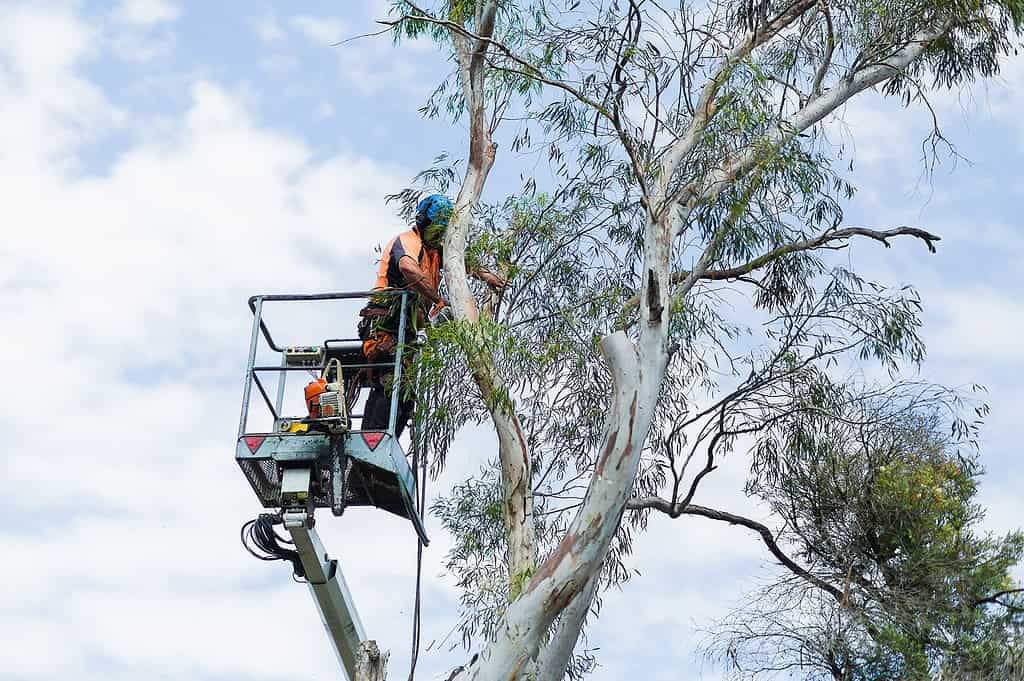
They should be used to Sydney’s narrow side paths, steep driveways, and tight urban backyards. The right gear, such as rigging systems, lowering devices, and chippers sized for access, reduces risk and damage.

They should also explain whether they will climb, use an elevated work platform, or bring in a crane, and why. A trusted provider chooses methods that match the tree and site, not just what is easiest for them. Learn how arborists in Sydney assess tree health and risk before recommending any pruning or removal work.

How can reviews and local reputation be checked properly?

They should have consistent feedback across more than one platform, not just a handful of perfect reviews. Homeowners should look for detail in comments about punctuality, clean-up, communication, and how issues were handled.

It also helps if they can share recent local jobs in nearby suburbs, with before-and-after photos. A reputable operator is usually proud of their work and can show it.

Do they handle waste removal and clean-up to a high standard?

They should clearly confirm what happens to branches, logs, and sawdust. Many disputes come from different expectations about “tidy” versus “fully removed”.

A trusted service typically rakes, blows down hard surfaces, and removes debris unless the homeowner requests otherwise. They should also clarify whether they will protect lawns and gardens from heavy equipment and repeated foot traffic. Visit https://www.safeworkaustralia.gov.au/taxonomy/term/27 to read more about plant, equipment and structures.

Can they spot when a tree should be pruned, not removed?

They should not push removal as the default option. Often, correct pruning, deadwood removal, or crown reduction is enough to reduce risk while keeping the tree healthy.

They should explain the trade-offs, including how the tree may respond over time. If they recommend removal without discussing alternatives, it may be because removal is easier to sell than careful pruning.

What red flags suggest they are not trustworthy?

They should not pressure homeowners into same-day decisions with vague scare tactics. They also should not offer cash-only deals that avoid paperwork.

Other common red flags include refusing to provide insurance documents, quoting far below everyone else without explanation, and dismissing council rules. Poor communication is another warning sign because tree work depends on clear planning and follow-through.

How should homeowners compare two or three tree services fairly?

They should compare quotes on scope and outcomes, not just price. One quote may include full removal and stump grinding, while another only includes cutting to ground level and leaving waste.

They should also compare professionalism: how clearly the company explains risk, how quickly they provide documentation, and whether they show up on time for the inspection. The best choice is usually the one that makes the process feel controlled and predictable.

tree service near me

What final checks help them book with confidence?

They should confirm the job date, start time, and who will be on site. They should also confirm access arrangements, parking needs, and whether neighbours should be notified.

Before work begins, they should ensure the written quote matches what was discussed, including clean-up and stump handling. If everything is clear in writing, the homeowner is far more likely to get a smooth, safe result.

FAQs (Frequently Asked Questions)

What defines a trusted tree service near me in Sydney?

A trusted tree service in Sydney operates legally, safely, and transparently. They employ trained staff, use proper equipment, hold relevant insurance and qualifications, provide clear written quotes, and communicate openly about risks, access, and waste disposal before starting any work.

How can I verify if a Sydney tree service is properly insured?

Ensure the tree service carries public liability insurance specifically covering tree work. They should willingly provide a current certificate of currency promptly. Hesitation or refusal to share insurance documents is a red flag indicating you should keep looking.

Why is it important for tree services to check local council rules in Sydney?

Sydney’s council regulations on trees vary widely by suburb, including protections based on species, size, heritage overlays, or development controls. A reputable company will inquire about your location early to advise if approvals are needed and help gather necessary evidence like photos or arborist reports to avoid future legal issues.

What should I expect from a professional on-site tree assessment?

A professional will inspect the tree and site before providing a firm quote. They’ll consider access, tree lean, powerlines, drop zones, and practical factors like gate width, driveways, pets, neighbours, and timing. They will also identify any conditions that might alter the plan such as decay or unstable soil.

How detailed should the written quote from a Sydney tree service be?

The quote should clearly itemise the scope of work including number of trees, pruning details, removal plans, stump grinding, waste removal methods, woodchipping options, log retention policies, and whether mulch will be left behind. Vague quotes risk unexpected extra costs later.

What are some red flags indicating an untrustworthy tree service in Sydney?

Beware of companies pressuring for immediate decisions with scare tactics, offering cash-only deals avoiding paperwork, refusing to provide insurance documents, quoting significantly lower prices without explanation, dismissing council regulations, or showing poor communication throughout the process.

tree service near me

Best Tree Loppers Near Me: Why Hire a Sydney Arborist in 2026

Finding the best tree loppers near me is a priority for many Sydney homeowners facing overgrown branches or hazardous leaning trees. However, in 2026, the distinction between a “lopper” and a professional arborist has never been more critical. While a quick search might yield dozens of local options, the risks associated with unqualified tree work—ranging from property damage to severe legal liabilities—are substantial.

In the complex urban landscape of Sydney, professional tree care is no longer just about aesthetics. It is about risk management, environmental compliance, and long-term property value. This guide explores why choosing a licensed professional with $20 million public liability insurance is the only way to ensure your home and family remain protected.

See more: Arborist Wahroonga Guide: Why Tree Preservation Matters in Bushfire-Prone Zones


Understanding Tree Lopping vs. Professional Arboriculture

To the untrained eye, cutting a tree seems straightforward. However, the industry makes a sharp distinction between “tree lopping” and “arboriculture.”

What is Tree Lopping?

Tree lopping generally refers to the indiscriminate cutting of tree branches or stems. It often involves “topping,” which is the practice of removing the top of the tree to reduce its height. While this provides a quick fix for a view or a perceived hazard, it often leads to:

  • Weak Regrowth: Epicormic shoots grow back faster but are weakly attached.
  • Tree Stress: Removing too much canopy starves the tree of energy.
  • Disease: Large, ragged cuts become entry points for pests and fungi.

What is a Professional Arborist?

A professional Sydney arborist is trained in the science of tree care. They follow Australian Standard AS 4373-2007 (Pruning of Amenity Trees). Their goal is to maintain the structural integrity and health of the tree while mitigating risk to the surrounding environment.


The Critical Importance of $20 Million Public Liability Insurance

When searching for “tree loppers near me,” the most important question you can ask is: “Are you insured for $20 million?”

In 2026, this has become the industry benchmark for high-quality Sydney tree services. Here is why this specific figure matters:

1. High-Density Living Risks

Sydney’s residential areas often feature homes in close proximity to power lines, neighbors’ fences, and swimming pools. If a heavy limb falls incorrectly, the damage can easily exceed six figures.

2. Personal Injury Coverage

Tree work is statistically one of the most dangerous professions. If an uninsured worker is injured on your property, you, as the homeowner, could be held liable for their medical expenses and lost wages. A $20 million policy ensures the contractor’s insurance handles these catastrophic costs.

3. Protection Against Underground Utilities

Modern Sydney homes are connected via complex underground networks of fiber optics, gas, and water. A professional arborist carries insurance that covers “vicarious liability,” protecting you if a stump grinding operation accidentally hits a utility main.


Benefits of Hiring a Licensed Sydney Arborist

Hiring a certified professional provides more than just peace of mind; it offers tangible benefits for your property.

Precision and Specialized Equipment

Licensed arborists use high-tech equipment including spider lifts, wood chippers, and stump grinders designed to work in tight urban spaces without damaging your lawn or driveway.

Compliance with Local Council Regulations

Every Sydney council (from the Northern Beaches to the Inner West) has specific Tree Preservation Orders (TPOs). Removing or significantly pruning a tree without a permit can result in fines exceeding $100,000. A professional arborist understands these local laws and can assist with the permit application process.

Enhanced Property Value

Healthy, well-maintained trees can add up to 10% to 15% to a property’s market value. Conversely, a hacked, dying tree is a liability that buyers will negotiate against.


The Step-by-Step Professional Tree Removal Process

If you have identified a hazardous tree, here is the standard framework a professional team will follow:

  1. Site Inspection & Hazard Assessment: Identifying targets (houses, power lines) and assessing the tree’s lean and structural integrity.
  2. Permit Verification: Ensuring all Sydney council approvals are in place.
  3. Rigging Setup: Using ropes and pulleys to lower large sections of the tree safely to the ground.
  4. Controlled Felling or Sectioning: Dismantling the tree piece by piece.
  5. Debris Management: Mulching branches on-site and removing the trunk.
  6. Stump Grinding: Removing the stump below ground level to prevent regrowth and tripping hazards.

Common Mistakes When Choosing “Tree Loppers Near Me”

Avoid these frequent pitfalls to ensure your project goes smoothly:

  • Chasing the Lowest Quote: A significantly lower price usually means the contractor is cutting corners on insurance, safety gear, or staff training.
  • Ignoring Online Reviews: Check for recent, local Sydney reviews that mention professionalism and cleanup.
  • Accepting Verbal Agreements: Always demand a written quote that specifies the scope of work, total cost, and insurance details.
  • Not Checking Qualifications: In Australia, look for a minimum Certificate III in Arboriculture.

Tree Care Best Practices for Sydney Homeowners

To minimize the need for emergency lopping, follow these maintenance tips:

  • Annual Inspections: Have an arborist check your trees before the summer storm season.
  • Mulching: Apply organic mulch around the base of your trees to retain moisture during Sydney’s hot spells.
  • Proper Watering: Deep, infrequent watering is better for root health than light, daily sprinkling.
  • Avoid Root Damage: Never park heavy vehicles or store construction materials under the “drip line” of a tree.
tree removal sydney

FAQ: Hiring Tree Services in Sydney

1. Do I need council permission to prune a tree in Sydney?

In most cases, yes. While some “exempt” species exist, most Sydney councils require a permit for pruning more than 10-15% of a tree’s canopy. A licensed arborist can confirm your local TPO rules.

2. How much does tree removal cost in Sydney in 2026?

Costs vary based on tree size, location, and accessibility. On average, small trees start at $500, while large, complex removals can range from $2,500 to $8,000+.

3. Why is $20 million the standard for insurance?

Many commercial contracts and local government bodies now require $20 million as a minimum to cover the extreme costs associated with modern litigation and high-value property damage.

4. Can I prune a tree that is overhanging from my neighbor’s yard?

Under NSW law, you can usually prune branches back to your property line, but you must not damage the health of the tree or trespass. It is always best to consult an arborist to ensure the cut is legal and safe.

5. What is the best time of year for tree pruning?

While emergency work happens year-round, late winter is often ideal for many Sydney species, as trees are dormant and wounds heal faster in the spring.


Conclusion: Make the Safe Choice for Your Sydney Property

When looking for the best tree loppers near me, remember that the cheapest option is rarely the safest. In 2026, the complexity of Sydney’s urban environment demands a higher standard of care. By choosing a licensed arborist with $20 million public liability insurance, you are protecting your home, your financial security, and the health of the local ecosystem.

Proper tree maintenance is an investment, not an expense. Ensure your trees remain an asset to your property rather than a hazard.

Would you like me to generate a list of internal linking opportunities or create a custom schema markup for this article?


Internal Linking & Authority Suggestions

Internal Linking (Anchor Text Suggestions):

  • Sydney tree removal services
  • Emergency tree work Sydney
  • Arborist report for council
  • Stump grinding benefits
  • Hedge trimming Sydney

Authoritative External References:

  • Standards Australia: Search for “AS 4373-2007 Pruning of Amenity Trees” to understand the national requirements for tree care.
  • NSW Land and Environment Court: Reference their “Trees (Disputes Between Neighbours) Act 2006” for legal guidance on boundary tree issues.
arborist sydney

How Tree Removal Can Improve Property Value and Curb Appeal

Trees are often seen as assets for any property, providing shade, privacy, and natural beauty. However, poorly placed, damaged, or overgrown trees can negatively impact both your home’s curb appeal and its market value. Knowing when and how to remove a tree can make a significant difference in enhancing your property’s overall appearance and resale potential.

This guide explores the benefits of tree removal for homeowners, practical safety tips, common mistakes, and why hiring a professional arborist can be a smart investment.


When DIY Tree Removal Might Be Considered

While professional tree removal is often the safest option, some homeowners may consider DIY removal under specific circumstances:

1. Small, Non-Hazardous Trees

Trees under six meters tall and located away from structures or power lines may be removed safely with hand tools or a small chainsaw.

2. Minimal Landscaping Impact

If removing a tree won’t disrupt surrounding plants, irrigation systems, or garden features, DIY may be feasible.

3. Accessible and Open Areas

Trees in open spaces with clear escape paths and no nearby hazards are safer for DIY cutting.

Even in these scenarios, homeowners should evaluate the risks carefully and ensure proper planning and safety measures.


Benefits of Tree Removal for Property Value and Curb Appeal

Properly removing certain trees can significantly enhance your property’s aesthetic and financial value:

1. Enhanced Curb Appeal

Overgrown or unsightly trees can overshadow your home, block windows, or create a cluttered look. Removing them can open up space, highlight landscaping features, and make your property more visually appealing.

2. Increased Safety and Reduced Liability

Damaged, diseased, or leaning trees pose a risk to structures, vehicles, and people. Removing hazardous trees ensures a safer environment, which can be attractive to potential buyers.

3. Improved Lawn and Garden Health

Overcrowded areas with too many trees reduce sunlight and airflow, affecting grass and garden growth. Tree removal can rejuvenate your yard, improving its vibrancy and health.

4. Maximized Usable Space

Removing unnecessary trees creates space for patios, gardens, pools, or recreational areas, increasing both functionality and property appeal.

5. Positive Impact on Market Value

Potential buyers are often attracted to well-maintained, safe, and visually appealing properties. Removing problematic trees demonstrates proactive care and can increase resale value.


Practical Safety Tips for Homeowners

Even when improving curb appeal, tree removal can be dangerous. Keep these safety tips in mind:

1. Wear Protective Gear

Always use a helmet, gloves, safety goggles, and steel-toe boots. Chainsaw use requires ear protection.

2. Assess Tree Condition

Check for decay, cracks, or leaning trunks. Unstable trees should only be removed by professionals.

3. Plan Escape Routes

Always identify multiple paths to retreat while cutting a tree to avoid accidents.

4. Inspect Tools

Chainsaws, ropes, and ladders must be in good condition. Malfunctioning equipment can lead to injury.

5. Avoid Risky Conditions

Do not remove trees during rain, high winds, or slippery conditions.


Common DIY Tree Removal Mistakes

Understanding frequent errors can help prevent injury or property damage:

1. Underestimating Tree Weight

Storms or water saturation can make trees heavier and less predictable during cutting.

2. Cutting Without Proper Direction

Incorrect notching or cutting angles can result in uncontrolled falls.

3. Ignoring Surroundings

Nearby buildings, fences, or utilities are hazards often overlooked by homeowners.

4. Overconfidence With Chainsaws

Operating a chainsaw without experience or proper precautions is one of the leading causes of accidents.

5. Skipping Post-Removal Planning

Failing to remove stumps, level the ground, or restore soil can detract from yard aesthetics and curb appeal.


Why You Should Hire a Professional Arborist

Certified arborists offer numerous benefits when it comes to property improvement:

1. Expertise and Training

Professionals understand tree biology, structural integrity, and safe removal techniques.

2. Specialized Equipment

Cranes, rigging systems, and professional-grade chainsaws allow safe and efficient removal without damaging nearby property.

tree removal

3. Compliance and Insurance

Arborists ensure legal compliance for tree removal and provide insurance coverage for accidents or damage.

4. Emergency and Complex Removals

Large, leaning, or diseased trees require professional handling for safe removal.

5. Efficient Cleanup and Aftercare

Professionals manage debris, grind stumps, and restore the area, leaving your yard clean and visually appealing.


Post-Tree Removal Yard Maintenance

Proper aftercare enhances both safety and property aesthetics:

1. Stump Removal

Grind or chemically treat stumps to prevent regrowth or pest infestation.

2. Soil Restoration

Fill holes with nutrient-rich soil and replant grass or shrubs for a vibrant yard.

3. Debris Management

Recycle wood, create mulch, or dispose of branches safely.

4. Landscaping Adjustments

Rearrange plants or add features like patios, flower beds, or walkways to enhance curb appeal further.

5. Regular Tree Maintenance

Prune remaining trees regularly and monitor their health to prevent hazards and maintain a polished look.


Final Thoughts

Removing trees can be a strategic way to improve your home’s curb appeal, safety, and property value. While small, non-hazardous trees may be removed safely by homeowners, hiring a certified arborist ensures complex or dangerous trees are handled professionally. Proper post-removal care and landscaping can transform your yard, making your property more attractive and market-ready.

tree service near me

Tree Removal Cost: What Affects the Price and How to Get an Accurate Quote?

What Factors Influence Tree Removal Costs?

Tree removal costs vary dramatically based on numerous interconnected variables. Understanding these tree removal cost factors helps property owners anticipate expenses and budget appropriately for this essential service.

Tree Size and Species Matter Significantly

How does tree size affect tree removal cost? Larger trees demand substantially more resources, labour hours, and specialised equipment. A small ornamental tree under 7 metres might cost a few hundred pounds to remove, whilst a mature oak exceeding 25 metres could run into thousands. The height and trunk diameter directly correlate with the complexity of safely dismantling and lowering sections to the ground.

Why do different species cost different amounts? Tree species exhibit varying characteristics that impact removal difficulty. Dense hardwoods like oak or beech require more powerful cutting equipment and take longer to process than softer woods. Some species feature extensive branch networks that must be carefully removed piece by piece, whilst others have thorns or produce allergenic compounds requiring additional protective measures for workers.

Location and Accessibility Create Pricing Variations

What makes location such a critical cost factor? Trees situated near structures, overhead power lines, swimming pools, or boundary fences present elevated risk levels. Arborists must employ precision techniques, potentially using ropes and rigging systems to control each section’s descent. This meticulous approach prevents property damage but extends project duration considerably.

How does terrain affect pricing? Steep slopes, narrow side passages, or rear gardens without vehicle access complicate equipment transport. Heavy machinery like wood chippers or stump grinders may need manual positioning, requiring additional crew members. Properties with limited access often necessitate smaller, less efficient equipment, increasing labour time and associated costs.

Environmental Obstacles Require Extra Care

Structures surrounding the tree—garden sheds, paving, decorative tiles, or established flower beds—demand protective measures during removal. Arborists must work methodically to avoid collateral damage, sometimes hand-carrying debris rather than dropping it freely. Delicate surfaces beneath the tree may require protective boarding, adding setup time and materials to the final invoice.

Weather Conditions Impact Project Timeline

Adverse conditions like heavy rainfall, strong winds, or extreme heat directly affect work schedules. High winds make climbing dangerous and prevent safe lowering techniques from being employed. Rain-soaked ground becomes unstable for heavy machinery operation while excessive heat poses health risks to workers. These weather-related delays can extend the overall duration of the project beyond initial estimates.

Understanding these factors influencing tree removal costs empowers property owners to make informed decisions when hiring professionals for this task. By considering elements such as size, species, location accessibility environmental obstacles weather conditions in their budgeting process they can ensure adequate funds are allocated towards securing quality arborist services without any surprises along the way!

How Can You Get an Accurate Quote for Tree Removal?

What makes a tree removal quote truly accurate? An accurate tree removal quote stems from a comprehensive assessment by a qualified arborist who evaluates every aspect of your specific situation. Professional evaluation remains the cornerstone of getting reliable estimates that reflect the actual work required.

Why should you prioritise licensed and insured companies?

Researching reputable companies protects both your property and your wallet. Licensed providers demonstrate their commitment to industry standards, whilst insurance coverage shields you from liability if accidents occur during removal. Check online reviews, verify credentials with local trade associations, and confirm that companies hold current public liability insurance before requesting quotes.

What information helps arborists provide accurate estimates? Detailed descriptions of your tree and site conditions enable professionals to prepare appropriate equipment and crews. Share specifics about tree height, trunk diameter, species if known, and visible health issues like dead branches or decay. Describe the surrounding environment including proximity to structures, overhead power lines, fencing, gardens, and access points for equipment. Visit https://agriculture.vic.gov.au/biosecurity/plant-diseases/shrub-and-tree-diseases to get more about shrub and tree diseases.

What can an on-site inspection reveal?

Does a visual assessment really matter for pricing accuracy? On-site inspections uncover factors that photos and descriptions cannot capture. An arborist examines root systems, assesses structural integrity, identifies potential hazards, and evaluates ground conditions that affect machinery placement. Hidden complications like internal decay, pest infestations, or unstable lean patterns significantly impact removal methods and costs.

The inspection allows professionals to:

  • Measure exact tree dimensions and calculate volume
  • Identify the safest removal technique for your specific situation
  • Spot obstacles that require specialised equipment
  • Assess soil stability and drainage affecting crane placement
  • Determine the most efficient access route for equipment
Tree removal cost

How many quotes should you obtain?

What’s the ideal number of estimates to compare? Three to five quotes provide a realistic market range without overwhelming your decision-making process. This sample size reveals whether one provider’s pricing sits significantly outside the norm, potentially indicating either exceptional value or concerning shortcuts.

Analyse each quote’s scope carefully rather than selecting the lowest price automatically. Some providers include stump grinding, debris removal, and site cleanup in their base price, whilst others charge separately for these services. A seemingly expensive quote might offer better value when all services are itemised and compared.

Conclusion

Understanding tree removal pricing requires careful consideration of multiple factors, including tree characteristics and regulatory requirements. The best quote for tree removal comes from thorough research, professional on-site inspections, and comparing detailed proposals from licensed providers.

Ready to move forward with your tree removal project? Contact certified arborists in your area for personalised assessments today. These qualified professionals will evaluate your specific situation, identify potential challenges, and provide transparent pricing tailored to your needs. Don’t leave tree removal to chance—invest in expert guidance to ensure safe, efficient removal whilst protecting your property and budget.

More to Read : Tree Removal Service: When Is Tree Removal the Only Safe Option?

Quick FAQs: Tree Removal Costs

1. How does tree size affect removal cost?
Larger trees need more labour, equipment, and time. Small trees under 7 m may cost a few hundred pounds, while mature trees over 25 m can run into thousands.
2. Do tree species impact the price?
Yes. Dense hardwoods like oak require more effort and stronger tools, whereas softwoods are easier to remove. Some species have thorns or allergens that add safety precautions.
3. Why does location matter?
Trees near buildings, fences, pools, or power lines need careful, precise removal. Limited access or steep terrain can increase labour and equipment costs.
4. How do environmental obstacles affect pricing?
Sheds, patios, flower beds, and delicate surfaces require extra protection and careful handling, raising the cost.
5. Can weather impact removal costs?
Yes. Rain, wind, or extreme heat can delay work, make machinery unsafe, and extend project duration.
6. How do I get an accurate quote?
A professional on-site inspection is essential. Arborists assess tree size, health, root stability, site obstacles, and access to determine the safest and most efficient removal method.
7. How many quotes should I compare?
Get 3–5 quotes from licensed, insured arborists. Compare what’s included—like stump grinding, debris removal, and cleanup—rather than just the lowest price.
8. Why hire a certified arborist?
Certified arborists ensure safe removal, protect your property, follow regulations, and handle complex trees efficiently, avoiding costly mistakes or accidents.

tree removal

Tree Removal Service: When Is Tree Removal the Only Safe Option?

A tree removal service involves the professional assessment, planning, and execution of removing trees that pose risks or cannot be safely maintained. These specialists use advanced equipment and techniques to eliminate hazardous trees whilst minimising damage to surrounding property and landscapes.

Understanding tree removal service is critical for property owners and managers. Delaying necessary removal can lead to catastrophic failures, resulting in injuries, property damage, or even fatalities. Trees don’t always show obvious warning signs before they fail, making professional evaluation essential.

Hazardous trees present numerous safety concerns that demand immediate attention:

  • Falling limbs that threaten people, vehicles, and structures
  • Complete tree failure during storms or without warning
  • Root system compromise causing instability
  • Disease spread to nearby healthy trees
  • Infrastructure damage from invasive root systems or falling debris

Recognising these dangers early and acting decisively protects both people and property from preventable harm.

What Are the Main Safety Risks That Make Tree Removal the Only Option?

Tree safety risks from unstable or damaged trees create immediate dangers that demand removal. Hazardous trees can drop heavy limbs without warning, crush vehicles, damage roofs, or injure anyone beneath them.

Structural instability transforms trees into unpredictable threats. A compromised trunk may snap during moderate winds, whilst weakened root systems cause entire trees to topple. These failures happen suddenly, giving no time for evacuation or protection.

Hazardous trees positioned near homes, schools, or busy pathways multiply the danger exponentially. A falling branch over a children’s play area or a leaning tree above a driveway creates unacceptable risk levels that no property owner should tolerate.

When tree removal necessity becomes apparent, alternative solutions like pruning or cabling prove inadequate. Trees with extensive internal decay or multiple structural failures cannot be salvaged safely. Removal eliminates the threat entirely, protecting lives and preventing costly property damage that insurance may not cover.

When Is Structural Unsoundness a Cause for Tree Removal?

Structurally unsound trees become candidates for removal when internal decay compromises their ability to support their own weight. Tree rot often develops deep within the trunk, invisible from the outside until significant damage has occurred. Arborists identify these problems through visual inspection of cavities, fungal fruiting bodies at the base, and hollow sounds when tapping the trunk.

Pest-infested trees face similar stability issues as insects like termites, carpenter ants, and wood-boring beetles tunnel through vital support structures. These invasive species weaken the wood fibres that keep trees upright, creating hidden fracture points that can fail without warning.

The combination of decay and pest damage transforms trees into unpredictable hazards. A tree may appear healthy from ground level whilst harbouring extensive internal damage that reduces its structural integrity by 50% or more. When wind loads or heavy rain add stress to already compromised wood, catastrophic failure becomes likely rather than possible. Structurally unsound trees standing near homes, walkways, or vehicles present unacceptable risks that pruning cannot address.

How Do Disease and Decline Justify Tree Removal?

Diseased trees display warning signs that signal when intervention becomes critical. Discolouration and wilting leaves indicate compromised vascular systems, whilst fungal growth on bark or roots reveals active decay. Trunk damage, soft spots, and hollow-sounding wood when tapped suggest internal deterioration that weakens structural integrity.

When it comes to tree removal due to disease, it becomes necessary when pathogens spread beyond treatment capacity. Advanced infections like Dutch elm disease or oak wilt progress too rapidly for chemical interventions to halt. Certain fungal infections penetrate deep into heartwood, making recovery impossible even with aggressive treatment protocols. Moreover, diseased trees often pose serious risks to their surroundings.

Tree decline signs that justify removal include:

  • Persistent dieback affecting more than 50% of the canopy
  • Extensive pest colonisation causing irreversible damage
  • Mushroom or conk formations indicating root rot
  • Severe bark splitting or peeling exposing vulnerable tissue

Declining trees become safety hazards as their ability to support weight diminishes. Brittle branches snap without warning, whilst weakened root systems fail to anchor trees during moderate winds. Leaving severely diseased specimens standing risks sudden collapse onto structures, vehicles, or pedestrians.

When Does Storm Damage Make Tree Removal Necessary?

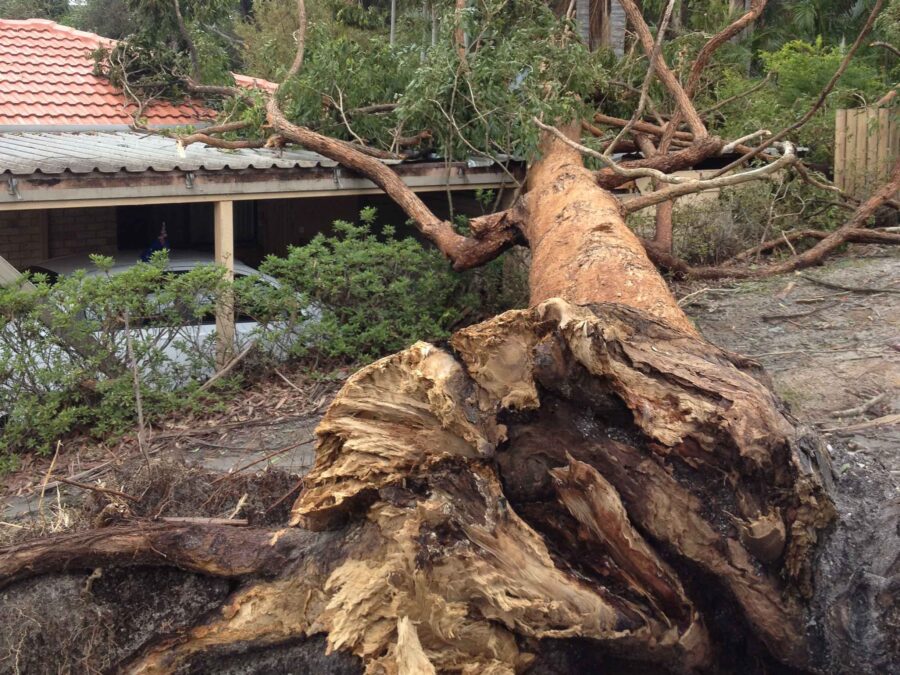
Storm damaged trees may need to be removed when severe weather has caused damage that cannot be fixed. High winds, lightning strikes, and heavy ice buildup can split trunks, create deep cracks, or strip away significant bark coverage—damage that fundamentally weakens the tree’s ability to support itself.

Tree limb breakage often indicates deeper issues within the tree’s structure. Large branches torn away during storms leave open wounds susceptible to infection while exposing internal decay. Split trunks create unpredictable failure points where the tree might collapse without warning, especially during future weather events.

Tree safety after storms requires immediate professional evaluation because damaged trees can pose serious dangers:

  • Hanging branches (widow-makers) can fall unexpectedly, posing a threat to anyone underneath
  • Partially uprooted trees with exposed root systems lack stability in anchoring
  • Leaning trunks suggest compromised root structures or internal fractures
  • Crown damage exceeding 50% severely limits the tree’s ability to recover

Trees displaying multiple storm-related injuries rarely heal enough to remain safe over time, making removal the responsible choice to protect people and property.

Can Location Hazards Force the Need for Tree Removal?

Location hazards refer to situations where trees pose a risk to human infrastructure, such as buildings and utility lines. When vegetation grows too close to these structures, it can create conflicts that may require tree removal.

Understanding Tree Location Hazards

Trees can be planted intentionally or grow naturally in proximity to buildings. In such cases, their growth can have detrimental effects:

  1. Root Damage: Aggressive root systems of trees can penetrate and damage foundations, leading to structural issues.
  2. Branch Compromise: Over time, branches of trees may extend and come into contact with roofs, gutters, and windows, causing potential harm during normal growth or windy conditions.

Assessing the Need for Tree Removal

While trees located near structures require careful monitoring, their mere presence doesn’t automatically warrant removal. The key consideration is whether safe clearance can be maintained through regular pruning and management practices.

Factors Influencing Removal Decisions

When evaluating whether a tree needs to be removed due to location hazards, three main factors come into play:

  • Distance: Is there insufficient space for the tree’s safe growth?
  • Species Characteristics: Does the tree belong to fast-growing or large-maturing varieties that may pose risks?
  • Management Feasibility: Can realistic pruning cycles effectively maintain safety margins?

If these factors align unfavourably and indicate potential dangers, removal becomes the only responsible solution to prevent property damage and ensure safety.

tree removal service

The Escalating Threat of Underground Infrastructure

In addition to above-ground concerns, it’s crucial to consider the impact of trees on underground infrastructure such as pipelines, water mains, or sewer systems. When a tree’s root zone encroaches upon these areas, the potential for damage escalates beyond surface-level issues and poses risks of costly infrastructure failures.

Addressing Electrical Line Hazards

Another significant hazard arises from trees growing into electrical lines. This situation creates fire risks and service interruptions that can have widespread consequences. While utility companies conduct routine trimming activities to mitigate these risks, certain tree species may exhibit aggressive growth patterns or be positioned in ways that make it impossible to maintain adequate clearance. For more information on safety measures related to electricity emergencies caused by such hazards, you can refer to this resource.

By understanding these factors and their implications, property owners can make informed decisions regarding tree management strategies—whether it involves proactive measures like pruning or more drastic actions like removal—to safeguard both their properties and surrounding infrastructure.

What Role Does Environmental Stress Play in Tree Removal Decisions?

Environmental stress on trees causes gradual but irreversible damage that accumulates over time. Poor soil conditions, prolonged drought, compacted earth around roots, and exposure to pollutants or salt can weaken a tree’s ability to absorb nutrients and maintain structural integrity. These chronic stressors compromise the tree’s defence mechanisms, making it vulnerable to disease and decay. Visit https://www.environment.nsw.gov.au/topics/land-and-soil/soil-degradation to get about soil degradation.

Identifying stress signs that warrant removal includes persistent leaf discolouration despite treatment, extensive dieback in the canopy, stunted growth year after year, and bark splitting or peeling that doesn’t heal. When roots show significant damage from soil contamination or construction activity, the tree loses its anchor and nutrient supply. Trees planted in unsuitable locations—such as areas with poor drainage or extreme temperature fluctuations—often exhibit these symptoms without hope of recovery.

When Is Tree Removal the Only Safe Option? becomes the critical question when environmental factors create conditions that no amount of fertilisation, watering, or soil amendment can reverse. Removal serves as a last resort when the tree’s declining health poses safety risks that management practices cannot address.

Are There Alternatives to Tree Removal and When Are They Insufficient?

Tree pruning vs removal often presents a critical decision point for property owners facing tree health concerns. Pruning can address dead or diseased branches, improve structural integrity, and extend a tree’s lifespan when problems remain localised. Tree treatment options include targeted fungicide applications, pest management programmes, and soil amendments to address nutrient deficiencies.

These alternatives fail when damage extends beyond salvageable portions. A tree with widespread internal rot cannot be saved through pruning alone—cutting away affected branches leaves a structurally compromised trunk vulnerable to collapse. Disease that has infected the root system or vascular tissue throughout the tree renders topical treatments ineffective.

Removal becomes necessary when:

  • The trunk shows extensive decay or hollow sections
  • Disease has spread to more than 50% of the canopy
  • Root damage threatens the tree’s anchoring ability
  • Structural defects create imminent failure risk

Professional arborists assess whether intervention can genuinely restore safety or merely delays inevitable removal whilst hazards persist.

How Do Professional Tree Removal Services Ensure Safety and Efficiency?

Why should you consult qualified arborists for tree removal?

Professional arborists possess the expertise to accurately assess tree hazards and determine the safest removal approach. They identify structural weaknesses, evaluate surrounding risks, and develop customised removal strategies that protect people and property.

What techniques and equipment do professionals use?

Safe tree removal techniques include sectional dismantling, where trees are removed piece by piece from top to bottom, and controlled felling for trees in open spaces. Specialists employ:

  • Cranes and aerial lifts for precise limb removal
  • Rigging systems to lower heavy branches safely
  • Chainsaws and specialised cutting tools
  • Safety harnesses and protective gear

How do services minimise disruption?

Professional teams work systematically to contain debris within designated areas, protecting landscaping and structures. They complete thorough site cleanup, including stump grinding, wood chipping, and debris removal, leaving properties ready for immediate use without lingering hazards or mess.

tree removal service

Conclusion

Hazardous trees require immediate attention—delaying evaluation puts lives and property at unnecessary risk. Professional arborists have the skills to spot subtle warning signs that untrained eyes might overlook, deciding whether removal is truly the only safe option.

Don’t wait for a dangerous tree to cause damage or injury. If you’ve noticed any warning signs discussed in this article—structural weakness, disease symptoms, storm damage, or location hazards—call tree removal service professionals today. Qualified experts will assess your situation, explain your options clearly, and carry out safe removal when necessary.

Your safety depends on quick action. Contact certified arborists now for a thorough tree evaluation and protect what matters most.

Related : Tree Removal Cost: What Affects the Price and How to Get an Accurate Quote?

Quick FAQs: Tree Removal Services

1. What is a tree removal service?
Professional assessment, planning, and execution to safely remove hazardous or unsalvageable trees while minimizing property damage.
2. When is tree removal necessary?
Structurally unsound trees with internal decay or weak trunks/roots
Diseased or pest-infested trees beyond treatment
Storm-damaged trees with compromised limbs or trunks
Trees posing location hazards near buildings, utilities, or underground infrastructure
Trees under severe environmental stress (poor soil, drought, pollution)
3. Can pruning or treatment replace removal?
Only when problems are localised. Widespread decay, root failure, or structural defects require removal for safety.
4. What are the main safety risks?
Falling limbs, total tree collapse, infrastructure damage, and risk to people or vehicles.
5. How do professionals ensure safe removal?
On-site hazard assessment and structural evaluation
Sectional dismantling or controlled felling using cranes, rigging, chainsaws, and safety gear
Protection of surrounding property and landscaping
Complete debris removal and site cleanup, including stump grinding
6. Why hire certified arborists?
They identify hidden hazards, plan safe removal strategies, comply with safety regulations, and prevent property damage or injury.
7. What signs indicate immediate action?
Visible trunk cracks, hollow sections, or fungal growth
Dead or hanging branches (widow-makers)
Leaning trees or exposed roots
Extensive canopy dieback or bark damage
8. How do location hazards affect removal decisions?
Trees near buildings, power lines, or underground utilities may need removal if safe clearance or pruning is insufficient to prevent damage.

Powered by WordPress & Theme by Anders Norén