
ours journey 1024x427.jpg

Category: Tree Pruning Services

tree service near me

Best Tree Loppers Near Me: Why Hire a Sydney Arborist in 2026

Finding the best tree loppers near me is a priority for many Sydney homeowners facing overgrown branches or hazardous leaning trees. However, in 2026, the distinction between a “lopper” and a professional arborist has never been more critical. While a quick search might yield dozens of local options, the risks associated with unqualified tree work—ranging from property damage to severe legal liabilities—are substantial.

In the complex urban landscape of Sydney, professional tree care is no longer just about aesthetics. It is about risk management, environmental compliance, and long-term property value. This guide explores why choosing a licensed professional with $20 million public liability insurance is the only way to ensure your home and family remain protected.

See more: Arborist Wahroonga Guide: Why Tree Preservation Matters in Bushfire-Prone Zones


Understanding Tree Lopping vs. Professional Arboriculture

To the untrained eye, cutting a tree seems straightforward. However, the industry makes a sharp distinction between “tree lopping” and “arboriculture.”

What is Tree Lopping?

Tree lopping generally refers to the indiscriminate cutting of tree branches or stems. It often involves “topping,” which is the practice of removing the top of the tree to reduce its height. While this provides a quick fix for a view or a perceived hazard, it often leads to:

  • Weak Regrowth: Epicormic shoots grow back faster but are weakly attached.
  • Tree Stress: Removing too much canopy starves the tree of energy.
  • Disease: Large, ragged cuts become entry points for pests and fungi.

What is a Professional Arborist?

A professional Sydney arborist is trained in the science of tree care. They follow Australian Standard AS 4373-2007 (Pruning of Amenity Trees). Their goal is to maintain the structural integrity and health of the tree while mitigating risk to the surrounding environment.


The Critical Importance of $20 Million Public Liability Insurance

When searching for “tree loppers near me,” the most important question you can ask is: “Are you insured for $20 million?”

In 2026, this has become the industry benchmark for high-quality Sydney tree services. Here is why this specific figure matters:

1. High-Density Living Risks

Sydney’s residential areas often feature homes in close proximity to power lines, neighbors’ fences, and swimming pools. If a heavy limb falls incorrectly, the damage can easily exceed six figures.

2. Personal Injury Coverage

Tree work is statistically one of the most dangerous professions. If an uninsured worker is injured on your property, you, as the homeowner, could be held liable for their medical expenses and lost wages. A $20 million policy ensures the contractor’s insurance handles these catastrophic costs.

3. Protection Against Underground Utilities

Modern Sydney homes are connected via complex underground networks of fiber optics, gas, and water. A professional arborist carries insurance that covers “vicarious liability,” protecting you if a stump grinding operation accidentally hits a utility main.


Benefits of Hiring a Licensed Sydney Arborist

Hiring a certified professional provides more than just peace of mind; it offers tangible benefits for your property.

Precision and Specialized Equipment

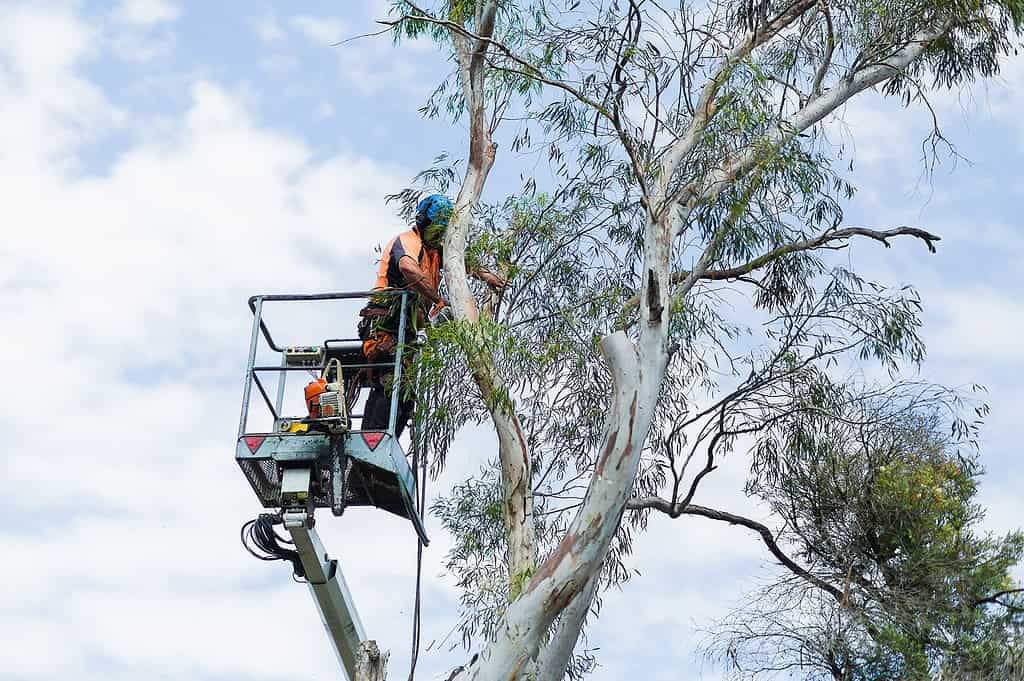
Licensed arborists use high-tech equipment including spider lifts, wood chippers, and stump grinders designed to work in tight urban spaces without damaging your lawn or driveway.

Compliance with Local Council Regulations

Every Sydney council (from the Northern Beaches to the Inner West) has specific Tree Preservation Orders (TPOs). Removing or significantly pruning a tree without a permit can result in fines exceeding $100,000. A professional arborist understands these local laws and can assist with the permit application process.

Enhanced Property Value

Healthy, well-maintained trees can add up to 10% to 15% to a property’s market value. Conversely, a hacked, dying tree is a liability that buyers will negotiate against.


The Step-by-Step Professional Tree Removal Process

If you have identified a hazardous tree, here is the standard framework a professional team will follow:

  1. Site Inspection & Hazard Assessment: Identifying targets (houses, power lines) and assessing the tree’s lean and structural integrity.
  2. Permit Verification: Ensuring all Sydney council approvals are in place.
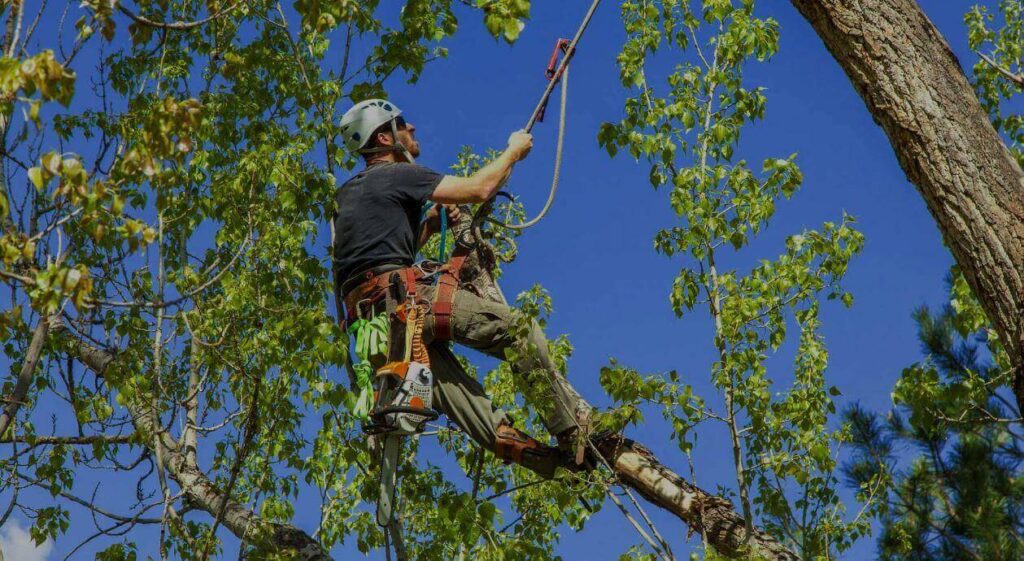
  3. Rigging Setup: Using ropes and pulleys to lower large sections of the tree safely to the ground.
  4. Controlled Felling or Sectioning: Dismantling the tree piece by piece.
  5. Debris Management: Mulching branches on-site and removing the trunk.
  6. Stump Grinding: Removing the stump below ground level to prevent regrowth and tripping hazards.

Common Mistakes When Choosing “Tree Loppers Near Me”

Avoid these frequent pitfalls to ensure your project goes smoothly:

  • Chasing the Lowest Quote: A significantly lower price usually means the contractor is cutting corners on insurance, safety gear, or staff training.
  • Ignoring Online Reviews: Check for recent, local Sydney reviews that mention professionalism and cleanup.
  • Accepting Verbal Agreements: Always demand a written quote that specifies the scope of work, total cost, and insurance details.
  • Not Checking Qualifications: In Australia, look for a minimum Certificate III in Arboriculture.

Tree Care Best Practices for Sydney Homeowners

To minimize the need for emergency lopping, follow these maintenance tips:

  • Annual Inspections: Have an arborist check your trees before the summer storm season.
  • Mulching: Apply organic mulch around the base of your trees to retain moisture during Sydney’s hot spells.
  • Proper Watering: Deep, infrequent watering is better for root health than light, daily sprinkling.
  • Avoid Root Damage: Never park heavy vehicles or store construction materials under the “drip line” of a tree.
tree removal sydney

FAQ: Hiring Tree Services in Sydney

1. Do I need council permission to prune a tree in Sydney?

In most cases, yes. While some “exempt” species exist, most Sydney councils require a permit for pruning more than 10-15% of a tree’s canopy. A licensed arborist can confirm your local TPO rules.

2. How much does tree removal cost in Sydney in 2026?

Costs vary based on tree size, location, and accessibility. On average, small trees start at $500, while large, complex removals can range from $2,500 to $8,000+.

3. Why is $20 million the standard for insurance?

Many commercial contracts and local government bodies now require $20 million as a minimum to cover the extreme costs associated with modern litigation and high-value property damage.

4. Can I prune a tree that is overhanging from my neighbor’s yard?

Under NSW law, you can usually prune branches back to your property line, but you must not damage the health of the tree or trespass. It is always best to consult an arborist to ensure the cut is legal and safe.

5. What is the best time of year for tree pruning?

While emergency work happens year-round, late winter is often ideal for many Sydney species, as trees are dormant and wounds heal faster in the spring.


Conclusion: Make the Safe Choice for Your Sydney Property

When looking for the best tree loppers near me, remember that the cheapest option is rarely the safest. In 2026, the complexity of Sydney’s urban environment demands a higher standard of care. By choosing a licensed arborist with $20 million public liability insurance, you are protecting your home, your financial security, and the health of the local ecosystem.

Proper tree maintenance is an investment, not an expense. Ensure your trees remain an asset to your property rather than a hazard.

Would you like me to generate a list of internal linking opportunities or create a custom schema markup for this article?


Internal Linking & Authority Suggestions

Internal Linking (Anchor Text Suggestions):

  • Sydney tree removal services
  • Emergency tree work Sydney
  • Arborist report for council
  • Stump grinding benefits
  • Hedge trimming Sydney

Authoritative External References:

  • Standards Australia: Search for “AS 4373-2007 Pruning of Amenity Trees” to understand the national requirements for tree care.
  • NSW Land and Environment Court: Reference their “Trees (Disputes Between Neighbours) Act 2006” for legal guidance on boundary tree issues.
Tree Pruning Services

Tree Pruning Services: How Often Should Trees Be Pruned?

Tree pruning is an essential aspect of tree care that promotes healthy growth, enhances aesthetics, and ensures safety. Understanding how often trees should be pruned is crucial for homeowners, landscapers, and tree care professionals alike. This article delves into the factors influencing pruning frequency, the benefits of regular pruning, and the best practices to follow for optimal tree health.

The Importance of Tree Pruning

Pruning is not merely about cutting branches; it is a vital practice that supports the overall health and longevity of trees. Regular tree pruning services help remove dead or diseased branches, allowing for better air circulation and sunlight penetration. For a deeper understanding of how professional tree pruning services improve tree structure, safety, and long-term growth outcomes, learn more. This, in turn, fosters a healthier tree structure and encourages robust growth.

Moreover, pruning can significantly enhance the aesthetic appeal of trees and landscapes. Well-maintained trees can increase property value and contribute positively to the surrounding environment. In urban areas, where space is limited, proper pruning can prevent trees from encroaching on buildings and power lines, thereby reducing potential hazards. Click here to get also about green waste removal Sydney.

Tree Pruning Services

Benefits of Regular Pruning

  • Health Improvement: Removing dead or diseased branches prevents the spread of pests and diseases.
  • Enhanced Growth: Pruning encourages new growth by directing the tree’s energy towards healthy branches.
  • Safety: Regular pruning reduces the risk of falling branches, which can pose a danger to people and property.
  • Aesthetic Appeal: A well-pruned tree enhances the visual landscape and increases property value.

Factors Influencing Pruning Frequency

Determining how often trees should be pruned depends on several factors, including tree species, age, health, and environmental conditions. Each of these elements plays a critical role in establishing a suitable pruning schedule.

Tree Species

Different species of trees have varying growth rates and pruning needs. For instance, fast-growing species such as willows and poplars may require more frequent pruning compared to slower-growing varieties like oaks and pines. Understanding the specific needs of each tree species is essential for effective pruning.

Additionally, some trees have unique growth patterns that may necessitate specialised pruning techniques. For example, fruit trees often require specific pruning to optimise fruit production, while ornamental trees might need shaping to maintain their aesthetic form.

Tree Age and Health

Young trees generally require more frequent pruning to establish a strong structure and encourage healthy growth. During the formative years, pruning can help shape the tree and remove any competing leaders or weak branches. As trees mature, the frequency of pruning can be reduced, focusing instead on maintenance and health checks.

Healthy trees may require less frequent pruning compared to those that are diseased or damaged. Regular inspections can help identify any issues early, allowing for timely intervention and minimising the need for extensive pruning later on.

Environmental Conditions

Environmental factors such as climate, soil quality, and local pests can also influence pruning frequency. Trees in harsher climates or those exposed to high winds may require more frequent pruning to remove damaged branches and maintain stability. Similarly, trees affected by pest infestations may need more regular attention to prevent further damage.

In urban settings, where trees are often subjected to pollution and limited space, regular pruning can help mitigate stress and promote healthier growth. Community engagement, as seen in Oakland, California, where over 60% of pruning requests originated from residents, highlights the importance of public awareness in maintaining urban trees.

Tree Pruning Services

Recommended Pruning Schedule

While the exact frequency of pruning can vary, there are general guidelines that can help determine an appropriate schedule. For most trees, a pruning interval of every 3 to 5 years is recommended, with adjustments made based on the factors discussed earlier.

Young Trees

For young trees, annual pruning is often beneficial. This helps to establish a strong framework and encourages healthy growth. During these formative years, focus on removing any crossing branches, deadwood, and competing leaders to promote a single, dominant leader.

Mature Trees

Mature trees typically require less frequent pruning, with a schedule of every 3 to 5 years being ideal. During these sessions, the focus should be on maintaining the tree’s health and aesthetics. Inspect for any dead or diseased branches and remove them promptly to prevent further issues.

Fruit Trees

Fruit trees have specific pruning needs that often require annual attention. Pruning should be done in late winter or early spring before new growth begins. This timing allows for optimal fruit production and encourages healthy growth. Additionally, removing any suckers and water sprouts can help direct energy towards fruit-bearing branches.

Best Practices for Tree Pruning

To ensure effective and safe pruning, it is essential to follow best practices. Proper techniques not only promote tree health but also minimise the risk of damage to the tree and surrounding areas.

Timing is Key

Understanding the right time to prune is crucial. Most trees benefit from pruning during their dormant season, typically in late winter or early spring. This timing allows for healing before the growing season begins. However, some trees, such as flowering species, may require specific timing to avoid disrupting their blooming cycle.

Use the Right Tools

Using appropriate tools is vital for effective pruning. Sharp, clean tools help make clean cuts, reducing the risk of disease transmission. Common tools include hand pruners for small branches, loppers for larger branches, and saws for thicker limbs. Always disinfect tools before and after use to prevent the spread of pathogens.

Follow Proper Techniques

When pruning, follow the three-cut method for larger branches to prevent bark tearing. The first cut should be made on the underside of the branch, about a third of the way through. The second cut should be made from the top, further out from the first cut, allowing the branch to fall without tearing the bark. The final cut should be made just outside the branch collar, which helps the tree heal effectively.

Tree Pruning Services

Innovations in Tree Pruning

Recent advancements in technology are revolutionising the way tree pruning is approached. Innovations such as drone technology and IoT sensors are being utilised to monitor tree health in real-time, allowing for more informed pruning decisions.

Drone Technology

In May 2023, Arborwell introduced an innovative tree health monitoring system that leverages drone technology and IoT sensors. This system enables tree care professionals to assess tree health from above, identifying issues that may not be visible from the ground. Such technology allows for proactive maintenance and targeted pruning, ultimately enhancing tree health and longevity.

Standardisation in Pruning Practices

A recent study published in May 2024 emphasised the need for standardised terminology and decision-making processes in pruning. By establishing clear guidelines, tree care professionals can ensure consistency and effectiveness in their practices, leading to better outcomes for tree health and community engagement.

Conclusion

Understanding how often trees should be pruned is essential for maintaining their health and beauty. By considering factors such as species, age, and environmental conditions, homeowners and tree care professionals can develop effective pruning schedules. Regular pruning not only enhances the aesthetic appeal of trees but also promotes their overall health and safety.

With advancements in technology and a growing emphasis on sustainable practices, the future of tree pruning looks promising. By adopting best practices and staying informed about the latest developments, we can ensure that our trees thrive for generations to come.

FAQs on Tree Pruning Services

1. Why is tree pruning important?

Tree pruning improves tree health by removing dead or diseased branches, encourages new growth, enhances safety, and increases aesthetic appeal. It also prevents trees from interfering with power lines and buildings.

2. How often should trees be pruned?

Most mature trees benefit from pruning every 3 to 5 years. Young trees may need annual pruning to establish a strong structure, while fruit trees often require yearly pruning for optimal fruit production.

3. Does the tree species affect pruning frequency?

Yes. Fast-growing species like willows and poplars usually need more frequent pruning than slow-growing trees such as oaks and pines. Fruit and ornamental trees may also require specialised pruning schedules.

4. When is the best time of year to prune trees?

Late winter or early spring, during the dormant season, is the best time for most trees. This allows for quicker healing before the growing season. Flowering trees may need pruning after their blooming cycle.

5. What tools are best for tree pruning?

Hand pruners work well for small branches, loppers are used for medium-sized ones, and pruning saws are ideal for thick limbs. Always ensure tools are sharp, clean, and disinfected to prevent spreading disease.

6. Are there risks in not pruning trees regularly?

Yes. Unpruned trees can develop weak structures, suffer from disease, and pose safety hazards from falling branches. They may also lose shape and become less attractive.

7. Are there new technologies in tree pruning?

Yes. Recent innovations like drones and IoT sensors help arborists monitor tree health in real time, allowing for more precise and proactive pruning practices.

Powered by WordPress & Theme by Anders Norén