
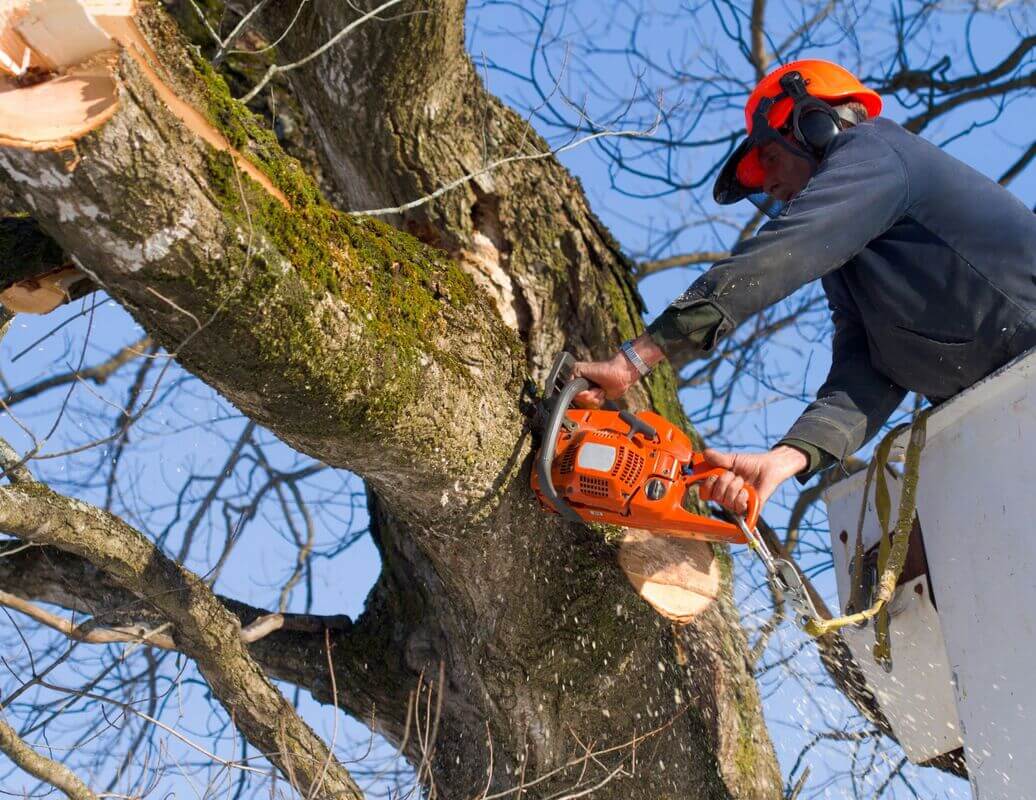
In Sydney, this matters because trees sit close to homes, power lines, footpaths, and neighbours. A small defect can become a big problem during storms, heatwaves, or heavy rain.
What does “tree health and risk” actually mean to an arborist?
An arborist Sydney professional looks at both tree health and risk. Tree health is the tree’s current condition and its capacity to keep growing normally, while risk is the chance a tree, or part of it, will fail and cause harm. When trees are assessed as posing a significant safety hazard or are no longer viable to retain, professional tree removal services may be recommended as part of responsible arboricultural management. https://treesdownunder.com.au/tree-removal.
They do not just ask “is it healthy?”. They ask “what could fail, how likely is it, and what would it hit?”.
How do they start an on-site tree health assessment?
They usually begin with a site walk-around and a 360-degree visual inspection. This helps them understand the tree’s context before focusing on specific defects.
They also note what the tree is overhanging, who uses the area, and what has changed recently, like construction, trenching, or soil level changes.
What can the canopy tell them about a tree’s condition?
The canopy is one of the fastest indicators of vitality. Sparse foliage, small leaves, dieback at branch tips, and uneven growth often signal stress.
They also look for dead wood, weak unions, and branches with heavy end-weight. In Sydney, sudden canopy thinning can also follow heat stress, drought, or root damage from nearby works.
What do they check on the trunk and bark?
The trunk reveals many structural issues. They look for cracks, splits, cavities, bulges, and areas where bark has sloughed off.
They also assess old pruning wounds, previous storm damage, and signs of internal decay. A trunk can look solid while being compromised inside, so they pay attention to subtle cues like seam-like ribs, hollow sounds, or fungal growth.
How do they assess the base and root zone for hidden problems?
Many tree failures begin below eye level. They check the root flare, buttress roots, and soil around the base for instability.
Common concerns include soil heave, new leaning, exposed roots, waterlogging, and compaction. They also look for recent excavation, driveway works, or new retaining walls that may have cut roots or changed drainage.
What signs of pests and diseases do they look for in Sydney?
They look for leaf spotting, abnormal shedding, borer holes, frass, sap bleeding, and canopy decline patterns that match common local issues. They also watch for fungal fruiting bodies, which can indicate decay.
Importantly, they focus on impact, not just presence. A tree can host pests or fungi without being high risk, but widespread symptoms plus structural defects change the picture.
How do they judge whether a branch is likely to fail?
They assess branch attachments, cracks, included bark, and the balance between branch length and diameter. Overextended branches and multiple stems with tight junctions are common risk points.
They also consider load factors. A branch over a driveway, a playground, or a roof is assessed more conservatively than one over open lawn.
What role do tree species and history play in their decision?
Species matters because different trees fail in different ways. Some are more prone to limb drop under heat stress, while others tolerate pruning poorly or decay faster after wounding.
They also factor in the tree’s history. A tree that has been topped, repeatedly lopped, or damaged by machinery often has weaker regrowth and a higher long-term failure risk.
How do they account for storms, wind exposure, and site conditions?
Risk is not just about the tree. It is also about the forces acting on it and the conditions around it.
They consider prevailing winds, slope, soil type, drainage, and whether the tree is sheltered or newly exposed. In Sydney, storms can follow long dry spells, so trees with compromised roots or decay can fail suddenly when rain softens the soil.
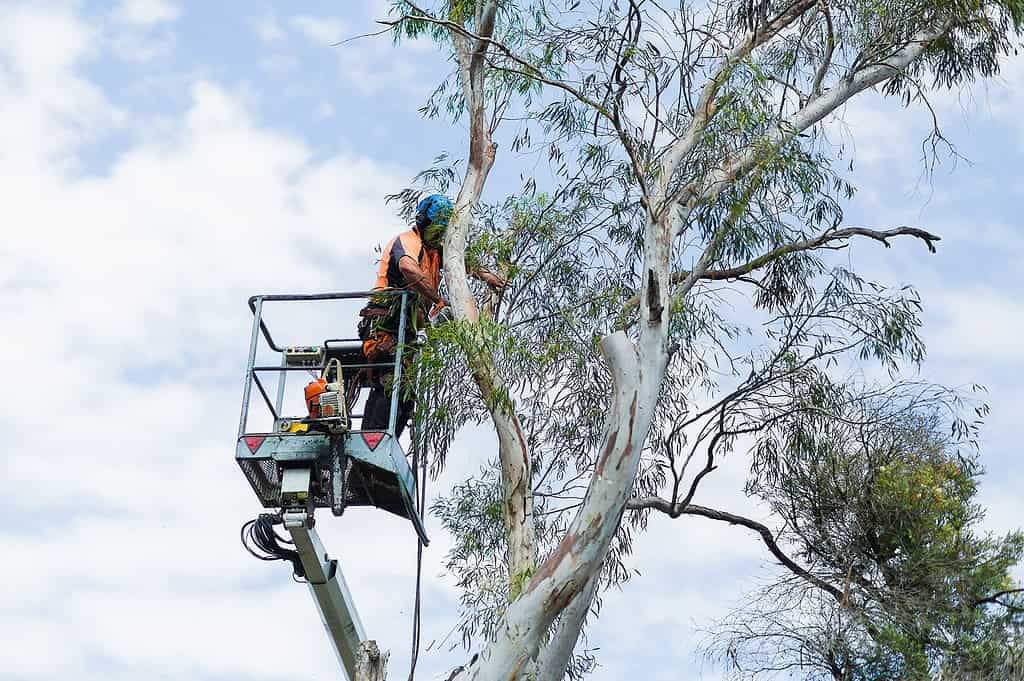
How do they estimate “targets” and consequences if a tree fails?
A target is anything that could be hit, like a house, car, fence, powerline, or a frequently used footpath. Arborists consider both what could be struck and how often people are actually there.
This is why two similar trees can receive different recommendations. A defect over a quiet back corner is not assessed the same as the same defect over a busy entry path. Click here to read more about safe tree work.
When do they use tools or advanced testing instead of visual checks?
Visual assessment is often enough for routine decisions, but they may use tools when the defect is unclear or consequences are high. They might probe cavities, use mallets for sound changes, or measure trunk dimensions and lean.
For higher-value or higher-risk situations, advanced testing can include resistograph drilling or sonic tomography, usually when internal decay must be confirmed before deciding on major pruning or removal.
How do they turn observations into a clear risk rating?
They typically combine three elements: likelihood of failure, likelihood of impact, and severity of consequences. This keeps the assessment grounded and repeatable.
They also avoid treating risk as “safe” or “unsafe”. Most trees sit in the middle, where sensible pruning, monitoring, or site changes can reduce risk without removing the tree.
What recommendations do they usually give after the assessment?
Most recommendations aim to reduce risk while retaining the tree where possible. Common actions include deadwooding, selective pruning, weight reduction, and bracing in specific situations.
They may also recommend mulching, soil improvement, pest management, or irrigation changes when decline is linked to stress. If the tree is structurally unsound or decline is advanced, removal and replacement may be recommended.
How often do they recommend monitoring rather than immediate work?
Monitoring is common when defects exist but are not urgent, or when the tree is responding to treatment. They may suggest re-inspection after a storm season, after construction completes, or within 6 to 12 months depending on the issue.
This approach suits many Sydney properties where trees are valuable for shade and amenity, and where careful staged management is better than drastic action.
What should property owners prepare before booking an arborist in Sydney?
They should note any recent changes, such as renovations, trenching, new paving, or changes in watering. Photos showing how the canopy has changed over time can also help.
They should also be clear about their concerns, like falling branches, neighbour disputes, or shading. With that information, an arborist can focus the assessment and provide recommendations that are practical and defensible.
What is the key takeaway about how arborists assess tree health and risk?
They assess tree health and risk by looking at structure, vitality, site conditions, and targets as one connected system. The best assessments are not about fear or blanket removal, but about understanding what is happening and choosing the lowest-impact step that meaningfully reduces risk. For practical guidance on selecting a reliable local provider, read how to choose a trusted tree service near you in Sydney.
For Sydney property owners, that usually means a clear inspection, a sensible plan, and knowing when to act now versus when to monitor.
FAQs (Frequently Asked Questions)
What does ‘tree health and risk’ mean to a Sydney arborist?
To a Sydney arborist, tree health refers to a tree’s current condition and its ability to continue growing normally. Risk is the likelihood that the tree or any part of it may fail and cause harm. They assess not just if the tree is healthy, but also what could fail, how likely it is, and what might be impacted.
How does a Sydney arborist conduct an on-site tree health assessment?
A Sydney arborist begins with a site walk-around and a 360-degree visual inspection to understand the tree’s context. They observe what the tree overhangs, who uses the area, and any recent changes like construction or soil level alterations before focusing on specific defects.
What indicators in the canopy help determine a tree’s condition?
The canopy reveals vitality through foliage density, leaf size, branch tip dieback, and growth patterns. Sparse foliage, small leaves, uneven growth, dead wood, weak unions, and heavy end-weight branches often signal stress due to factors like heat stress, drought, or root damage.
Why is assessing the trunk and bark important in evaluating tree health?
The trunk can show structural issues such as cracks, splits, cavities, bulges, bark loss, old pruning wounds, storm damage, and internal decay signs. Since internal problems may not be visible externally, subtle cues like hollow sounds or fungal growth are carefully checked.
How do Sydney arborists evaluate risks related to branches?
They examine branch attachments for cracks or included bark and assess the balance between branch length and diameter. Overextended branches or tight multi-stem junctions are common risk points. The potential load is considered more critically if branches overhang driveways, playgrounds or roofs.
What role do site conditions and environmental factors play in assessing tree risk in Sydney?
Site conditions like prevailing winds, slope, soil type, drainage, and exposure influence risk assessment. In Sydney’s climate, storms following dry spells can cause sudden failures in trees with compromised roots or decay when soil softens after rain.