
ours journey 1024x427.jpg

Category: Green Waste

Rodent Control Sydney: Top 5 Eco-Friendly Pest Removal Options

Rodent Control Sydney: Top 5 Eco-Friendly Pest Removal Options

Top 5 Eco-Friendly Pest Removal Options for Rodent Control in Sydney

Rodent Control Sydney: Top 5 Eco-Friendly Pest Removal Options offer safe, effective alternatives to traditional chemical treatments. Sydney residents increasingly choose sustainable rodent control methods that protect families, pets, and the environment without compromising effectiveness.

The shift toward eco-friendly pest control sydney options reflects growing awareness about chemical impacts on local ecosystems and human health. Property owners now seek solutions that eliminate rodent problems while preserving Sydney’s unique biodiversity and maintaining safe living spaces.

This guide explores five proven sustainable approaches:

  1. Integrated Pest Management (IPM) for holistic prevention
  2. Biological control using natural predators
  3. Plant-based repellents from botanical sources
  4. Physical control methods without toxic chemicals
  5. Temperature treatments for non-toxic extermination

Each method delivers results while minimizing environmental footprint, making them ideal for homes, businesses, and sensitive areas where conventional pesticides pose risks to children, pets, or native wildlife.

1. Integrated Pest Management (IPM): A Holistic Approach to Rodent Control

What makes IPM rodent control Sydney’s most comprehensive eco-friendly solution? Integrated pest management combines multiple strategies to control rodents while minimizing environmental impact and chemical use. This approach treats pest problems as ecosystem imbalances rather than isolated incidents requiring immediate chemical intervention.

IPM works by addressing the underlying conditions that attract rodents to properties. Rather than relying solely on poisons or traps, this method examines food sources, entry points, nesting sites, and environmental factors that make spaces vulnerable to infestation. The strategy proves particularly effective in Sydney’s urban environment where rodents adapt quickly to single-method control attempts.
Rodent Control Sydney: Top 5 Eco-Friendly Pest Removal Options

Core Principles of Integrated Pest Management

Prevention forms the foundation of any successful IPM program. Pest control professionals seal structural gaps, eliminate food and water sources, and modify landscapes to make properties less attractive to rodents. This proactive stance reduces the need for reactive treatments.

Monitoring and identification ensure accurate assessment of rodent activity. Technicians use tracking devices, inspection cameras, and activity logs to determine species, population size, and movement patterns. This data drives decision-making about which interventions will prove most effective.

Targeted interventions apply the least toxic methods first. When prevention and monitoring indicate treatment necessity, IPM practitioners select specific tools matched to the situation:

This layered approach creates sustainable, long-term rodent control while protecting Sydney’s environment and public health.

2. Biological Control: Using Nature’s Balance to Fight Rodents

How does biological rodent control work in Sydney to manage pests naturally? Biological control uses predator-prey relationships and natural enemies to control rodent populations without using synthetic chemicals. This method maintains ecological balance by introducing or promoting organisms that naturally hunt rodents, creating a self-sustaining system for managing pests.

Types of Biological Agents Used in Pest Regulation

Natural pest regulation relies on three main types of biological agents:

  1. Predatory birds: Barn owls, kestrels, and hawks actively hunt rats and mice. Installing owl boxes on properties encourages these raptors to establish territories, with a single barn owl family consuming up to 3,000 rodents annually.
  2. Feral cats and native predators: While controversial in some contexts, managed cat colonies in industrial areas can suppress rodent populations. Native quolls and pythons also contribute to natural rodent control in suitable habitats.
  3. Microbial agents: Certain bacteria and fungi target rodents specifically without affecting other wildlife. These biological agents cause diseases in rodent populations while remaining harmless to humans, pets, and beneficial insects.

Benefits of Biological Control Over Chemical Methods

The advantages of biological control over chemical methods include:

  • Long-term sustainability: Predator populations establish permanent residence, providing ongoing protection
  • No chemical residues: Eliminates risks of secondary poisoning to non-target animals
  • Cost-effectiveness: Reduced need for repeated chemical applications
  • Environmental safety: Preserves soil health and water quality

Opportunities for Biological Control Implementation in Sydney

Sydney’s urban environment presents unique opportunities for implementing biological control. Properties near parklands or waterways can benefit the most from raptor programs, while commercial facilities have the potential to integrate multiple biological strategies. Professional pest control services evaluate site suitability and set up appropriate infrastructure to attract beneficial predators.

3. Plant-Based Products: Safe and Effective Rodent Repellents

Can plant-based products truly keep rodents away from your Sydney property? Yes—botanical extracts offer a proven, low-toxicity alternative that repels and eliminates rodents without endangering children, pets, or native wildlife. These biodegradable formulations break down naturally in the environment, leaving no harmful residues while maintaining effectiveness against common Sydney rodent species.

Plant-based rodent repellents Sydney services rely on specific botanical compounds that trigger avoidance behaviors in mice and rats. The active ingredients work by overwhelming rodents’ sensitive olfactory systems or creating unpleasant taste sensations that discourage feeding and nesting. Unlike synthetic chemicals that persist in soil and waterways, these natural solutions decompose safely after serving their purpose.

Common Botanical Extracts in Commercial Formulations

Neem oil contains azadirachtin, a compound that disrupts rodent feeding patterns and reproductive cycles. Sydney pest control providers apply neem-based treatments around entry points and known rodent pathways, creating barriers that discourage intrusion without toxic exposure risks.

Eucalyptus oil produces a strong scent that rodents instinctively avoid due to its association with predator presence. This native Australian plant extract works particularly well in enclosed spaces like roof cavities and storage areas where rodents seek shelter.

Citrus-based formulations utilize d-limonene extracted from orange and lemon peels. This natural solvent breaks down rodent pheromone trails while creating an inhospitable environment that forces existing populations to relocate.

Peppermint oil delivers concentrated menthol that irritates rodent nasal passages, making treated areas uncomfortable for habitation. Professional applications combine peppermint with other botanical pest control products for enhanced deterrent effects across residential and commercial properties.

4. Physical Control Methods: Chemical-Free Solutions to Keep Rodents at Bay

What makes physical control methods effective for rodent management? Physical rodent control Sydney relies on mechanical barriers and devices that capture or exclude rodents without chemicals. These methods form a critical component of sustainable pest management by targeting rodents directly through traps, exclusion techniques, and structural modifications.

Mechanical Traps: Proven Designs for Rodent Control

Mechanical traps for rodents come in several proven designs. Snap traps remain the most common choice, delivering quick results when properly positioned along rodent pathways near walls and entry points. Live-catch traps offer humane alternatives for property owners who prefer relocation, though releasing rodents far from residential areas prevents return visits. Electronic traps provide another option, using sensors to detect rodents and deliver instant, humane elimination.

Exclusion Techniques: Preventing Rodent Access

Exclusion techniques address the root cause by preventing rodent access entirely. Professional pest control services seal entry points using:

  • Steel wool and copper mesh for gaps around pipes and vents
  • Heavy-gauge screening over roof vents and chimneys
  • Door sweeps and weather stripping for ground-level openings
  • Concrete or metal flashing for foundation cracks

Structural Modifications: Blocking Rodent Highways

Structural modifications complement these measures. Trimming tree branches that touch buildings removes rodent highways into attics. Installing metal guards around utility lines blocks climbing routes. Proper storage of food in sealed containers and regular waste management eliminate attractants that draw rodents to properties.

The Importance of Regular Monitoring

The effectiveness of physical methods increases dramatically when combined with regular monitoring. Weekly trap inspections ensure timely removal and reset, while seasonal assessments identify new vulnerabilities as buildings settle or weather conditions change. Sydney pest control professionals often recommend quarterly maintenance visits to maintain long-term protection.

5. Temperature Treatments: Using Heat or Cold to Exterminate Rodents Non-Toxically

Can temperature extremes eliminate rodents without chemicals? Heat treatment for rodents Sydney and cold treatment pest control methods use thermal shock to exterminate pests in specific scenarios where traditional approaches prove impractical. These specialized techniques expose rodents to lethal temperatures that disrupt their biological functions without introducing toxins into the environment.

Heat Treatments

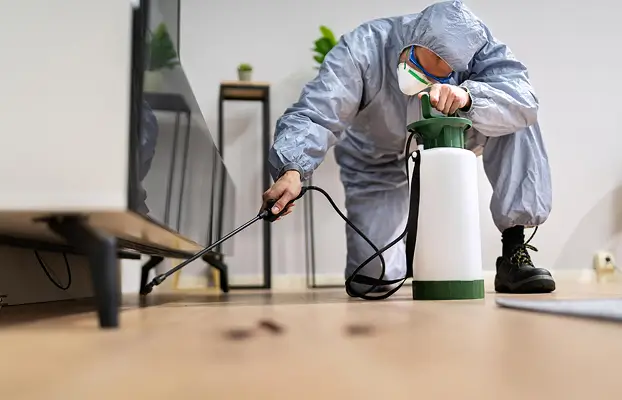
Heat treatments raise ambient temperatures to 55-60°C (131-140°F) in enclosed spaces, causing fatal hyperthermia in rodents within hours. This method proves particularly effective for:

  • Warehouse infestations where food storage areas require chemical-free solutions
  • Heritage buildings with sensitive materials that cannot tolerate pesticide residues
  • Commercial kitchens needing immediate pest-free certification without contamination risks
  • Multi-unit residential properties where coordinated treatment timing becomes essential

Cold Treatments

Cold treatments operate on the opposite principle, using cryogenic substances or controlled freezing to induce hypothermia. Liquid nitrogen or carbon dioxide snow applied directly to rodent nesting sites creates instant lethal conditions at temperatures below -40°C (-40°F).

The primary advantage lies in complete chemical elimination while achieving immediate results. Temperature treatments leave no residues, require no ventilation periods, and pose zero secondary poisoning risks to pets or wildlife. Professional pest control operators in Sydney deploy thermal imaging cameras to identify rodent activity zones before treatment, ensuring comprehensive coverage of affected areas.

These methods work best as part of integrated strategies rather than standalone solutions. Property owners must address entry points and food sources simultaneously to prevent reinfestation after thermal treatments conclude.

How Do Eco-Friendly Pest Control Providers Customize Treatment Plans in Sydney?

Customized eco-friendly rodent control Sydney services begin with comprehensive property inspections that map out every potential entry point and nesting area. Professional providers assess structural vulnerabilities, food sources, water access, and environmental conditions that attract rodents to your specific property.

The inspection process typically includes:

  • Exterior perimeter examination: checking foundations, vents, roof lines, and utility penetrations
  • Interior assessment: identifying droppings, gnaw marks, grease trails, and active infestation zones
  • Landscaping evaluation: noting vegetation, debris piles, and outdoor attractants
  • Moisture source identification: locating leaks, standing water, and humidity issues

Eco-conscious companies use these findings to develop targeted strategies rather than applying blanket treatments. A warehouse with multiple loading docks receives different interventions than a residential home with garden rodent activity. Providers match the severity of infestation with appropriate plant-based products, physical barriers, and exclusion methods.

Property inspections for pests also consider occupant safety requirements. Homes with children or pets receive extra emphasis on non-toxic solutions, while commercial kitchens demand food-safe applications. Seasonal patterns specific to Sydney’s climate influence timing and intensity of treatments, with providers adjusting plans for peak rodent breeding seasons.

This diagnostic approach ensures resources target actual problem areas rather than unnecessary widespread application, maximizing effectiveness while minimizing environmental impact. The use of various pest control methods, tailored to each unique situation, further enhances the success of these eco-friendly pest control strategies.

Why Is Certification Important Among Eco-Conscious Pest Control Companies?

Certifications provide verifiable proof that pest control companies meet rigorous environmental and safety standards. Green pest control certifications Sydney providers hold demonstrate their commitment to sustainable practices beyond marketing claims, giving customers confidence in their eco-friendly approach.

Recognized certifications establish accountability through third-party verification. Companies displaying these credentials undergo regular audits and must maintain specific protocols for product selection, application methods, and environmental protection. This transparency helps consumers distinguish genuinely sustainable services from conventional operators using superficial “green” branding.

Rodent Control Sydney: Top 5 Eco-Friendly Pest Removal Options

Sydney pest control companies commonly hold these certifications:

  • B.U.G.S. (Biological Urban Gardening Services) – An Australian standard emphasizing biological controls and minimal chemical intervention in urban pest management
  • Green Shield Certified® – International certification requiring strict limits on pesticide toxicity and mandatory use of IPM principles
  • NPMA GreenPro® – North American certification recognizing companies implementing comprehensive green pest management programs with documented environmental safeguards

These credentials require ongoing education for technicians, ensuring staff stay current with emerging eco-friendly techniques and products. Certified companies must document treatment methods, maintain detailed records of products used, and demonstrate measurable reductions in conventional pesticide applications. The certification process also mandates customer education about prevention strategies, creating partnerships between providers and property owners for long-term rodent management success.

Conclusion

Sustainable rodent control Sydney offers proven alternatives that protect your property while safeguarding environmental health. The five eco-friendly methods explored—Integrated Pest Management, biological control, plant-based products, physical barriers, and temperature treatments—deliver effective results without compromising the safety of your family, pets, or local ecosystems.

Rodent Control Sydney: Top 5 Eco-Friendly Pest Removal Options empowers you to make informed decisions when facing infestations. These approaches address immediate pest problems while preventing future occurrences through long-term strategies that traditional chemical methods cannot match.

Take action today by partnering with certified eco-conscious pest control providers who prioritize both effectiveness and environmental responsibility. Request property assessments from companies holding recognized sustainability certifications like B.U.G.S. or Green Shield Certified®. Your choice to embrace botanical treatments, physical exclusion, and integrated management principles creates healthier living spaces while contributing to Sydney’s broader environmental conservation efforts. Choose responsibly—your home and the planet will benefit from environmentally sound rodent control solutions.

Related : Rat Pest Control Sydney: How Experts Handle Infestations Safely
Rat Pest Control Sydney: How Experts Handle Infestations Safely
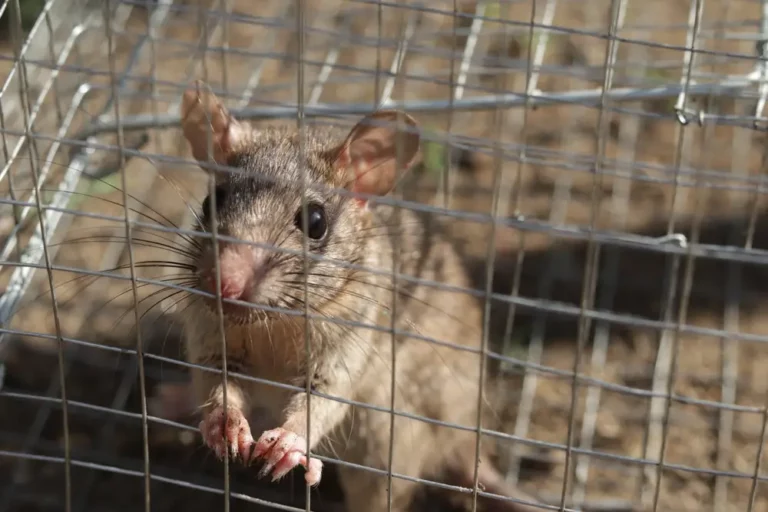
Rat Pest Control Sydney: How Experts Handle Infestations Safely
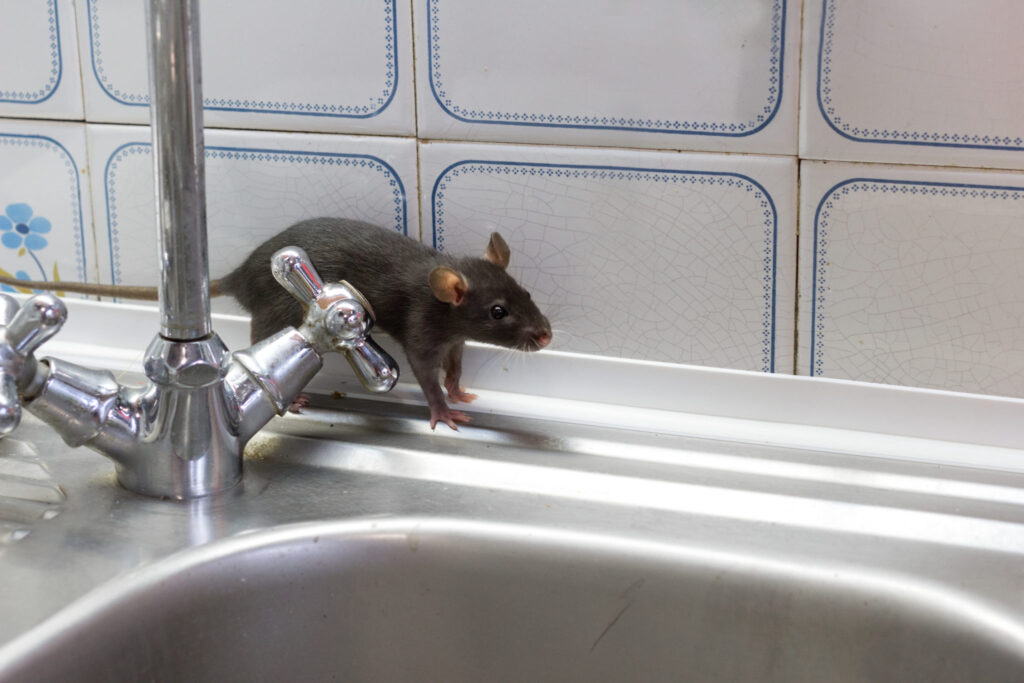
How Do Experts Handle Rat Infestations Safely in Sydney?

Professional pest control experts use comprehensive inspection, targeted treatment, and prevention strategies to eliminate rat infestations safely. Sydney’s urban environment creates ideal conditions for rats to thrive, making infestations a recurring challenge for property owners across residential and commercial settings.

Attempting DIY rat control often leads to incomplete eradication and potential health hazards. Safe rat infestation management requires specialized knowledge of rodent behavior, access to professional-grade equipment, and understanding of proper chemical handling protocols. Licensed professionals rat control sydney bring over 20 years of experience in identifying entry points, implementing strategic baiting systems, and ensuring treatments remain safe for families and pets.

Rat pest control Sydney services combine multiple approaches:

  • Thorough property inspections to assess infestation severity
  • Strategic placement of lockable bait stations
  • Exclusion techniques to prevent future access
  • Regular monitoring to confirm complete eradication

This article explores how experts manage rat infestations through proven methods that prioritize both effectiveness and safety, protecting your health and property from these disease-carrying pests.

What Health Risks and Property Damage Do Rats Cause in Sydney?

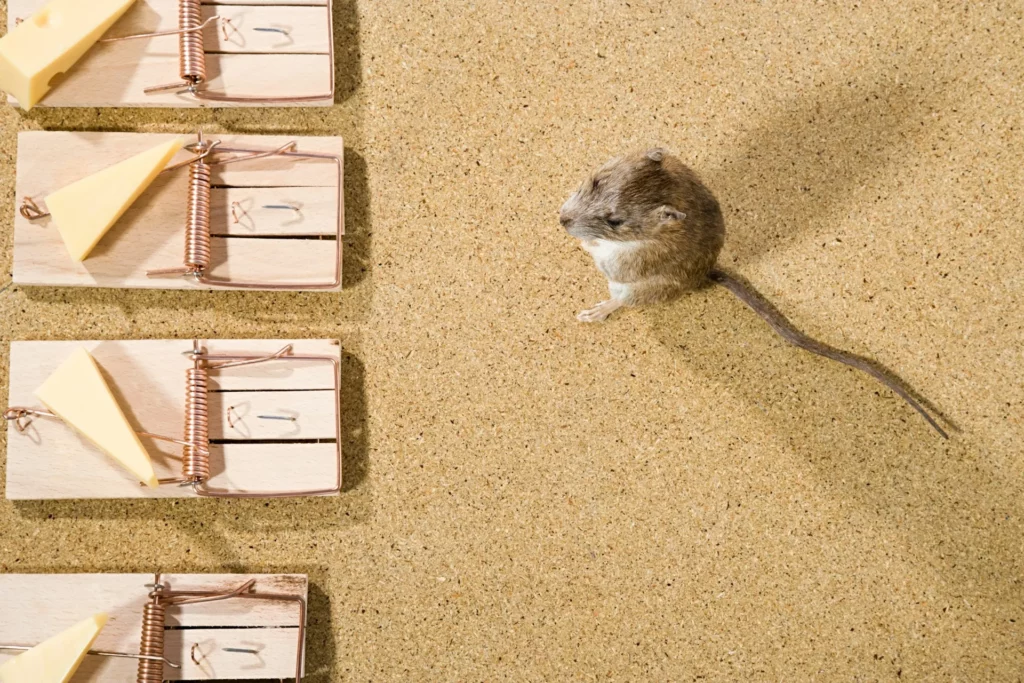
Rats are medium-sized rodents that reproduce at alarming rates, with females capable of producing up to 12 litters per year. This rapid breeding cycle transforms minor intrusions into full-scale infestations within weeks.

Rat Pest Control Sydney: How Experts Handle Infestations Safely
Health Risks Posed by Rats in Sydney

Rats pose significant health risks in Sydney as they can transmit serious diseases through their droppings, urine, and saliva. Here are some of the diseases associated with rats:

  1. Leptospirosis: A bacterial infection that can cause kidney damage and liver failure.
  2. Salmonellosis: A type of food poisoning that leads to severe gastrointestinal distress.
  3. Tularemia: A rare but potentially fatal bacterial disease.
  4. Hantavirus Pulmonary Syndrome: A life-threatening respiratory condition.
  5. Lassa Fever: A viral hemorrhagic illness.

Property Damage Caused by Rats

Rats can also cause significant damage to properties in Sydney. They have a habit of gnawing on various materials to keep their teeth filed down, which can result in destruction of:

  • Electrical wires (creating fire hazards)
  • Wooden structures
  • Plastic pipes
  • Insulation materials

A single rat colony has the potential to compromise the integrity of a building and lead to expensive repair bills.

To effectively address the health risks and property damage caused by rats in Sydney, immediate professional intervention is necessary. Delaying action allows rat populations to multiply rapidly and health hazards to accumulate in living spaces.

How Do Professionals Accurately Identify Rat Infestations?

Professional pest inspectors conduct systematic property assessments to detect rat activity, examining both interior and exterior areas where rodents typically hide. These trained specialists use proven pest inspection techniques to uncover evidence that untrained eyes might miss.

The most common rat infestation signs Sydney experts look for include:

  • Droppings: Dark, pellet-shaped feces approximately 12-18mm long, often found along walls and in cupboards
  • Musky urine odors: A distinctive ammonia-like smell that intensifies in enclosed spaces
  • Gnawed materials: Chew marks on wires, wood, plastic pipes, and food packaging
  • Scratching noises: Sounds within walls, ceilings, or under floors, particularly at night
  • Nests: Shredded paper, fabric, or insulation materials in burrows, crawl spaces, or roof cavities

Rodent detection methods extend beyond visible signs. Inspectors identify entry points by examining gaps around pipes, damaged roof tiles, broken vents, and cracks in foundations. They check for grease marks along walls where rats repeatedly travel, creating dark smudge patterns from their oily fur.

What Safe and Effective Control Methods Do Experts Use to Manage Rat Infestations?

Sydney pest control specialists employ advanced trapping strategies combined with strategic bait placements to maximize capture rates. These rat control methods are specifically tailored to target high-activity areas identified during inspections.

Lockable bait boxes are a crucial part of safe treatment protocols. These tamper-resistant stations protect children and pets from accidental exposure while delivering targeted rodenticide to rats. Professionals place these boxes along established rat pathways for optimal results.

Secure baiting systems work in conjunction with exclusion techniques to create a comprehensive defense. After eradicating the existing population, technicians seal entry points using:

  • Steel wool and metal mesh for gaps and cracks
  • Heavy-duty screening over vents and chimneys
  • Door sweeps and weather stripping for ground-level access points
  • Concrete or metal flashing for foundation vulnerabilities

For protected species like possums, licensed operators adhere to strict wildlife regulations. They utilize humane capture methods and coordinate proper relocation with authorized wildlife handlers, ensuring compliance while addressing all rodent issues on your property.

In addition to these methods, it’s important to consider the broader implications of rat infestations on waterfront facilities, where specific strategies may be required to mitigate their impact effectively.

How Do Experts Ensure Long-Term Eradication of Rats in Sydney?

Rat monitoring Sydney services rely on systematic follow-up visits to confirm complete elimination. Professional pest controllers schedule multiple inspections over 4-8 weeks after initial treatment, checking bait stations, traps, and previously identified activity zones to verify zero rat presence.

These follow-up pest control services include detailed documentation of each visit, tracking consumption rates at bait stations and adjusting placement based on remaining activity patterns. Technicians inspect areas where droppings or gnaw marks were previously found, ensuring no new signs emerge. These visits typically occur at 2-week intervals until three consecutive inspections show no rat activity.

To ensure long-term rodent prevention, experts implement customized control plans designed for specific property types. Residential properties receive quarterly maintenance programs focusing on perimeter protection, while commercial facilities—particularly food service establishments—require monthly monitoring due to higher risk factors. Pest control experts assess infestation severity during initial inspections, then create tailored schedules addressing unique vulnerabilities like building age, surrounding environment, and sanitation challenges.

In addition to these strategies, effective rodent control also involves active monitoring combined with preventative measures. This approach maintains rat-free environments through consistent professional oversight.

Experts recommend three critical prevention measures to keep rats away permanently.

1. Seal Entry Points

Sealing entry points rats commonly use—gaps around pipes, vents, doors, and foundation cracks—blocks their access routes into buildings. Professionals use steel wool, metal mesh, and concrete to close openings as small as 1.5 centimeters, since rats can squeeze through surprisingly tight spaces.

2. Control Waste Disposal

Waste disposal rodent control focuses on eliminating food sources that attract rats. Secure garbage bins with tight-fitting lids, clean up fallen fruit from trees immediately, and store pet food in sealed containers. Compost bins should be properly maintained and positioned away from building perimeters.

3. Conduct Monthly Inspections

Rat prevention tips Sydney experts emphasize include monthly inspections of potential nesting sites:

  • Check crawl spaces, roof cavities, and wall voids
  • Examine garden sheds and storage areas
  • Monitor areas behind appliances and under decking
  • Inspect drainage systems and water sources

Early detection through routine property checks catches warning signs before small problems escalate into full-scale infestations requiring extensive treatment interventions.

How Do Pest Control Companies Balance Effectiveness with Environmental Safety When Dealing with Rat Infestations?

Eco-friendly pest control Sydney companies prioritize treatments that eliminate rats without compromising the safety of households or the environment. Modern pest control professionals select products and methods that target rodents specifically while posing minimal risk to non-target species, including family members and pets.

Safe rodent treatments family pets can coexist with include:

  • Low-toxicity baiting formulations placed in tamper-resistant stations
  • Mechanical traps positioned in areas inaccessible to children and animals
  • Natural deterrents and repellents derived from plant-based compounds
  • Targeted application techniques that limit environmental exposure

Environmentally responsible pest solutions extend beyond product selection. Licensed technicians assess each property’s unique ecosystem, considering factors like native wildlife presence, water sources, and vegetation. This approach ensures rat pest control Sydney: how experts handle infestations safely becomes a reality through balanced strategies that protect both human health and local biodiversity. Professionals avoid broadcast treatments, instead focusing on precision applications that maximize rat elimination while minimizing ecological footprint.

What Emergency Services and Customized Plans Are Available from Pest Control Experts for Urgent Rat Infestations in Sydney?

Emergency rat pest control Sydney services respond to severe infestations within hours, not days. Pest control experts understand that large rat populations pose immediate health threats and require urgent intervention, especially in food service establishments, healthcare facilities, or homes with vulnerable residents.

Professional companies deploy rapid-response teams equipped with industrial-grade trapping systems and commercial baiting solutions for crisis situations. These emergency interventions typically include same-day inspections, immediate treatment implementation, and accelerated monitoring schedules to bring infestations under control quickly.

Customized rodent control plans address the unique characteristics of each property and infestation. Experts assess factors including:

  • Building structure and age
  • Severity and location of rat activity
  • Presence of children, pets, or sensitive individuals
  • Business operations that cannot be disrupted
  • Budget constraints and treatment timelines

Residential properties might receive discreet, family-safe treatments, while commercial kitchens require food-grade approved products with minimal operational downtime. Each plan includes specific treatment protocols, follow-up schedules, and prevention recommendations matched to the client’s circumstances.

Rat Pest Control Sydney: How Experts Handle Infestations Safely
Why Should You Hire Professionals for Safe and Effective Rat Pest Control in Sydney?

Hiring professional rat pest control services in Sydney offers several advantages over do-it-yourself (DIY) methods. Here’s why you should consider hiring experts:

  1. Comprehensive Solutions: Professionals provide complete solutions that address the root cause of the infestation, whereas DIY methods may only offer temporary relief.
  2. Specialized Knowledge: Licensed experts have in-depth knowledge about rat behavior, biology, and effective control techniques that are not commonly known to the general public.
  3. Advanced Equipment: Professionals use specialized tools and equipment that are more effective in eliminating rats compared to household items or traps used in DIY approaches.
  4. Proven Techniques: Experts employ tested and proven methods for rat eradication, ensuring higher success rates than trial-and-error approaches often seen with DIY attempts.
  5. Safety Measures: Professional pest control services prioritize the safety of your family and pets by using eco-friendly products and techniques that minimize harmful exposure.

Attempting self-treatment often leads to incomplete elimination, allowing rats to multiply rapidly and continue spreading disease. Professionals provide safe infestation management through:

  • Accurate identification of infestation severity and entry points
  • Strategic application of treatments minimizing environmental impact
  • Guaranteed follow-up services ensuring long-term protection
  • Compliance with Australian wildlife regulations

Hiring professionals for rat pest control not only ensures effective elimination but also prevents potential health hazards and property damage caused by these pests.

Related : Rodent Control Sydney: Top 5 Eco-Friendly Pest Removal Options

Green Waste Removal

Green Waste Removal Sydney: What Can and Can’t Be Collected?

In the bustling city of Sydney, green waste removal is an essential service that supports both residents and the environment. As urbanisation continues to expand, the importance of effective waste management becomes increasingly apparent. Understanding what can and cannot be collected as green waste is crucial for ensuring that we contribute positively to our local ecosystem. This guide aims to clarify the types of green waste accepted in Sydney, the processes involved, and the significance of proper disposal.

Understanding Green Waste

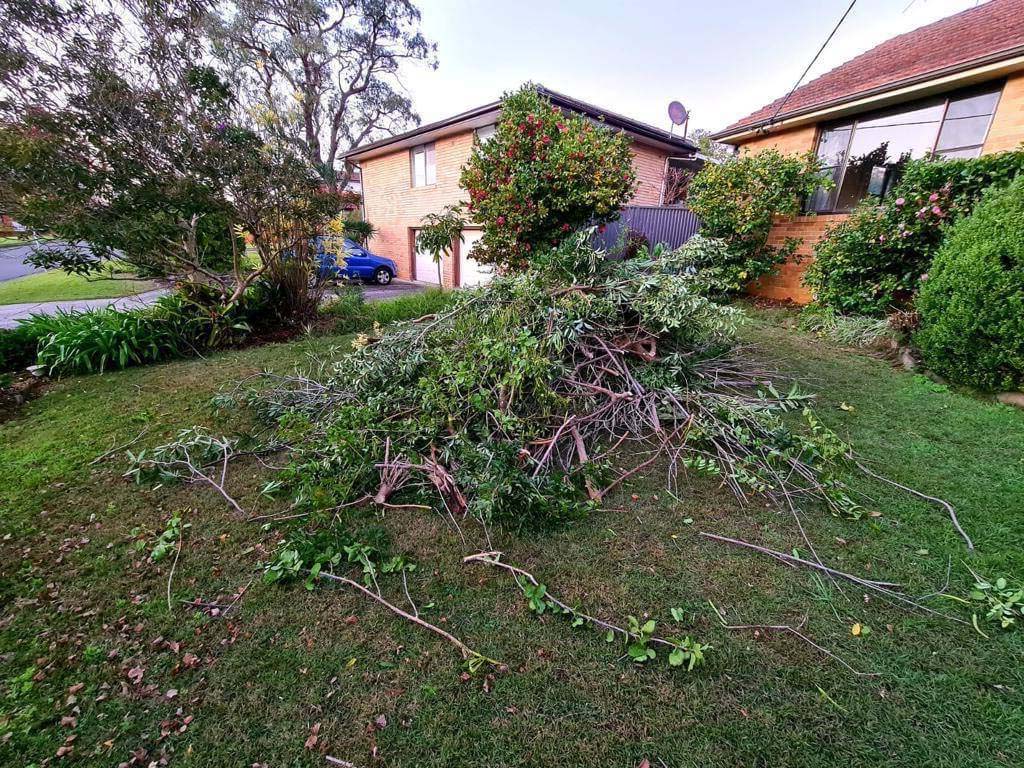
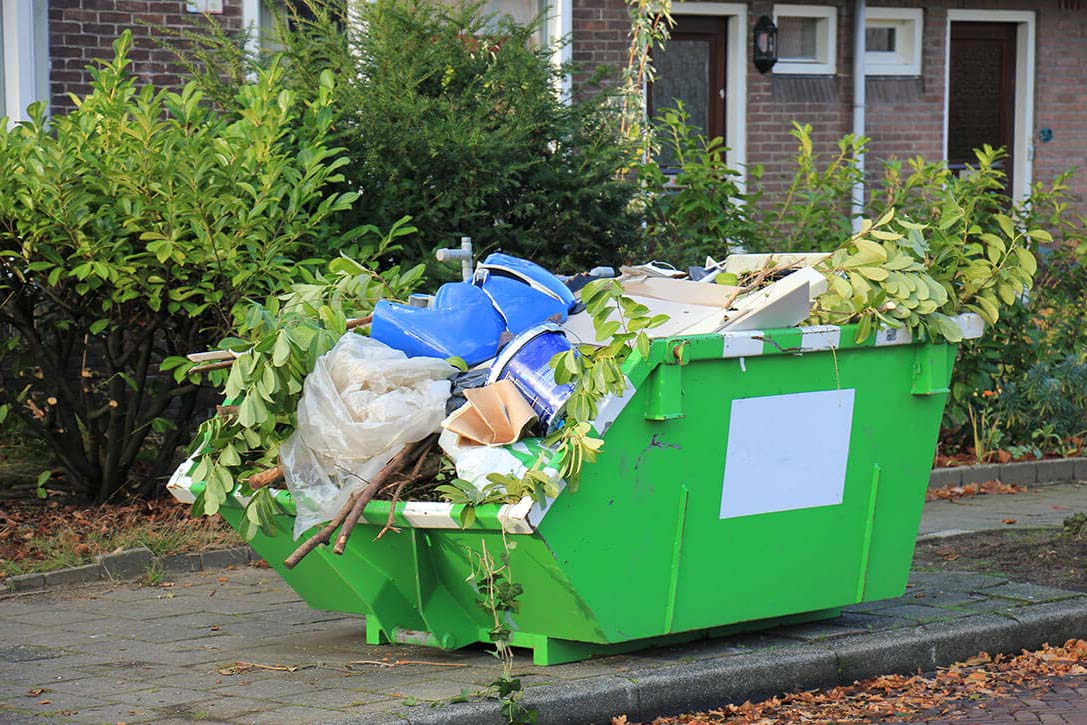
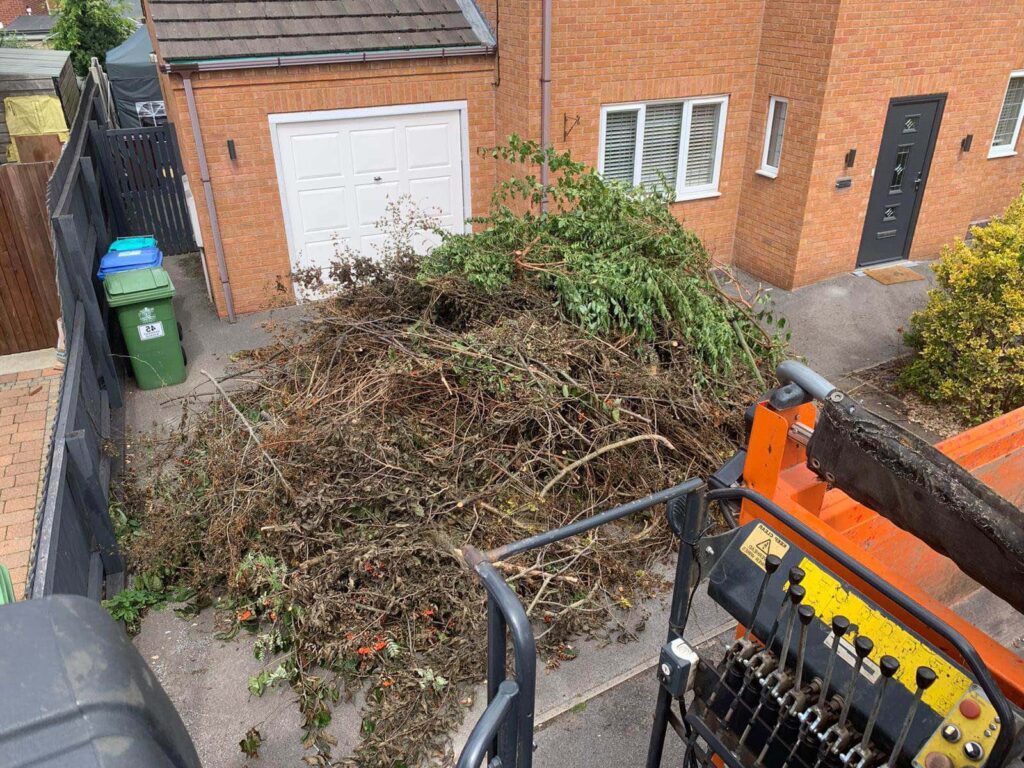
Green waste refers to organic materials that are biodegradable and can be composted or processed into mulch. This includes garden refuse such as grass clippings, leaves, branches, and other plant materials. Professional green waste removal Sydney services play a vital role in managing these materials sustainably, helping divert organic matter from landfills where it would otherwise decompose and release harmful greenhouse gases. For more details on how proper collection and disposal of green waste is handled by professionals, click here.

In Sydney, the recycling of green waste is part of broader initiatives aimed at promoting a circular economy. The NSW Environment Protection Authority (EPA) has been actively working to enhance recycling rates, which reached 66% in 2022–23, up from 63% in 2015–16. This increase reflects a growing awareness of the need for responsible waste management among residents and businesses alike. Learn more also about how often should trees be pruned?

What Can Be Collected as Green Waste?

When it comes to green waste collection in Sydney, there are specific guidelines that residents should follow to ensure compliance and efficiency. Understanding what can be collected is essential for maximising the benefits of green waste recycling.

Green Waste Removal

Acceptable Green Waste Items

  • Grass Clippings: Freshly cut grass is ideal for green waste collection. It decomposes quickly and can be turned into nutrient-rich compost.
  • Leaves: Fallen leaves from trees and shrubs are also accepted. They can be shredded to reduce volume and speed up the composting process.
  • Branches and Twigs: Small branches and twigs, typically up to 10 cm in diameter, can be included. Larger branches may require special handling or disposal methods.
  • Plants and Flowers: Dead or pruned plants, as well as cut flowers, are suitable for green waste collection.
  • Weeds: Weeds can be included, but it is advisable to ensure they are not seeding to prevent further spread.

Preparing Green Waste for Collection

To ensure efficient collection and processing, residents should prepare their green waste properly. This involves:

  1. Sorting: Separate green waste from other types of waste, such as general rubbish or recyclables.
  2. Bagging: Use biodegradable bags or containers for smaller items, while larger branches can be placed in a designated pile.
  3. Volume Limits: Be mindful of volume limits set by local councils to avoid overflow and ensure collection teams can manage the load effectively.

What Can’t Be Collected as Green Waste?

While many organic materials are suitable for green waste collection, there are certain items that should not be included. Understanding these restrictions is crucial for maintaining the integrity of the recycling process.

Prohibited Items

  • Food Waste: Although organic, food scraps should not be included in green waste. Instead, they should be disposed of through dedicated food waste collection services, such as Food Organics and Garden Organics (FOGO) initiatives.
  • Soil and Rocks: Soil, stones, and other non-organic materials can contaminate green waste and should be disposed of separately.
  • Plastic and Non-Biodegradable Materials: Items such as plastic bags, containers, and other non-biodegradable products are strictly prohibited.
  • Large Branches and Tree Stumps: Larger pieces of wood may require special disposal methods and should not be included in regular green waste collections.
  • Diseased Plants: Plants infected with diseases or pests should be disposed of through appropriate channels to prevent spreading.

Consequences of Improper Disposal

Improper disposal of green waste can lead to several issues, including contamination of recyclable materials, increased landfill use, and potential fines from local councils. It is essential for residents to adhere to guidelines to ensure that their contributions to green waste recycling are effective and beneficial.

Green Waste Removal

The Importance of Green Waste Recycling

Recycling green waste plays a significant role in environmental sustainability. By diverting organic materials from landfills, we reduce methane emissions, a potent greenhouse gas produced during decomposition. Additionally, composting green waste returns valuable nutrients to the soil, promoting healthy plant growth and reducing the need for chemical fertilisers.

In 2022–23, New South Wales processed between 1.6 and 2.0 million tonnes of organic waste, primarily converting it into compost and mulch. This not only supports local agriculture but also enhances biodiversity and soil health across the region.

Local Council Initiatives and Services

Many local councils in Sydney offer dedicated green waste collection services, making it easier for residents to manage their organic waste responsibly. These services often include scheduled pickups and drop-off locations for green waste disposal.

Scheduled Collections

Most councils provide regular green waste collection services, typically on a fortnightly or monthly basis. Residents should check their local council’s website for specific schedules and guidelines to ensure compliance.

Drop-off Locations

In addition to scheduled collections, many councils have established drop-off locations where residents can take their green waste. These facilities are often equipped to handle larger volumes and provide an alternative for those who may not have access to curbside collection.

Future of Green Waste Management in Sydney

As Sydney’s population continues to grow, the demand for effective waste management solutions will only increase. The NSW EPA has projected that waste volumes in the state will rise from 21 million tonnes in 2021 to nearly 37 million tonnes by 2041. This highlights the urgent need for enhanced waste management strategies, including improved green waste recycling initiatives.

In November 2024, the EPA introduced legislation mandating the collection of Food Organics and Garden Organics (FOGO) from households and certain businesses. This initiative aims to divert food waste from landfills and further enhance recycling efforts across the state.

Conclusion

Understanding what can and cannot be collected as green waste is vital for residents of Sydney. By adhering to guidelines and participating in local green waste initiatives, individuals can contribute to a more sustainable future for their community and the environment. As we move towards a circular economy, the importance of responsible waste management will only continue to grow, making it essential for everyone to play their part in reducing waste and promoting recycling.

For more information on green waste removal services and guidelines, residents are encouraged to visit their local council’s website or contact their waste management department directly.

FAQs

1. What is considered green waste in Sydney?

Green waste includes organic garden materials such as grass clippings, leaves, branches (up to 10 cm in diameter), weeds, and pruned plants or flowers.

2. What items are not accepted as green waste?

Items like food scraps, soil, rocks, plastics, large tree stumps, and diseased plants cannot be placed in green waste bins. These require separate disposal methods.

3. Can food scraps go into green waste bins?

No. Food scraps should not be placed in green waste bins. Instead, they should be disposed of through Food Organics and Garden Organics (FOGO) programs where available.

4. How should I prepare my green waste for collection?

Separate it from general rubbish, use biodegradable bags for small items, cut branches to the required size, and follow your council’s volume limits to ensure smooth collection.

5. What happens if I put the wrong items in my green waste bin?

Improper disposal can contaminate recycling loads, increase landfill waste, and may result in fines from your local council.

6. How often is green waste collected in Sydney?

Most Sydney councils provide green waste collection on a fortnightly or monthly schedule, but it’s best to check your specific council’s website for details.

7. Why can’t diseased plants go in green waste bins?

Diseased or pest-infected plants risk spreading pathogens during composting. They must be disposed of through alternative methods recommended by councils.

8. How does green waste recycling benefit the environment?

It reduces methane emissions from landfills, returns nutrients to the soil, supports biodiversity, and contributes to Sydney’s move towards a circular economy.

Powered by WordPress & Theme by Anders Norén