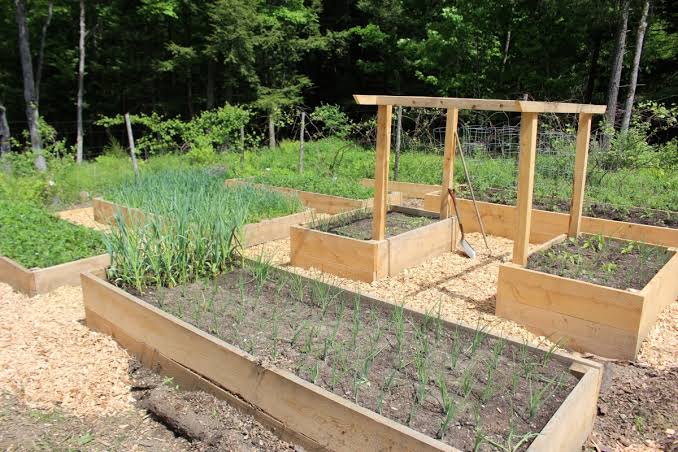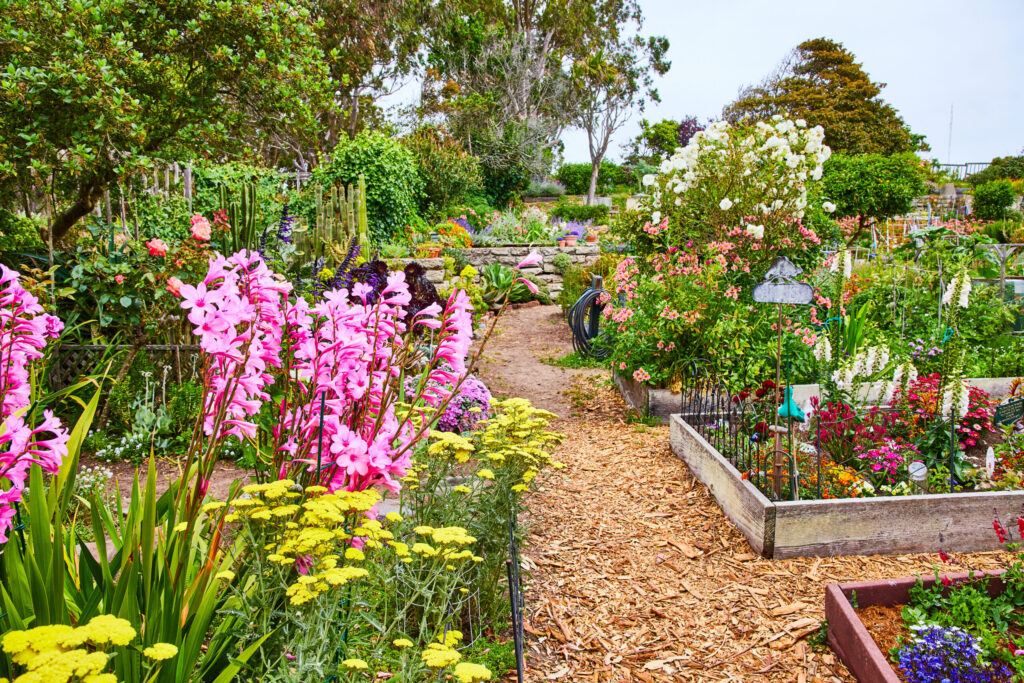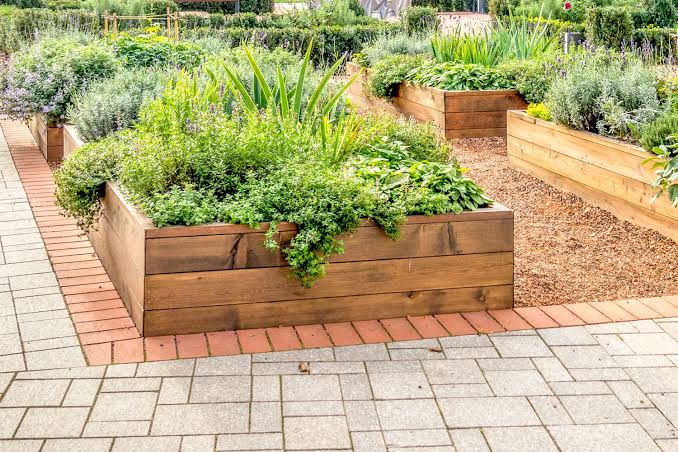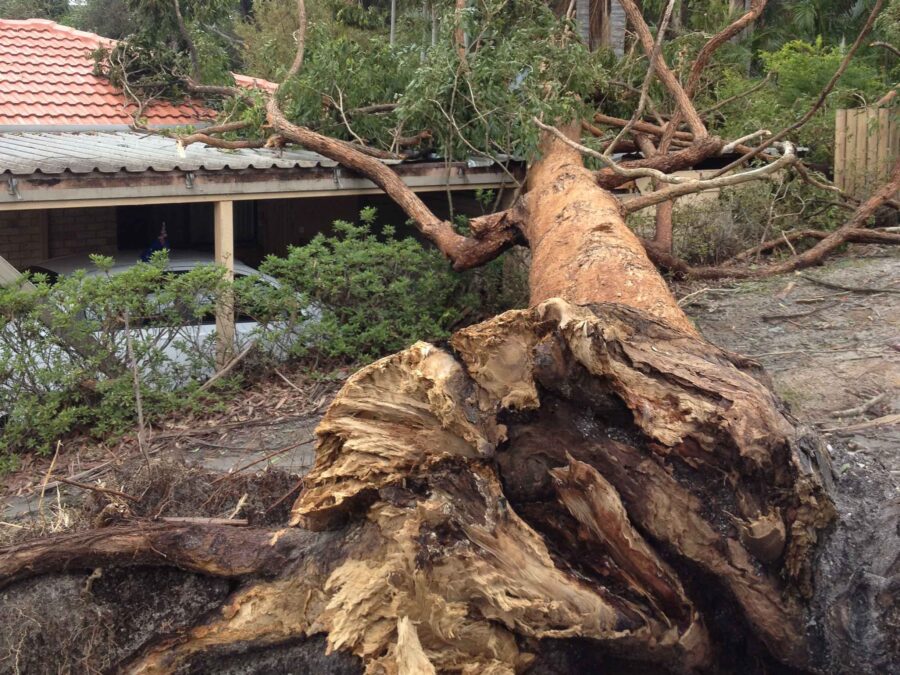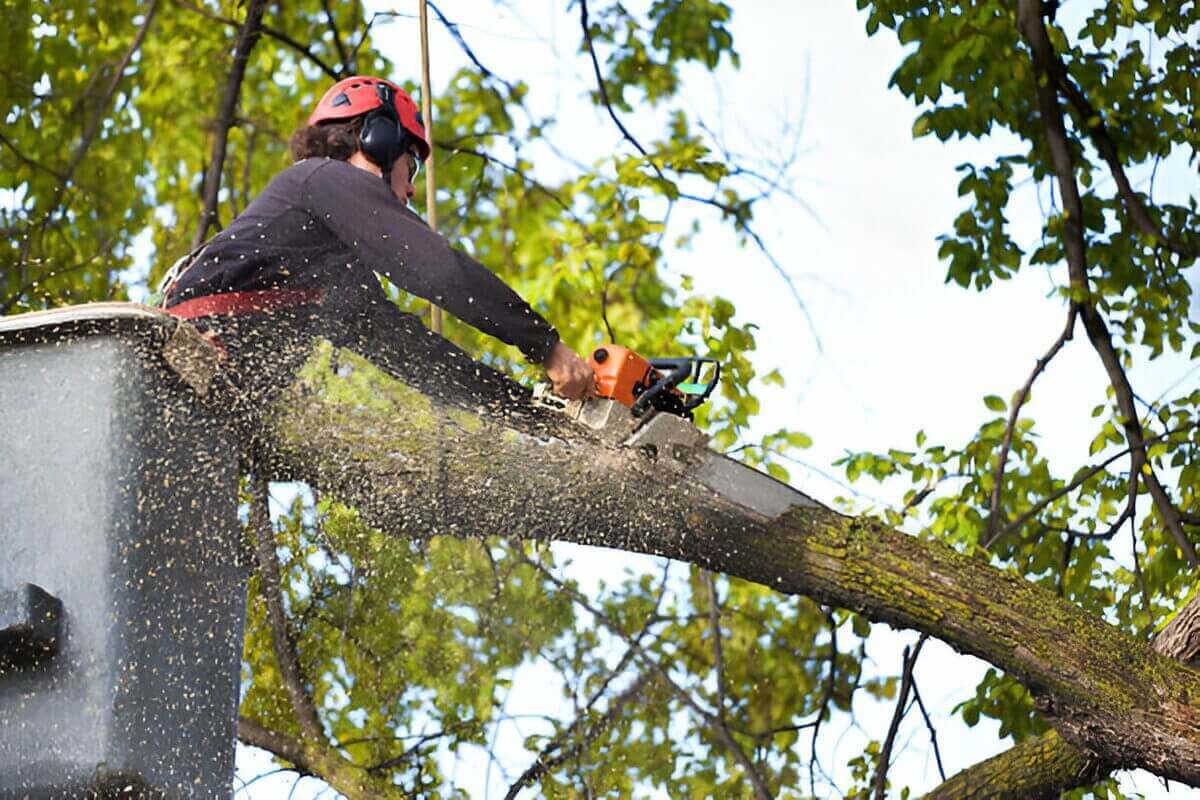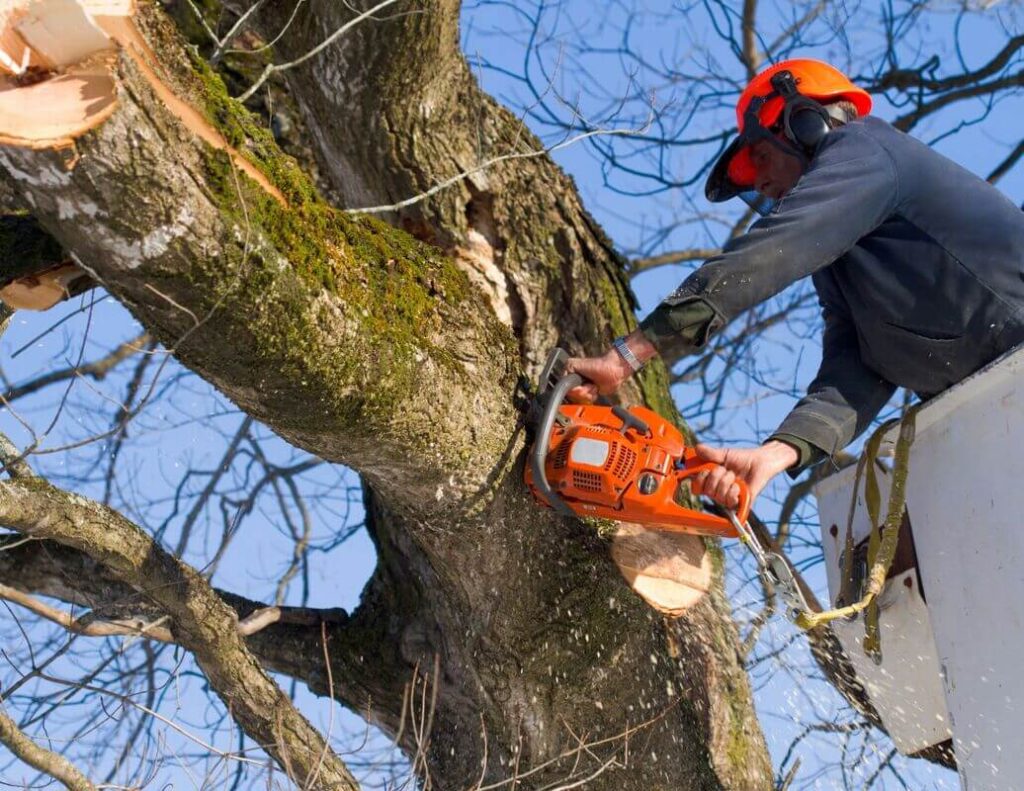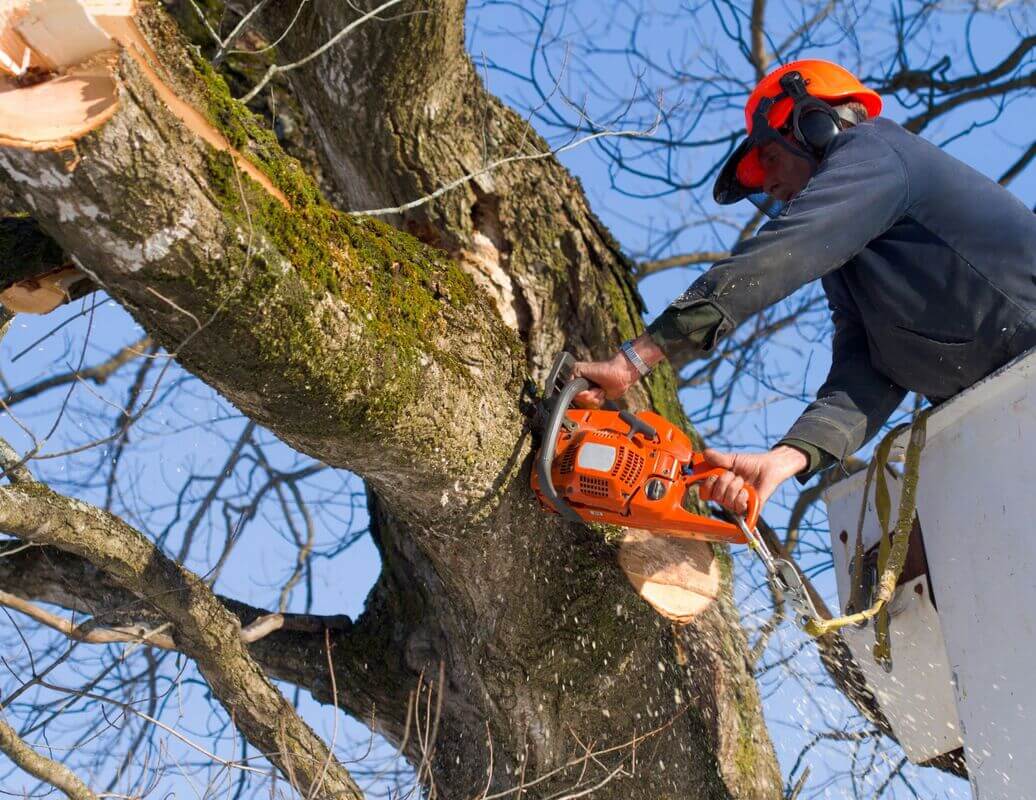

If you had to pick one thing that improves an Australian garden more than anything else per dollar spent, it is mulch. Not fertiliser, not new plants, not irrigation. Wood chip mulch reduces watering by up to 70 percent, suppresses weeds, moderates soil temperature, feeds soil biology as it breaks down, and stops the surface crusting that makes clay soils shed water.
This guide covers the different products sold under the mulch banner, how deep to lay it, the nitrogen argument that will not die, and how to get it cheaply.
What Wood Chip Mulch Actually Is
The NSW EPA mulch requirementsdefine mulch as plant material shredded or screened to a preferred particle size for particular applications. In practice, wood chip mulch comes from three sources: arborist arisings run through a chipper, recycled garden organics processed at a licensed facility, and purpose-milled products such as pine bark.
Quality is largely about what went into the chipper and how consistently it was screened.
The Main Types Compared
Arborist wood chip
Fresh chip straight from a tree crew’s chipper: a mix of wood, bark and leaf. Chunky, variable, and often free. Breaks down within 6 to 12 months, feeding the soil generously. The best all-round garden mulch there is, and the least glamorous looking.
Hardwood chip
Screened, sometimes coloured, uniform particle size. Long lasting, tidy, more expensive. Good for high-visibility beds and pathways. Pine bark
Graded from fine to nuggets. Slightly acidic, slow to break down, attractive dark colour. Excellent for acid-loving plants like azaleas, camellias and gardenias. Tends to float in heavy rain, so avoid on slopes.
Forest mulch / eucalypt blend
Recycled native vegetation, mixed particle size, knits together well and stays put on slopes. Great value in bulk.
Sugar cane and lucerne
Not wood chip mulch at all, but worth mentioning. Fast breakdown, high nutrient value, ideal for vegetable beds. Needs topping up every few months.
Coloured and rubber mulch
Dyed products look sharp for a season then fade. Rubber mulch adds nothing to soil and is a poor choice anywhere plants are grown.
How Deep and How to Apply
Depth is where most people go wrong.
Target 75 to 100mm. Thinner than 50mm and weeds punch straight through. Thicker than 150mm and water struggles to penetrate to the root zone, especially with fine-particle products.
Keep it off the trunk. Piling wood chip mulch against a trunk or stem traps moisture against the bark, encourages collar rot and invites borers. Leave a clear 100mm collar around every trunk. The volcano of mulch you see around street trees is a textbook example of what not to do.
Water before and after. Wet the soil first, lay the mulch, then water again to settle it. Dry mulch laid on dry soil can repel the first rain.
Do not dig it in. Mulch is a surface layer. Incorporating fresh chip into soil is exactly what causes nitrogen problems.
Weed first. Mulch suppresses germinating weed seed. It will not kill established kikuyu or nutgrass.
The Nitrogen Drawdown Myth
You will hear that wood chip mulch steals nitrogen from your plants. This is half true and mostly misunderstood.
Decomposing woody material is carbon rich and nitrogen poor, so the microbes breaking it down draw nitrogen from their immediate surroundings. That interaction happens in the top few millimetres at the mulch-soil interface. It does not extend into the root zone of established plants.
The rule is simple: on the surface, no problem. Dug in, real problem. Research from the University of Queensland on street trees also illustrates the broader value of healthy urban canopy. If you are mulching around seedlings or a newly planted bed, a light application of blood and bone or pelletised manure under the mulch removes any doubt entirely.
Species also matters less than people claim. Concerns about conifer chip acidifying soil are largely overstated; the pH effect of surface-applied wood chip mulch is minimal and transient.
Where to Get It (and What It Costs)
Free from tree crews
The best value going. A crew working in your street would rather drop 5 cubic metres in your driveway than pay tip fees. Ask any tree company for a chip drop. Caveat: you take what you get, including the odd weed seed and lantana stem, and it arrives as a large pile that will not wait.
Bulk landscape supply
Recycled forest mulch: $45 to $75 per cubic metre
Hardwood chip: $65 to $100 per cubic metre
Pine bark, graded: $75 to $120 per cubic metre
Coloured mulch: $90 to $140 per cubic metre
Delivery: $60 to $120 depending on distance and truck size
Bagged
$8 to $15 for 25 to 50 litres. Convenient, and three to four times the bulk price per cubic metre. Only sensible for small beds.
How much do you need?
Area in square metres multiplied by depth in metres equals cubic metres. A 50 square metre bed at 75mm depth needs 3.75 cubic metres. Order slightly over; mulch settles.
Quality and Contamination
Recycled mulch in NSW is regulated through the EPA’s resource recovery order and exemption framework, which sets limits on physical and chemical contaminants before mulch can lawfully be applied to land. Reputable suppliers can tell you which order their product complies with.
What to check on delivery: no plastic, glass or metal fragments; no strong sour or ammonia smell (which indicates anaerobic storage and can mean phytotoxic compounds); no visible weed seed heads; and consistent particle size for the grade you paid for.
If a load smells like vinegar or silage, spread it out and let it air for a week before using it around plants.
Matching Mulch to the Job
Native gardens: forest mulch or arborist chip. Coarse, chunky, matches the ecology.
Ornamental front beds: graded hardwood or pine bark for appearance.
Vegetable beds: sugar cane, lucerne or fine compost. Avoid coarse wood chip mulch here.
Slopes: stringy forest mulch that knits together. Avoid bark nuggets.
Pathways: coarse chip laid 100mm deep, topped up annually.
Around new trees: arborist chip, 75mm deep, out to the dripline, clear of the trunk.
Ask three companies to quote the same tree and you can easily get $900, $2,400 and $4,800. That spread makes people assume someone is ripping them off. Usually nobody is. Tree removal cost Sydney wide is driven by variables that are invisible from the footpath: access, rigging complexity, disposal volume and risk exposure.
This guide breaks down what you should actually pay, what legitimately moves a price, and how to compare quotes that look nothing alike.
The Headline Numbers
Indicative 2026 pricing for the Sydney metropolitan area, all inclusive of green waste removal but excluding stump grinding:
Tree size
Typical height
Price range
Small
Under 5m
$400 – $900
Medium
5 – 10m
$900 – $1,800
Large
10 – 15m
$1,800 – $3,500
Very large
15 – 25m
$3,500 – $8,000
Extra large gum/fig
25m+
$8,000 – $20,000+
Add-ons:
Stump grinding: $120 – $900 depending on diameter
Crane hire: $1,500 – $4,000 per day
Elevated work platform: $600 – $1,500 per day
Traffic control / road permit: $500 – $1,500
Arborist report for council: $400 – $2,500
After-hours emergency callout: 1.5x to 2.5x standard rates
The Seven Factors That Move a Quote
1. Access
The biggest single multiplier. A tree beside a wide driveway where the chipper can park within ten metres might cost half what the identical tree costs in a rear courtyard reached through the house. Every metre of hand-carry is labour.
2. Proximity to targets
A tree in an open paddock can be felled in one cut. The same tree between a house, a pool and a neighbour’s glass conservatory must be dismantled piece by piece, with every limb roped and lowered. That can triple the tree removal cost Sydney contractors quote.
3. Height and trunk diameter
Volume scales roughly with the cube of size. A tree twice as tall is not twice the work, it is closer to six times the material.
4. Species and wood density
Ironbark, turpentine and mature figs are dense, heavy and slow. Poplar and pine cut fast. Fig root plates in particular add serious stump cost.
5. Power lines and services
Work within the approach distances to overhead conductors requires accredited operators and sometimes a network shutdown. That adds cost and lead time, but SafeWork NSW rules on it are non-negotiable.
6. Disposal volume
Tip fees for garden organics are charged by tonne. A large hardwood produces multiple tonnes. Some operators offset this by selling firewood or mulch, which is why they can quote lower. 7. Permits and reporting
A complete quote covers: felling or dismantling, all rigging, cutting to manageable lengths, chipping of brush, removal of all timber and debris, raking and blowing down the site, disposal at a licensed facility, and public liability insurance.
Commonly excluded and worth confirming in writing: stump grinding, removal of grindings, backfill soil, turf repair, fence panel removal and reinstatement, crane hire, traffic control, and council application fees.
Most disputes about tree removal cost Sydney homeowners experience come from these exclusions, not from the headline number.
Why the Cheapest Quote Is Usually the Expensive One
If one quote is 50 percent below the others, something is missing. Common explanations:
No public liability insurance. If a limb goes through the neighbour’s roof, that becomes your civil problem.
No workers compensation. An injured uninsured worker on your property is a serious exposure.
•• Illegal dumping. Under NSW law both the waste owner and the transporter must prove the waste reached a place that can lawfully accept it. Cheap disposal is often no disposal.
Debris left on site. “Removal” that means the tree is on the ground, not gone.
No permit check. You wear the fine, not them.
Cash only, no ABN, no paperwork. No recourse when something goes wrong.
Always ask for a certificate of currency and check the expiry date. It takes two minutes and it is the highestvalue thing you can do.
How to Compare Quotes Fairly
Give every contractor the exact same brief. Written scope, same trees, same expectations about stump and waste. Then compare on these lines:
Is the stump included, and to what depth?
Is all timber removed, or just chipped brush?
Is the price fixed or subject to variation?
What is the crew size and expected duration?
What equipment is being used, and is hire included?
What insurance is held, and can they produce the certificate?
Who lodges the council application?
What is the deposit and payment schedule?
Asking these eight questions will explain almost any tree removal cost Sydney quote spread you encounter.
Ways to Legitimately Reduce the Price
Bundle jobs. Multiple trees in one visit dramatically reduce per-tree cost, because mobilisation is a fixed cost.
Keep the timber. Ask them to leave rounds for firewood and chip for mulch. Less disposal volume, lower price.
Improve access. Take a fence panel off yourself. Move the cars. Clear the side path.
Go off-peak. Winter and early autumn are quieter than post-storm periods.
Coordinate with neighbours. If several properties on a street need work, negotiate a group rate.
Skip the cosmetic extras. Turf repair and soil backfill are cheaper to do yourself.
Insurance and Who Pays
Home insurance generally covers removal of a tree that has already fallen and damaged an insured structure. It generally does not cover preventative removal of a living tree, removal of a fallen tree that damaged nothing, or trees that failed due to neglected maintenance. Read your PDS before assuming.
If a neighbour’s tree damages your property, liability turns on whether they knew or should have known the tree was hazardous. Research from the University of Queensland on street-tree value is useful context when weighing removal against retention. Documented notice matters, which is another reason a written arborist assessment is worth the money.
A branch drops after a storm. Roots start lifting pavers. The neighbour complains about overhang. Or your once healthy gum suddenly looks thin and sad, like it’s quietly giving up.
That’s usually when people start Googling and land on the phrase certified arborist in Sydney. And then the next question is fair. What do they actually do, beyond just cutting stuff down.
Because honestly, a lot of tree work looks the same from the footpath. Truck. Chainsaw. Woodchipper. Job done.
But a proper arborist’s work is way more like tree healthcare, risk management, and long term planning. Sometimes they do remove trees, sure. But that’s usually the last step, not the first.
So let’s break it down in plain language. Here’s what you’re actually paying for when you hire a certified arborist in arborists Sydney.
First, they assess the tree. Properly.
Before anyone climbs, cuts, or quotes, the good ones look. Like really look.
A certified arborist in Sydney will inspect the whole tree, not just the obvious problem spot. They’ll check:
The canopy and leaf density
Deadwood, cracks, hanging limbs
Trunk health, cavities, decay, fungal growth
Branch unions, weak attachments, splits
The base flare and root zone
Soil conditions, drainage, compaction
Signs of pests or disease
And then they connect the dots.
That thinning crown might not be “just summer stress”. It could be root damage from recent digging. Or poor drainage. Or borer activity. Or internal decay you cannot see from the driveway.
A lot of homeowners want a quick answer. But most tree problems are slow, messy, and linked to what’s happening underground.
They identify the species and how it behaves in Sydney
Tree species matters more than people think.
Sydney has everything. Native eucalypts, figs, lilly pillys, paperbarks. Plus exotics that people planted decades ago because they looked nice at the nursery.
A certified arborist in Sydney knows which species tend to drop limbs, which ones tolerate pruning well, which ones hate being cut, and which ones are basically unstoppable once their roots decide to travel.
It’s not just trivia. Species knowledge changes the whole recommendation.
For example, some trees respond well to selective pruning and can be made safer without losing shape. Others get stressed, shoot out epicormic growth, and become more hazardous in a year or two if pruned the wrong way.
That’s where experience shows. Not just tools.
They prune for structure, safety, and tree health
Pruning is not just “make it smaller”.
A good certified arborist in Sydney will prune with a goal, and the goal usually falls into a few buckets:
Deadwood removal
Dead branches are common, especially after heat, drought, or storms. Removing them reduces risk and improves canopy health.
Clearance pruning
Keeping branches off roofs, powerlines, fences, driveways, and walkways. Also improving access and visibility.
Structural pruning
This is the big one, and it’s where you see the difference between an arborist and a person who just owns a saw.
Structural pruning is about guiding the tree’s growth. Reducing weight on long limbs. Correcting poor branch angles. Managing competing leaders. Removing rubbing branches before they cause wounds.
The idea is to reduce failure risk later.
Reduction pruning, done carefully
Sometimes a tree really does need its canopy reduced, but it needs to be done with correct cuts, correct spacing, and a realistic understanding of how the tree will respond.
An overly aggressive prune can create a flush of weak new growth and make the tree more unstable. It can also invite pests and decay through bad cuts.
A certified arborist in Sydney is trained to prune in a way that works with the tree’s biology, not against it. You may like to visit https://www.aciar.gov.au/media-search/blogs/art-pruning to learn more about the art of pruning.
They diagnose pests, disease, and decline
Trees don’t talk. They just show symptoms.
Leaf drop. Yellowing. Dieback. Weeping sap. Bark splitting. Mushrooms at the base. A canopy that looks “off” compared to last year.
A certified arborist in Sydney can often tell whether you’re dealing with:
And they’ll tell you what matters and what doesn’t.
Because some things look dramatic but are manageable. Other things look minor but are a sign the tree is failing internally.
Also, not every “tree problem” needs chemicals. Often the fix is boring. Improve soil. Mulch correctly. Stop mowing too close. Water properly during dry spells. Avoid cutting roots. Give it time.
But you need someone who can interpret what’s going on. That’s a big part of the value of a certified arborist in Sydney.
They assess risk, not just the tree
This is where the job gets serious.
A tree can have defects and still be fine. The real question is: what happens if it fails.
A certified arborist in Sydney looks at:
Target zones (houses, footpaths, play areas, roads)
Tree lean and canopy weight distribution
Defects like cracks, cavities, decay pockets
Root plate stability and soil conditions
Previous failures or storm damage
Site exposure, wind patterns, slope
Risk is a combination of likelihood and consequence. A dead limb over the back corner of a big yard is not the same as a dead limb over a bedroom roof.
Sometimes the advice is prune. Sometimes it’s cable bracing. Sometimes it’s monitoring. Sometimes it’s removal.
And yes, sometimes the tree looks okay to you, but the structure says otherwise. That’s why homeowners hire a certified arborist in Sydney in the first place.
They help with council rules, permits, and protected trees
Sydney tree rules can be… a lot.
Depending on your council, there may be restrictions on pruning and removal. Some trees are protected by size, species, location, or heritage overlays. There are also rules around significant trees, bushland areas, and riparian zones.
A certified arborist in Sydney can help you figure out:
Whether you need approval to prune or remove
What is considered exempt work vs regulated work
How much pruning is allowed
How to document a hazardous tree situation
How to prepare an arborist report for council
This is a big deal because doing unapproved work can lead to fines, neighbour disputes, and a lot of stress you didn’t sign up for.
And when you need a formal report, councils and insurers want professional language, clear findings, and evidence based recommendations. Not just “tree looks dangerous”.
They write arborist reports (and these are not fluff)
If you’re building, renovating, subdividing, or dealing with a dispute, you might need an arborist report.
A certified arborist in Sydney can produce reports for things like:
Development applications and construction impacts
Tree protection zones and root zones
Hazard and risk assessments
Tree valuation (yes, that’s a thing)
Neighbour disputes (overhang, damage, sunlight)
Insurance claims after storms
A decent report includes species ID, measurements, health and structure notes, photos, risk ratings, and clear recommendations.
It’s not thrilling reading. But it can save you thousands if a project gets held up or a conflict escalates.
They do tree removals, but usually with a plan
Sometimes a tree has to go.
Maybe it’s dead. Maybe it’s structurally unsafe. Maybe it’s the wrong species in the wrong place and it’s destroying drains and foundations. Or it’s causing unavoidable risk near a home.
A certified arborist in Sydney doesn’t just cut and leave.
They’ll look at:
The safest dismantling method for the site
Access, rigging points, drop zones
Nearby structures, fences, powerlines
Traffic and pedestrian control if required
Stump grinding options and replanting advice
Removal is often the most visible part of tree work, so people assume that’s the whole job.
But in many cases, removal happens after assessment, risk analysis, maybe a permit, and a decision that other options won’t get you to a safe outcome.
They protect trees during construction (and stop expensive mistakes)
This one is huge in Sydney, where small blocks and renovations are everywhere.
Tree roots don’t respect your new driveway plans. And most tree damage on building sites happens quietly, not dramatically.
A certified arborist in Sydney can help prevent:
Root severing that destabilises the tree later
Soil compaction from machinery
Grade changes that suffocate roots
Trenching that cuts critical root zones
Damage to trunks from stored materials
They’ll recommend tree protection fencing, no go zones, mulch zones, and sometimes alternative construction approaches.
Because losing a mature tree after a renovation is painful. It’s also avoidable, if you plan properly.
They give you a long term care plan, not just a one off fix
This is the part nobody expects, but it’s probably the best part.
A certified arborist in Sydney can help you plan out what your trees need over the next few years, especially if you have multiple trees or a big canopy.
That might include:
A pruning cycle (not random pruning whenever it “looks big”)
Monitoring for known defects or past storm damage
Soil improvement and mulching strategy
Watering guidance for young or stressed trees
Recommendations for replacements if a tree is in decline
Planting advice for the right species in the right spot
Trees are long term assets. They cool homes, add privacy, lift property value, and make a yard feel finished.
But they also need management. Not constant interference. Just sensible, timed care.
So, when should you call one?
Call a certified arborist in Sydney if you notice any of these:
Large dead branches or sudden canopy thinning
Cracks in major limbs or the trunk
Mushrooms or fungal growth near the base
The tree has started leaning more than before
Roots are lifting paving, walls, or structures
You’re planning construction near established trees
You’re unsure about council rules
A tree is close enough to hit a house if it fails
Also, if your gut says, something is not right here. That counts too.
The takeaway
A certified arborist in Sydney is not just a person who cuts trees. They’re part tree specialist, part risk assessor, part advisor, and sometimes part peacekeeper when neighbours get involved.
They help you keep good trees healthy, make risky trees safer, and remove trees only when there’s a solid reason. And they do it in a way that doesn’t create a bigger problem next year.
If you’ve got mature trees, it’s worth treating them like what they are. Living infrastructure. Not just background greenery.
And yeah, I get it. Most people are not trying to dodge rules. They just want the dangerous limb gone, or sunlight back in the yard, or to stop roots pushing up pavers. The tricky part is that Sydney is not one simple rulebook. The permit question depends on where you live, what the tree is, how big it is, why it is being removed, and sometimes even what it used to be (heritage, habitat, etc).
So let’s make it practical. This is the real world guide to when a permit is actually required, when it usually is not, and what to do before you book tree removal services Sydney.
The quick truth first. Sydney rules are council based
In Sydney, approvals for removing or pruning trees are generally managed by your local council under its Tree Preservation Order (TPO) or Development Control Plan (DCP) rules. If you are in the City of Sydney council area, that is one set. Northern Beaches, Inner West, Blacktown, Sutherland Shire, Parramatta, Hornsby. All different.
That is why one neighbour can remove something without paperwork, and you cannot. Different council. Different mapping overlays. Different definitions.
So, when people ask “Do I need a permit?” the honest answer is “Maybe.” Annoying. But we can narrow it down fast.
When a permit is usually required
Here are the scenarios where you should assume you will need approval before removal, unless your council clearly lists an exemption.
1. The tree meets the council’s size threshold
Most councils protect trees above a certain size. The measurement might be:
trunk circumference measured at 1.4m above ground (common)
trunk diameter at 1.4m (also common)
height threshold, sometimes combined with trunk size
If your tree is mature, it probably triggers protection. And if you are already calling tree removal services in Sydney because it is “big and scary”, that is often the exact category councils protect.
2. The tree is in a heritage conservation area or heritage listed property
This catches people out constantly.
You might have a totally normal tree. But the property is heritage listed, or the street sits inside a conservation area, and then the rules tighten. In some areas, even smaller trees can require an application because the canopy contributes to the “character” of the place. It sounds vague because it kind of is.
If you are unsure, check your council’s heritage map or planning certificate, or ask the arborist you are working with to flag it early.
3. The tree is a protected species or significant tree
Some councils list specific species as protected. Others have a “significant tree register” or treat some natives with extra sensitivity. If it is a large native, a fig, an angophora, a spotted gum. Basically anything that looks like it belongs in a postcard. You may need approval.
Even if the species is not listed, councils often care about habitat. Hollows, nesting sites, and food trees can raise the bar.
4. The tree is on a development site or linked to a DA/CDC
If you are building, renovating, doing a driveway, or adding a granny flat and the tree removal is related, approvals can fall under the development approval pathway, not just a simple “tree permit”.
Sometimes people try to do the tree removal first to “simplify” the build. That can backfire. Councils can treat it as unauthorised clearing and that complicates everything.
If the removal is connected to construction, bring it up with your planner or certifier before booking tree removal services in Sydney.
5. The tree is not yours (yes, this happens)
If it is on:
council land (nature strip, verge, park)
a neighbour’s lot but overhanging you
a shared boundary situation where ownership is unclear
You cannot just remove it because it annoys you. Overhanging branches are a separate issue and removal still typically requires owner consent and often council approval.
This is where it gets messy fast. If you are here, slow down and get proper advice before any cutting.
When a permit is often NOT required (common exemptions)
Now the part everyone is hoping for. There are exemptions in many councils, and they are real. But, and this matters, exemptions are still council specific. Do not assume.
Here are the most common ones.
1. Dead trees (sometimes)
Many councils allow removal of a dead tree without a permit, especially if it is clearly dead and not providing habitat. But some still require notification or evidence, because “dead” gets abused as a loophole.
If there are hollows or the tree is large, councils may still want an arborist report or conditions around habitat relocation. Read more about removal of dead wood and dead trees.
2. Imminent risk to life or property (the emergency rule)
If a tree or limb is an immediate hazard, councils commonly allow emergency works to make the site safe.
But the wording “immediate” matters. A tree leaning slightly is not always “immediate”. A split trunk after a storm with a hanging limb over the roof, that usually is.
In emergencies, reputable tree removal services in Sydney will:
take photos before and after
document the hazard
keep notes for council follow up if needed
remove only what is necessary to make safe, if that is what the exemption allows
If you are relying on the emergency exemption, documentation is your best friend.
3. Small trees below the threshold
If the tree is under the protected size, many councils do not require approval. That said, some councils still regulate certain species even when smaller, or apply rules in sensitive zones.
So yes, measure. Do not guess. People guess wrong all the time.
4. Noxious weeds and exempt species
Some councils list exempt species, often invasive or environmental weeds.
Examples often include things like privet, camphor laurel, or certain palms. But lists vary. Also, there are different types of privet and councils sometimes specify which one. Fun.
If your tree is an exempt species, you may be able to remove it without approval, which makes booking tree removal services in Sydney simpler. Still, confirm it against your local council’s exempt tree list.
5. Minor pruning within limits
A lot of councils allow minor pruning without approval, as long as it is not “substantial”. Substantial might mean removing more than a certain percentage of the canopy, or lopping that changes the structure.
If you are planning to “prune it back hard” because it drops leaves, that might cross the line into approval territory. And it can also harm the tree, which councils also care about. Proper pruning, done well, is usually fine. Random topping, not so much.
The big one people ask about. “What if the tree is damaging my property?”
Roots lifting pavers. Cracks in a retaining wall. Blocked pipes. Fallen fruit wrecking the car. This is the point where homeowners feel like removal should be automatically allowed.
Sometimes it is. Sometimes it is not.
Councils often require evidence that:
the tree is the primary cause of the damage (not just nearby)
the damage is significant
other solutions have been considered (root barrier, pruning, repairs)
removal is the only reasonable option
This is where an arborist report can actually help you, not just annoy you. A good report explains cause, risk, and options clearly.
And a good operator offering tree removal services in Sydney can often recommend an independent consulting arborist if you need the report for an application.
How to know which council rules apply to you (fast)
You do not need to become a planning expert. Do this instead:
Step 1: Find your local council
Check your rates notice, council website, or do a quick search of your suburb + council.
Step 2: Search for permit information
Search: “Tree removal permit” + your council name.
Step 3: Look for key policy documents
Look for pages mentioning:
Tree Preservation Order
Tree Management Policy
Exempt species list
Application form for tree works
Step 4: Check for maps or overlays
Check for maps or overlays showing:
heritage conservation
environmentally sensitive land
foreshore or waterway buffers
If you cannot find it in 10 minutes, call the council. Seriously. A two minute call can save you weeks. You may like to visit https://delicious-plants.com/certified-arborist-sydney-trees/ to learn more about what a certified arborist in Sydney actually does for your trees.
The permit process. What it usually looks like
Most councils follow a similar rhythm:
you lodge an application (online or PDF)
you provide details (species, size, location)
you include photos
sometimes you include an arborist report
council may inspect
they approve, refuse, or approve with conditions (like replacement planting)
Timeframes vary. Could be a couple of weeks. Could be longer.
This is why you do not want to book tree removal services in Sydney first and then realise you are waiting on paperwork. Get the approval path sorted early.
What happens if you remove a tree without approval?
This is the bit people do not like hearing. Councils can issue:
fines
orders to replace the tree (sometimes with advanced stock)
legal action in serious cases, especially in heritage areas or repeat offences
Also, if you are in the middle of selling a house, unauthorised works can pop up in a building and pest or due diligence process. It is just another headache you do not need.
A practical checklist before you hire anyone
Before you lock in tree removal services in Sydney, run this list. It is simple, but it catches most problems.
What council area am I in?
Is the tree above the protected size threshold?
Is the property heritage listed or in a conservation area?
Is the tree an exempt species?
Is it dead or storm damaged, and do I have photos?
Is it clearly hazardous, and can that be documented?
Do I need an arborist report for an application?
Is the tree on my property and fully my responsibility?
If you cannot confidently answer at least the first two, pause and check.
Choosing a company that will not make the permit issue worse
Not every operator handles approvals the same way.
A solid provider of tree removal services in Sydney will usually do at least one of these:
ask you about council and thresholds upfront
measure the tree properly
tell you if it looks protected and recommend confirming approval
provide photos, site notes, and safe work documentation
work with consulting arborists when reports are needed
The red flag is someone who says “No worries, council never checks.” That is not expertise. That is a future problem.
Common Sydney scenarios (so you can sanity check your own)
A few patterns I see a lot:
Large gum in the backyard, healthy, shading the house. Usually protected, usually requires approval.
Dead or storm split tree after heavy wind. Often exempt for emergency works, but document everything.
Small ornamental tree under threshold. Often no permit, unless in heritage or special overlay.
Camphor laurel or listed weed species. Often exempt, but confirm the species first.
Big tree on the verge. Council owned. You cannot remove it privately, permit or not.
Wrapping it up without making it complicated
Most of the time, permits come down to three things: size, location overlays, and reason for removal.
If your tree is big, or your property is heritage affected, or you are removing it for convenience rather than safety, assume you will need approval. If it is small, exempt, or an emergency hazard, you might not.
And if you are still unsure, that is normal. It is not you. The system is genuinely a bit patchy.
Just do the basic checks first, then book tree removal services in Sydney with someone who takes the permit side seriously. That combination saves money, saves time, and avoids that awful moment where you realise the job is done but the paperwork was meant to come first.
If you want the simplest next step, go look up your council’s tree page, measure the trunk at 1.4m, and take a few clear photos. Those three things answer most permit questions faster than anything else.
In Sydney, this matters because trees sit close to homes, power lines, footpaths, and neighbours. A small defect can become a big problem during storms, heatwaves, or heavy rain.
What does “tree health and risk” actually mean to an arborist?
An arborist Sydney professional looks at both tree health and risk. Tree health is the tree’s current condition and its capacity to keep growing normally, while risk is the chance a tree, or part of it, will fail and cause harm. When trees are assessed as posing a significant safety hazard or are no longer viable to retain, professional tree removal services may be recommended as part of responsible arboricultural management. https://treesdownunder.com.au/tree-removal.
They do not just ask “is it healthy?”. They ask “what could fail, how likely is it, and what would it hit?”.
How do they start an on-site tree health assessment?
They usually begin with a site walk-around and a 360-degree visual inspection. This helps them understand the tree’s context before focusing on specific defects.
They also note what the tree is overhanging, who uses the area, and what has changed recently, like construction, trenching, or soil level changes.
What can the canopy tell them about a tree’s condition?
The canopy is one of the fastest indicators of vitality. Sparse foliage, small leaves, dieback at branch tips, and uneven growth often signal stress.
They also look for dead wood, weak unions, and branches with heavy end-weight. In Sydney, sudden canopy thinning can also follow heat stress, drought, or root damage from nearby works.
What do they check on the trunk and bark?
The trunk reveals many structural issues. They look for cracks, splits, cavities, bulges, and areas where bark has sloughed off.
They also assess old pruning wounds, previous storm damage, and signs of internal decay. A trunk can look solid while being compromised inside, so they pay attention to subtle cues like seam-like ribs, hollow sounds, or fungal growth.
How do they assess the base and root zone for hidden problems?
Many tree failures begin below eye level. They check the root flare, buttress roots, and soil around the base for instability.
Common concerns include soil heave, new leaning, exposed roots, waterlogging, and compaction. They also look for recent excavation, driveway works, or new retaining walls that may have cut roots or changed drainage.
What signs of pests and diseases do they look for in Sydney?
They look for leaf spotting, abnormal shedding, borer holes, frass, sap bleeding, and canopy decline patterns that match common local issues. They also watch for fungal fruiting bodies, which can indicate decay.
Importantly, they focus on impact, not just presence. A tree can host pests or fungi without being high risk, but widespread symptoms plus structural defects change the picture.
How do they judge whether a branch is likely to fail?
They assess branch attachments, cracks, included bark, and the balance between branch length and diameter. Overextended branches and multiple stems with tight junctions are common risk points.
They also consider load factors. A branch over a driveway, a playground, or a roof is assessed more conservatively than one over open lawn.
What role do tree species and history play in their decision?
Species matters because different trees fail in different ways. Some are more prone to limb drop under heat stress, while others tolerate pruning poorly or decay faster after wounding.
They also factor in the tree’s history. A tree that has been topped, repeatedly lopped, or damaged by machinery often has weaker regrowth and a higher long-term failure risk.
How do they account for storms, wind exposure, and site conditions?
Risk is not just about the tree. It is also about the forces acting on it and the conditions around it.
They consider prevailing winds, slope, soil type, drainage, and whether the tree is sheltered or newly exposed. In Sydney, storms can follow long dry spells, so trees with compromised roots or decay can fail suddenly when rain softens the soil.
How do they estimate “targets” and consequences if a tree fails?
A target is anything that could be hit, like a house, car, fence, powerline, or a frequently used footpath. Arborists consider both what could be struck and how often people are actually there.
This is why two similar trees can receive different recommendations. A defect over a quiet back corner is not assessed the same as the same defect over a busy entry path. Click here to read more about safe tree work.
When do they use tools or advanced testing instead of visual checks?
Visual assessment is often enough for routine decisions, but they may use tools when the defect is unclear or consequences are high. They might probe cavities, use mallets for sound changes, or measure trunk dimensions and lean.
For higher-value or higher-risk situations, advanced testing can include resistograph drilling or sonic tomography, usually when internal decay must be confirmed before deciding on major pruning or removal.
How do they turn observations into a clear risk rating?
They typically combine three elements: likelihood of failure, likelihood of impact, and severity of consequences. This keeps the assessment grounded and repeatable.
They also avoid treating risk as “safe” or “unsafe”. Most trees sit in the middle, where sensible pruning, monitoring, or site changes can reduce risk without removing the tree.
What recommendations do they usually give after the assessment?
Most recommendations aim to reduce risk while retaining the tree where possible. Common actions include deadwooding, selective pruning, weight reduction, and bracing in specific situations.
They may also recommend mulching, soil improvement, pest management, or irrigation changes when decline is linked to stress. If the tree is structurally unsound or decline is advanced, removal and replacement may be recommended.
How often do they recommend monitoring rather than immediate work?
Monitoring is common when defects exist but are not urgent, or when the tree is responding to treatment. They may suggest re-inspection after a storm season, after construction completes, or within 6 to 12 months depending on the issue.
This approach suits many Sydney properties where trees are valuable for shade and amenity, and where careful staged management is better than drastic action.
What should property owners prepare before booking an arborist in Sydney?
They should note any recent changes, such as renovations, trenching, new paving, or changes in watering. Photos showing how the canopy has changed over time can also help.
They should also be clear about their concerns, like falling branches, neighbour disputes, or shading. With that information, an arborist can focus the assessment and provide recommendations that are practical and defensible.
What is the key takeaway about how arborists assess tree health and risk?
They assess tree health and risk by looking at structure, vitality, site conditions, and targets as one connected system. The best assessments are not about fear or blanket removal, but about understanding what is happening and choosing the lowest-impact step that meaningfully reduces risk. For practical guidance on selecting a reliable local provider, read how to choose a trusted tree service near you in Sydney.
For Sydney property owners, that usually means a clear inspection, a sensible plan, and knowing when to act now versus when to monitor.
FAQs (Frequently Asked Questions)
What does ‘tree health and risk’ mean to a Sydney arborist?
To a Sydney arborist, tree health refers to a tree’s current condition and its ability to continue growing normally. Risk is the likelihood that the tree or any part of it may fail and cause harm. They assess not just if the tree is healthy, but also what could fail, how likely it is, and what might be impacted.
How does a Sydney arborist conduct an on-site tree health assessment?
A Sydney arborist begins with a site walk-around and a 360-degree visual inspection to understand the tree’s context. They observe what the tree overhangs, who uses the area, and any recent changes like construction or soil level alterations before focusing on specific defects.
What indicators in the canopy help determine a tree’s condition?
The canopy reveals vitality through foliage density, leaf size, branch tip dieback, and growth patterns. Sparse foliage, small leaves, uneven growth, dead wood, weak unions, and heavy end-weight branches often signal stress due to factors like heat stress, drought, or root damage.
Why is assessing the trunk and bark important in evaluating tree health?
The trunk can show structural issues such as cracks, splits, cavities, bulges, bark loss, old pruning wounds, storm damage, and internal decay signs. Since internal problems may not be visible externally, subtle cues like hollow sounds or fungal growth are carefully checked.
How do Sydney arborists evaluate risks related to branches?
They examine branch attachments for cracks or included bark and assess the balance between branch length and diameter. Overextended branches or tight multi-stem junctions are common risk points. The potential load is considered more critically if branches overhang driveways, playgrounds or roofs.
What role do site conditions and environmental factors play in assessing tree risk in Sydney?
Site conditions like prevailing winds, slope, soil type, drainage, and exposure influence risk assessment. In Sydney’s climate, storms following dry spells can cause sudden failures in trees with compromised roots or decay when soil softens after rain.
A trusted tree service should protect people, property, and trees where possible. They should also explain what they are doing, why it is necessary, and what it will cost before any saw is started.
What does a “trusted” tree service in Sydney actually mean?
When searching for a tree service near me, a trusted provider is one that works legally, safely, and transparently. They use trained staff, proper equipment, and documented processes rather than shortcuts. If you want to understand how professional tree removal services operate with safety, compliance, and transparency, click here.
They should be able to show insurance, relevant qualifications, and a clear written quote. They will also discuss risk, access, and what happens to waste and stumps after the job.
Are they properly insured for tree work?
They should carry public liability insurance that specifically covers tree work, not just general gardening. If something goes wrong, the homeowner should not be left exposed.
They should be willing to provide a current certificate of currency. If they hesitate, change the subject, or cannot email it through quickly, that is usually a sign to keep looking.
Do they have the right qualifications and experience?
They should have trained arborists and climbers, not just labourers with chainsaws. In Sydney, good operators can usually point to recognised arboriculture training and strong on-the-job experience.
They should also be able to explain tree health, pruning standards, and risk in plain English. If they only talk about “cutting it back” without discussing structure or regrowth, they may be treating every job the same way.
Will they check council rules and approvals in your area?
They should ask about the suburb and council early, because Sydney tree rules vary widely. Some trees are protected by species, size, heritage overlays, or local development controls.
A trusted company will advise whether approval may be needed and what evidence helps, such as photos, arborist reports, or risk justifications. If they promise to “just do it” without mentioning council considerations, the homeowner could inherit the problem later.
Do they offer an on-site assessment rather than quoting blindly?
They should inspect the tree and site before locking in a price. Photos can help for a rough estimate, but proper quoting needs a look at access, lean, powerlines, targets, and drop zones.
On-site, they should ask practical questions about gate width, driveways, pets, neighbours, and timing. They should also flag anything that changes the plan, such as decay, deadwood, or unstable soil.
Is the quote clear, itemised, and in writing?
They should provide a written quote that states exactly what is included. That usually means the scope, number of trees, what pruning is being done, and what will be removed.
A strong quote also clarifies stump grinding, waste removal, woodchipping, log retention, and whether they will leave mulch. If it is vague, the homeowner may end up paying extra for “unexpected” steps that should have been discussed upfront.
Do they explain safety and risk management on the day?
They should describe how the site will be made safe, including exclusion zones and traffic or pedestrian control if required. Tree work can be unpredictable, so a safety-first approach matters.
They should also talk about how they manage nearby structures, fences, pools, and gardens. If the plan is simply “we’ll be careful”, that is not a plan.
Are they equipped for difficult access and tight Sydney blocks?
They should be used to Sydney’s narrow side paths, steep driveways, and tight urban backyards. The right gear, such as rigging systems, lowering devices, and chippers sized for access, reduces risk and damage.
They should also explain whether they will climb, use an elevated work platform, or bring in a crane, and why. A trusted provider chooses methods that match the tree and site, not just what is easiest for them. Learn how arborists in Sydney assess tree health and risk before recommending any pruning or removal work.
How can reviews and local reputation be checked properly?
They should have consistent feedback across more than one platform, not just a handful of perfect reviews. Homeowners should look for detail in comments about punctuality, clean-up, communication, and how issues were handled.
It also helps if they can share recent local jobs in nearby suburbs, with before-and-after photos. A reputable operator is usually proud of their work and can show it.
Do they handle waste removal and clean-up to a high standard?
They should clearly confirm what happens to branches, logs, and sawdust. Many disputes come from different expectations about “tidy” versus “fully removed”.
A trusted service typically rakes, blows down hard surfaces, and removes debris unless the homeowner requests otherwise. They should also clarify whether they will protect lawns and gardens from heavy equipment and repeated foot traffic. Visit https://www.safeworkaustralia.gov.au/taxonomy/term/27 to read more about plant, equipment and structures.
Can they spot when a tree should be pruned, not removed?
They should not push removal as the default option. Often, correct pruning, deadwood removal, or crown reduction is enough to reduce risk while keeping the tree healthy.
They should explain the trade-offs, including how the tree may respond over time. If they recommend removal without discussing alternatives, it may be because removal is easier to sell than careful pruning.
What red flags suggest they are not trustworthy?
They should not pressure homeowners into same-day decisions with vague scare tactics. They also should not offer cash-only deals that avoid paperwork.
Other common red flags include refusing to provide insurance documents, quoting far below everyone else without explanation, and dismissing council rules. Poor communication is another warning sign because tree work depends on clear planning and follow-through.
How should homeowners compare two or three tree services fairly?
They should compare quotes on scope and outcomes, not just price. One quote may include full removal and stump grinding, while another only includes cutting to ground level and leaving waste.
They should also compare professionalism: how clearly the company explains risk, how quickly they provide documentation, and whether they show up on time for the inspection. The best choice is usually the one that makes the process feel controlled and predictable.
What final checks help them book with confidence?
They should confirm the job date, start time, and who will be on site. They should also confirm access arrangements, parking needs, and whether neighbours should be notified.
Before work begins, they should ensure the written quote matches what was discussed, including clean-up and stump handling. If everything is clear in writing, the homeowner is far more likely to get a smooth, safe result.
FAQs (Frequently Asked Questions)
What defines a trusted tree service near me in Sydney?
A trusted tree service in Sydney operates legally, safely, and transparently. They employ trained staff, use proper equipment, hold relevant insurance and qualifications, provide clear written quotes, and communicate openly about risks, access, and waste disposal before starting any work.
How can I verify if a Sydney tree service is properly insured?
Ensure the tree service carries public liability insurance specifically covering tree work. They should willingly provide a current certificate of currency promptly. Hesitation or refusal to share insurance documents is a red flag indicating you should keep looking.
Why is it important for tree services to check local council rules in Sydney?
Sydney’s council regulations on trees vary widely by suburb, including protections based on species, size, heritage overlays, or development controls. A reputable company will inquire about your location early to advise if approvals are needed and help gather necessary evidence like photos or arborist reports to avoid future legal issues.
What should I expect from a professional on-site tree assessment?
A professional will inspect the tree and site before providing a firm quote. They’ll consider access, tree lean, powerlines, drop zones, and practical factors like gate width, driveways, pets, neighbours, and timing. They will also identify any conditions that might alter the plan such as decay or unstable soil.
How detailed should the written quote from a Sydney tree service be?
The quote should clearly itemise the scope of work including number of trees, pruning details, removal plans, stump grinding, waste removal methods, woodchipping options, log retention policies, and whether mulch will be left behind. Vague quotes risk unexpected extra costs later.
What are some red flags indicating an untrustworthy tree service in Sydney?
Beware of companies pressuring for immediate decisions with scare tactics, offering cash-only deals avoiding paperwork, refusing to provide insurance documents, quoting significantly lower prices without explanation, dismissing council regulations, or showing poor communication throughout the process.
This guide explains what each service typically covers, when to choose one over the other, and what to ask before they book.
What does a rat exterminator in Sydney actually do?
A Rat Exterminator Sydney specialist focuses specifically on rodents, usually rats and mice, and the behaviours that make them hard to control. A Rat Exterminator Sydney will typically inspect for entry points, nesting areas, runways, droppings, rub marks, and gnawing damage, then build a plan around how rodents are moving through the property.
They usually combine trapping and baiting with targeted recommendations to reduce access to food, water, and shelter. Many Rat Exterminator Sydney professionals also offer proofing advice, such as sealing gaps, improving subfloor ventilation, and securing bin storage.
What does a general pest service in Sydney usually cover?
A general pest service is designed to manage a broad range of common household pests. That often includes cockroaches, spiders, ants, silverfish, fleas, and occasionally wasps or bed bugs depending on the provider.
Their work is frequently preventive and perimeter-based. They may apply residual treatments, dusts, or gels in likely harbourage areas and set up a routine schedule. Some general pest providers also offer rodent control, but it can be a smaller part of their standard service.
How do their approaches differ in practice?
Rodent control is more investigative and access-driven than most insect jobs. Rats are clever, cautious, and mobile, so the strategy often hinges on correct identification, placement, and follow-up rather than a single application.
General pest work, by contrast, often relies on broad coverage and residual barriers. That can be effective for insects, but rats require different tools, different monitoring, and more emphasis on exclusion, because killing a few without blocking entry can leave the core problem untouched.
Which service is better for active rats in the roof, walls, or kitchen?
A rat exterminator is usually the better fit when there are clear signs of active rodents, such as scratching at night, fresh droppings, grease marks, or chewed packaging. They are more likely to prioritise locating entry points and placing traps or stations where rats actually travel.
General pest services can help if rodents are minor or occasional, but if the issue is established, clients often need a rodent-specific plan with structured follow-ups.
What equipment and treatments are typically different?
Rodent-focused services commonly use snap traps, multi-catch traps, tamper-resistant bait stations, tracking dusts where appropriate, and motion or chew indicators for monitoring. They also spend more time on access checks around eaves, subfloors, garages, sheds, and service penetrations.
General pest services more commonly use residual sprays, insecticidal dusts, gels, and targeted treatments for crawling and flying insects. When they do include rodents, it may be limited to basic bait station placement without deeper proofing support.
How important is proofing and exclusion for rats?
Proofing is often the difference between short-term relief and long-term control. Rats can re-enter quickly if gaps, broken vents, or poorly sealed pipes are left open, and they can squeeze through surprisingly small spaces.
Rat exterminators typically push harder on exclusion because it reduces reliance on ongoing baiting. General pest services may mention proofing, but their standard packages often focus more on treatment than building improvements, unless the client requests it.
Does the risk profile change the type of service they should choose?
Yes. Rats carry health risks through droppings, urine, and parasites, and they can contaminate food areas. They also cause property damage by gnawing wiring, timber, and insulation, which can create secondary risks such as electrical faults.
Where children, pets, food businesses, or vulnerable residents are involved, a rodent specialist is often preferred because they are more likely to implement safer placement, clearer monitoring, and a tighter plan for removal and prevention.
Are follow-up visits more common with rat extermination?
They usually are. Effective rodent control often requires follow-up to adjust trap placement, replenish or remove baits, confirm activity has stopped, and review proofing progress.
Many general pest services operate on a quarterly or annual routine aimed at prevention. That schedule can be too slow for an active rat issue, where shorter intervals are often needed to break the cycle quickly.
Can a general pest service handle rats well in some cases?
They can, especially if the provider has a dedicated rodent programme, experienced technicians, and clear exclusion guidance. Some general pest companies are well equipped for rodents, while some “rat exterminator” operators may still be limited in their approach.
The key is what is included: inspection depth, trapping strategy, proofing recommendations, and follow-up structure. Labels matter less than the actual scope of work.
What questions should they ask before booking either service?
They should ask what the inspection covers and whether the technician will check roof voids, subfloors, and external entry points. They should also ask what methods will be used, how bait stations are secured, and how risks to pets and children are managed.
It also helps to ask about follow-ups, what “success” looks like, and whether proofing is included, optional, or referred out. A clear written plan is a strong sign they are dealing with rodents properly. Check out more about Sydney Restaurant Pest Control (NSW Health Compliant).
What’s the simplest way to choose between them?
If there are active signs of rats, a rat exterminator style service with a rodent-first plan is usually the best starting point. If the problem is mainly insects and they want broad prevention, a general pest service is usually more cost-effective.
When both issues exist, they may be best served by a general pest provider that also offers a dedicated rodent programme, or by combining rodent eradication first and general pest prevention afterwards.
What’s the bottom line?
A rat exterminator in Sydney is typically more specialised, more inspection-led, and more focused on access points, trapping strategy, and proofing. A general pest service in Sydney usually covers a wider range of pests and leans more heavily on routine preventive treatments.
Choosing the right service comes down to the problem they have today. For urgent, noisy, or clearly active rodent activity, specialist rodent control is usually the faster route to a lasting result.
FAQs (Frequently Asked Questions)
What is the main difference between a rat exterminator and a general pest service in Sydney?
A rat exterminator specialises specifically in controlling rodents like rats and mice, focusing on inspection, trapping, baiting, and proofing to address access points and rodent behaviour. A general pest service covers a broader range of household pests such as cockroaches, spiders, ants, and occasionally rodents, often emphasising preventive treatments and perimeter-based control rather than detailed rodent management.
When should I choose a rat exterminator over a general pest service for rodent problems?
If there are clear signs of active rodent infestation—such as scratching noises at night, fresh droppings, grease marks, or chewed packaging—a dedicated rat exterminator is recommended. They provide a targeted rodent-first plan with thorough inspection, trapping strategies, proofing advice, and structured follow-ups. General pest services may suffice for minor or occasional rodent issues but might not offer comprehensive control for established infestations.
What kind of treatments and equipment do rat exterminators use compared to general pest services?
Rat exterminators typically use snap traps, multi-catch traps, tamper-resistant bait stations, tracking dusts where appropriate, and monitoring tools like motion or chew indicators. They also conduct detailed access checks around eaves, subfloors, garages, sheds, and service penetrations. General pest services primarily employ residual sprays, insecticidal dusts, gels for insects, and may include basic bait station placement for rodents without extensive proofing support.
How important is proofing and exclusion in effective rat control?
Proofing and exclusion are crucial for long-term rodent control as rats can re-enter through small gaps such as broken vents or poorly sealed pipes. Rat exterminators emphasise sealing entry points to reduce reliance on ongoing baiting. While some general pest providers mention proofing, their standard packages usually focus more on treatment than structural improvements unless specifically requested by the client.
Do rat extermination services require more frequent follow-up visits than general pest services?
Yes. Effective rodent control often necessitates multiple follow-up visits to adjust trap placements, replenish or remove baits, confirm cessation of activity, and assess proofing progress. General pest services typically operate on quarterly or annual schedules aimed at prevention which may be insufficiently frequent for active rodent infestations requiring quicker intervention.
What questions should I ask before booking a rat exterminator or general pest service in Sydney?
Ask what the inspection entails—whether it includes roof voids, subfloors, and external entry points. Inquire about the methods used for treatment and how bait stations are secured to protect pets and children. Clarify the schedule for follow-ups, definitions of success in eradication efforts, and whether proofing is included or available as an option. A clear written plan indicates thorough handling of the rodent problem.
NSW Health standards expect food businesses to prevent pest entry, remove harbourage, and act fast when activity is detected. The good news is that staying compliant is very doable when a restaurant treats pest control as a system, not a one-off callout.
What do NSW Health standards expect restaurants to do about pests?
They expect restaurants to actively prevent pests and keep the premises free from infestation. If there is evidence of pests, they must take immediate steps to eradicate them and stop them returning through effective termite control and broader pest management measures.
In practice, this means a documented, ongoing approach: blocking entry points, maintaining hygiene, protecting food, and using a competent pest controller when required. Environmental Health Officers can assess these controls during inspections, especially where there are complaints, sightings, or sanitation issues related to termite control and other pest risks.
Why are Sydney restaurants at higher risk of pest activity?
They are often surrounded by dense foot traffic, bins, laneways, and neighbouring food businesses, which increases pest pressure. Warm weather, humidity, and older building stock can make harbourage and entry easier.
Late-night trade also matters. When kitchens operate for long hours, there are more opportunities for food debris, grease build-up, and propped-open doors, all of which attract pests. Even well-run venues can see sudden spikes if a nearby site has an outbreak.
Which pests most commonly cause compliance issues in restaurants?
Cockroaches, rodents, and flies cause the majority of problems because they spread contamination and are hard to control without consistent prevention. Stored product pests (like beetles and moths) can also appear when dry goods are poorly rotated or sealed.
Inspectors and diners notice signs quickly: droppings, smear marks, egg cases, dead insects near lights, and fly activity near food prep. Any of these can trigger enforcement action if the venue cannot show effective controls.
What does a “pest-proof” restaurant setup look like?
It looks like a building that gives pests very few ways in, and even fewer places to hide. The key is tight exclusion combined with routine housekeeping.
They should focus on door sweeps, sealed gaps around pipes, intact flyscreens, and self-closing doors on external entries. Inside, clutter-free storage, raised shelving, sealed containers, and clear floor-wall junctions reduce harbourage and make monitoring easier.
How should restaurants manage waste areas to stay compliant?
They should treat waste areas as a primary pest risk zone. Overflowing bins, leaking liquids, and uncovered food scraps are some of the fastest ways to attract rodents and flies.
Bins should be lidded, lined, and cleaned on a schedule, not “when they smell”. Grease traps and waste oil storage need special attention because they can attract cockroaches and rodents. The surrounding ground should be washed down, and drains should be functioning and screened.
What should a compliant pest control programme include?
It should include monitoring, prevention, and documented treatment, not just reactive spraying. Restaurants should be able to show what is being checked, how often, what was found, and what actions were taken.
A strong programme usually includes routine inspections, calibrated baiting where appropriate, targeted treatments based on evidence, and clear recommendations for site repairs. It also includes a follow-up loop, because one treatment without fixes often leads to repeat activity.
How often should a Sydney restaurant schedule pest control visits?
They should base frequency on risk, not guesswork. Most busy venues benefit from monthly servicing, while lower-risk sites might manage with less frequent visits if monitoring remains strong.
Higher-risk conditions include shared walls, laneway bins, older buildings, late-night operation, or previous rodent activity. If there are repeated sightings, increased service frequency and a deeper investigation are usually needed until activity is under control.
What records should restaurants keep for NSW Health inspections?
They should keep pest control reports, site plans of bait and monitor locations (if used), service schedules, and evidence of corrective actions. If the pest controller makes recommendations, the venue should keep proof they acted on them, such as maintenance invoices or photos.
Staff pest sighting logs are also useful. A simple notebook or digital log that records date, location, pest type, and action taken can demonstrate active management, especially when paired with professional reports.
How can staff training reduce pest risks and compliance problems?
It reduces risk because staff are the ones who see issues first and control daily habits. A programme fails if it relies only on a technician visit while daily practices stay the same.
They should train staff to seal food properly, rotate stock, clean under equipment, and report sightings immediately. Front-of-house staff should also know what to do if a customer reports a pest, including who to notify and how to record it. For official guidance, refer to this resource on identifying pest signs and related diseases.
What are the biggest mistakes that lead to repeated infestations?
The biggest mistake is treating symptoms rather than causes. Spraying without fixing entry points, cleaning schedules, or storage habits often results in a short-lived improvement followed by another outbreak.
Other common mistakes include propping doors open, storing cardboard in kitchens, allowing gaps under external doors, and ignoring “small” signs like a single cockroach sighting. In pest control, early action is usually cheaper and more effective than a delayed response.
How should restaurants choose a pest control provider in Sydney?
They should choose a provider that specialises in food premises and can show a clear, compliance-focused approach. The provider should be willing to explain findings, not just apply products.
A good operator typically offers detailed reports, monitoring plans, and practical recommendations that fit kitchen operations. They also understand that restaurants need discreet servicing, safe product selection, and minimal disruption, while still achieving measurable control.
What should a restaurant do if they spot pests right before an inspection?
They should act immediately and document everything. That means isolating affected areas, disposing of contaminated stock if required, deep cleaning, and arranging an urgent pest service.
They should also identify the likely source: a broken door seal, a spill behind equipment, a bin lid left open, or a new stock delivery brought in with pests. Fixing the cause and recording the corrective actions can make the difference between a minor issue and a serious compliance outcome.
How can restaurants stay compliant long-term without overpaying?
They can save money by investing in prevention and using treatments strategically. Exclusion, hygiene, and monitoring reduce the need for heavy chemical use and frequent emergency callouts.
The most cost-effective approach is usually a steady servicing schedule, clear staff processes, and quick maintenance response when vulnerabilities appear. When restaurants treat pest control as part of food safety, they tend to see fewer incidents, smoother inspections, and stronger customer confidence.
What are the NSW Health standards for pest control in Sydney restaurants?
NSW Health standards require restaurants to actively prevent pest entry, eliminate harbourage, and respond promptly to any pest activity. This involves a documented, ongoing approach including blocking entry points, maintaining high hygiene standards, protecting food properly, and engaging competent pest controllers when necessary to ensure compliance.
Why do Sydney restaurants face higher risks of pest infestations?
Sydney restaurants often face increased pest pressure due to factors like dense foot traffic, proximity to bins and laneways, neighbouring food businesses, warm weather, humidity, and older building structures. Extended operating hours also contribute by creating more opportunities for food debris and open doors that attract pests.
Which pests most commonly cause compliance issues in Sydney food establishments?
Cockroaches, rodents, and flies are the primary pests causing compliance challenges in restaurants because they spread contamination and are difficult to control without consistent prevention measures. Stored product pests such as beetles and moths can also appear if dry goods are not properly rotated or sealed.
How should waste areas be managed in restaurants to prevent pest problems?
Waste areas must be treated as high-risk zones by ensuring bins are lidded, lined, and cleaned regularly—not just when odours arise. Grease traps and waste oil storage require special attention as they attract cockroaches and rodents. Surrounding grounds should be washed down frequently, with drains maintained and screened to prevent pest access.
What constitutes an effective pest control programme for Sydney restaurants?
An effective programme includes regular monitoring, preventive measures, documented treatments based on evidence, routine inspections, calibrated baiting where appropriate, targeted interventions, clear recommendations for site repairs, and follow-up actions. It is a proactive system rather than reactive spraying alone.
How can staff training help reduce pest risks and maintain compliance in restaurants?
Training staff empowers them to identify early signs of pests and adopt daily habits that minimise risk—such as proper food sealing, stock rotation, thorough cleaning under equipment, and immediate reporting of sightings. Front-of-house staff should also know how to handle customer reports professionally to support overall pest management efforts.
Finding the best tree loppers near me is a priority for many Sydney homeowners facing overgrown branches or hazardous leaning trees. However, in 2026, the distinction between a “lopper” and a professional arborist has never been more critical. While a quick search might yield dozens of local options, the risks associated with unqualified tree work—ranging from property damage to severe legal liabilities—are substantial.
In the complex urban landscape of Sydney, professional tree care is no longer just about aesthetics. It is about risk management, environmental compliance, and long-term property value. This guide explores why choosing a licensed professional with $20 million public liability insurance is the only way to ensure your home and family remain protected.
Understanding Tree Lopping vs. Professional Arboriculture
To the untrained eye, cutting a tree seems straightforward. However, the industry makes a sharp distinction between “tree lopping” and “arboriculture.”
What is Tree Lopping?
Tree lopping generally refers to the indiscriminate cutting of tree branches or stems. It often involves “topping,” which is the practice of removing the top of the tree to reduce its height. While this provides a quick fix for a view or a perceived hazard, it often leads to:
Weak Regrowth: Epicormic shoots grow back faster but are weakly attached.
Tree Stress: Removing too much canopy starves the tree of energy.
Disease: Large, ragged cuts become entry points for pests and fungi.
What is a Professional Arborist?
A professional Sydney arborist is trained in the science of tree care. They follow Australian Standard AS 4373-2007 (Pruning of Amenity Trees). Their goal is to maintain the structural integrity and health of the tree while mitigating risk to the surrounding environment.
The Critical Importance of $20 Million Public Liability Insurance
When searching for “tree loppers near me,” the most important question you can ask is: “Are you insured for $20 million?”
In 2026, this has become the industry benchmark for high-quality Sydney tree services. Here is why this specific figure matters:
1. High-Density Living Risks
Sydney’s residential areas often feature homes in close proximity to power lines, neighbors’ fences, and swimming pools. If a heavy limb falls incorrectly, the damage can easily exceed six figures.
2. Personal Injury Coverage
Tree work is statistically one of the most dangerous professions. If an uninsured worker is injured on your property, you, as the homeowner, could be held liable for their medical expenses and lost wages. A $20 million policy ensures the contractor’s insurance handles these catastrophic costs.
3. Protection Against Underground Utilities
Modern Sydney homes are connected via complex underground networks of fiber optics, gas, and water. A professional arborist carries insurance that covers “vicarious liability,” protecting you if a stump grinding operation accidentally hits a utility main.
Benefits of Hiring a Licensed Sydney Arborist
Hiring a certified professional provides more than just peace of mind; it offers tangible benefits for your property.
Precision and Specialized Equipment
Licensed arborists use high-tech equipment including spider lifts, wood chippers, and stump grinders designed to work in tight urban spaces without damaging your lawn or driveway.
Compliance with Local Council Regulations
Every Sydney council (from the Northern Beaches to the Inner West) has specific Tree Preservation Orders (TPOs). Removing or significantly pruning a tree without a permit can result in fines exceeding $100,000. A professional arborist understands these local laws and can assist with the permit application process.
Enhanced Property Value
Healthy, well-maintained trees can add up to 10% to 15% to a property’s market value. Conversely, a hacked, dying tree is a liability that buyers will negotiate against.
The Step-by-Step Professional Tree Removal Process
If you have identified a hazardous tree, here is the standard framework a professional team will follow:
Site Inspection & Hazard Assessment: Identifying targets (houses, power lines) and assessing the tree’s lean and structural integrity.
Permit Verification: Ensuring all Sydney council approvals are in place.
Rigging Setup: Using ropes and pulleys to lower large sections of the tree safely to the ground.
Controlled Felling or Sectioning: Dismantling the tree piece by piece.
Debris Management: Mulching branches on-site and removing the trunk.
Stump Grinding: Removing the stump below ground level to prevent regrowth and tripping hazards.
Common Mistakes When Choosing “Tree Loppers Near Me”
Avoid these frequent pitfalls to ensure your project goes smoothly:
Chasing the Lowest Quote: A significantly lower price usually means the contractor is cutting corners on insurance, safety gear, or staff training.
Ignoring Online Reviews: Check for recent, local Sydney reviews that mention professionalism and cleanup.
Accepting Verbal Agreements: Always demand a written quote that specifies the scope of work, total cost, and insurance details.
Not Checking Qualifications: In Australia, look for a minimum Certificate III in Arboriculture.
Tree Care Best Practices for Sydney Homeowners
To minimize the need for emergency lopping, follow these maintenance tips:
Annual Inspections: Have an arborist check your trees before the summer storm season.
Mulching: Apply organic mulch around the base of your trees to retain moisture during Sydney’s hot spells.
Proper Watering: Deep, infrequent watering is better for root health than light, daily sprinkling.
Avoid Root Damage: Never park heavy vehicles or store construction materials under the “drip line” of a tree.
FAQ: Hiring Tree Services in Sydney
1. Do I need council permission to prune a tree in Sydney?
In most cases, yes. While some “exempt” species exist, most Sydney councils require a permit for pruning more than 10-15% of a tree’s canopy. A licensed arborist can confirm your local TPO rules.
2. How much does tree removal cost in Sydney in 2026?
Costs vary based on tree size, location, and accessibility. On average, small trees start at $500, while large, complex removals can range from $2,500 to $8,000+.
3. Why is $20 million the standard for insurance?
Many commercial contracts and local government bodies now require $20 million as a minimum to cover the extreme costs associated with modern litigation and high-value property damage.
4. Can I prune a tree that is overhanging from my neighbor’s yard?
Under NSW law, you can usually prune branches back to your property line, but you must not damage the health of the tree or trespass. It is always best to consult an arborist to ensure the cut is legal and safe.
5. What is the best time of year for tree pruning?
While emergency work happens year-round, late winter is often ideal for many Sydney species, as trees are dormant and wounds heal faster in the spring.
Conclusion: Make the Safe Choice for Your Sydney Property
When looking for the best tree loppers near me, remember that the cheapest option is rarely the safest. In 2026, the complexity of Sydney’s urban environment demands a higher standard of care. By choosing a licensed arborist with $20 million public liability insurance, you are protecting your home, your financial security, and the health of the local ecosystem.
Proper tree maintenance is an investment, not an expense. Ensure your trees remain an asset to your property rather than a hazard.
Would you like me to generate a list of internal linking opportunities or create a custom schema markup for this article?
Internal Linking & Authority Suggestions
Internal Linking (Anchor Text Suggestions):
Sydney tree removal services
Emergency tree work Sydney
Arborist report for council
Stump grinding benefits
Hedge trimming Sydney
Authoritative External References:
Standards Australia: Search for “AS 4373-2007 Pruning of Amenity Trees” to understand the national requirements for tree care.
NSW Land and Environment Court: Reference their “Trees (Disputes Between Neighbours) Act 2006” for legal guidance on boundary tree issues.
How Do Flower Delivery Services in Crows Nest Support Local Gifting Traditions?
Flower delivery services in Crows Nest play a crucial role in the suburb’s gifting culture, helping residents maintain meaningful relationships through thoughtful floral gestures. These local businesses offer fresh, expertly arranged bouquets that are delivered straight to people’s doors, making it easy for community members to celebrate special occasions, offer condolences, or brighten someone’s day.
The Unique Character of Crows Nest
Crows Nest is a lively area on Sydney’s Lower North Shore, where café culture meets a warm residential atmosphere. The suburb is home to a mix of young professionals, established families, and long-term residents who value personal connections. This diverse community has developed a gifting culture that prioritises authenticity and thoughtfulness over generic gestures.
Understanding the Neighbourhood’s Needs
Flower delivery Crows Nest services thrive because they understand the rhythm of the neighbourhood. They know which hospitals serve the area, recognise the importance of timely deliveries for funeral services at nearby venues, and appreciate that a birthday bouquet arriving at a workplace on Willoughby Road carries special meaning. These florists don’t just deliver flowers—they facilitate small acts of kindness that strengthen community bonds.
The Importance of Reliable Services
The tradition of giving flowers is deeply rooted in Australian culture, but it needs accessible and dependable services to thrive. When residents can order arrangements that reflect their true feelings and trust they’ll arrive fresh and on time, gifting becomes effortless instead of stressful. This accessibility changes how Crows Nest residents show care, turning fleeting thoughts of appreciation into tangible, beautiful gestures that recipients can enjoy for days.
What Sets Flower Delivery Services in Crows Nest Apart?
Local flower delivery services in Crows Nest distinguish themselves through their commitment to fresh floral arrangements sourced from quality suppliers and delivered at peak freshness. The proximity of these florists to their customers means flowers spend less time in transit, arriving with vibrant colours and longer vase life compared to arrangements shipped from distant locations.
Experienced florists form the backbone of Crows Nest’s flower delivery excellence. These skilled artisans possess deep knowledge of seasonal blooms, colour theory, and design principles that transform simple bouquets into memorable gifts. Their expertise ensures each arrangement suits the occasion perfectly, whether it’s a romantic gesture featuring classic red roses or a sympathy tribute with elegant white lilies and native Australian greenery.
The seasonal approach to floral design brings particular value to customers. Rather than relying on imported blooms that lack freshness, local florists craft arrangements using flowers at their seasonal peak. Spring arrangements might showcase tulips and freesias, whilst summer designs feature sunflowers and gerberas. This seasonal rotation guarantees optimal quality and supports sustainable floristry practices.
Same-day delivery Crows Nest services provide unmatched convenience for last-minute gifting needs. When someone forgets an anniversary or receives unexpected good news worth celebrating, local florists respond quickly. Orders placed during business hours typically reach recipients the same day, eliminating the anxiety of delayed deliveries.
The combination of these three elements creates a superior gifting experience:
Freshness guarantee – Flowers arrive in pristine condition with days of beauty ahead
Artisan craftsmanship – Each arrangement reflects professional design standards
Local florists maintain relationships with trusted suppliers, allowing them to hand-select stems each morning. This quality control process ensures only the finest blooms enter their workshops. Wilted petals, damaged leaves, or inferior specimens never make it into customer arrangements, maintaining the reputation these businesses have built within the community.
How Do Local Florists Like Sarina’s Florist Enhance the Gifting Experience?
Local florists transform ordinary flower purchases into personalised floral gifts that reflect the sender’s genuine care and attention. Establishments like Sarina’s Florist bring expertise in understanding individual preferences, creating bespoke arrangements that capture specific emotions and relationships rather than offering generic bouquets.
The personal touch begins with consultation. Florists take time to understand the recipient’s favourite colours, flower types, and the message the sender wishes to convey. This tailored approach ensures each arrangement carries meaning beyond its aesthetic appeal, making the gift memorable and distinctive.
What Occasions Benefit from Personalised Floral Services?
Crows Nest florists cater to life’s full spectrum of moments, from joyous celebrations to solemn remembrances. Their versatility ensures appropriate arrangements for every circumstance:
Birthday celebrations: Vibrant, cheerful bouquets featuring seasonal blooms in the recipient’s preferred palette
Romantic gestures: Elegant roses, peonies, and other romantic flowers arranged to express love and affection
Funeral tributes: Respectful sympathy arrangements crafted with sensitivity and appropriate colour schemes
New baby celebrations: Soft, delicate arrangements in pastels complementing the joy of welcoming new life
Each occasion demands different floral language and presentation styles. Experienced florists understand these nuances, selecting blooms that communicate the right sentiment whilst maintaining seasonal freshness and visual impact.
How Do Complementary Gift Options Elevate Flower Deliveries?
Complementary gift options transform simple flower deliveries into comprehensive gift experiences. Sarina’s Florist and similar local providers offer carefully curated additions that enhance the floral centrepiece:
Gourmet hampers featuring artisan chocolates, premium teas, or wine selections
Scented candles that extend the sensory experience beyond visual beauty
Celebratory balloons adding festive energy to birthday and congratulatory arrangements
Greeting cards with personalised messages handwritten by the sender
Soft toys perfect for baby celebrations or adding whimsy to romantic gifts
These additions allow senders to
How Flower Delivery in Crows Nest Meets the Various Needs of the Community
Flower delivery services in Crows Nest adapt to the varied schedules and requirements of local residents through flexible timing options. Business and evening deliveries accommodate both working professionals who need gifts sent during office hours and those requiring after-work delivery to homes, typically extending until 7 PM or later.
The community’s diverse institutional landscape receives specialised attention from local florists. Hospitals, nursing homes, and aged care facilities throughout Crows Nest benefit from dedicated delivery protocols that respect facility guidelines and visiting hours. Schools receive birthday surprises and teacher appreciation arrangements, while workplace deliveries brighten office environments for colleagues celebrating milestones or needing encouragement.
Timed delivery services address the precision required for significant life events. Funeral services demand exact arrival times to coordinate with ceremony schedules, ensuring floral tributes arrive before proceedings begin. Birthday surprises benefit from specific morning or afternoon slots, whilst anniversary deliveries can be scheduled to coincide with romantic dinners or special moments. You may like to visit https://www.pmc.gov.au/government/anniversary-messages to get more about anniversary messages.
The geographic concentration of Crows Nest’s residential and commercial areas enables florists to offer multiple delivery windows throughout the day. This proximity allows for:
Morning deliveries before 10 AM for workplace surprises
Lunchtime slots for hospital and care facility visits
Afternoon deliveries to schools and businesses
Evening options for residential addresses
How Flower Delivery in Crows Nest Supports Local Gifting extends beyond simple transportation. Florists coordinate with reception staff at apartment buildings, communicate with hospital wards about patient locations, and navigate the specific requirements of aged care facilities regarding flower types and arrangements suitable for residents with health considerations.
How Flower Delivery Supports the Local Economy and Fosters Community Spirit in Crows Nest
Supporting the Local Economy
Flower delivery businesses directly strengthen Crows Nest’s local economy by keeping revenue within the suburb’s commercial ecosystem. When residents choose neighbourhood florists instead of national chains or online-only retailers, their spending circulates through local suppliers, staff wages, and reinvestment in shopfronts along the suburb’s bustling streets. These florists typically source from Sydney-based flower markets and employ local residents, creating a multiplier effect that benefits the entire Lower North Shore community.
Creating Employment Opportunities
The presence of established florists like Sarina’s Florist creates employment opportunities ranging from skilled floral designers to delivery drivers who know every laneway and apartment building in the area. These neighbourhood businesses pay local council rates, contribute to business improvement districts, and participate in community events that define Crows Nest’s character. Their storefronts add to the suburb’s retail diversity, complementing the café culture and dining scene that attracts both residents and visitors.
Encouraging Community Gifting
Community gifting traditions thrive when local florists make thoughtful gestures accessible and convenient. The ease of ordering flowers for a neighbour’s birthday, a colleague’s achievement, or a friend’s difficult time encourages residents to maintain social bonds through tangible expressions of care. Same-day delivery options remove barriers to spontaneous generosity, allowing someone to send condolences to a funeral service or celebrate a hospital birth within hours of hearing the news.
Building Lasting Relationships
Local florists build lasting relationships with repeat customers, remembering preferences and suggesting arrangements that reflect a genuine understanding of recipients. This personalised service transforms routine transactions into meaningful exchanges that reinforce the social fabric. A florist who recognises a customer ordering anniversary flowers each year or knows which schools and aged care facilities serve the community becomes part of the neighbourhood’s connective tissue.
Fostering Face-to-Face Connections
The physical presence of flower shops in Crows Nest creates gathering points where residents interact with business owners who share their daily environment. These face-to-face connections differ fundamentally from impersonal online ordering experiences. When customers collect arrangements in person or discuss custom requests with florists, they participate in the street-level commerce that gives suburbs their distinctive identity and sense of place.
Why Is Choosing Local Flower Delivery Important for Meaningful Gifting Experiences in Crows Nest?
Local flower delivery providers in Crows Nest offer unmatched reliability and personalised service that transforms ordinary gifts into memorable gestures. When you choose a neighbourhood florist, you gain access to professionals who understand the community’s preferences and can tailor arrangements to reflect individual relationships and occasions.
1. Reliability becomes paramount when emotions matter most.
Local florists maintain direct control over their supply chains and delivery processes, ensuring flowers arrive fresh and on time. Unlike distant online retailers, Crows Nest florists can respond quickly to special requests, accommodate last-minute changes, and guarantee same-day delivery within the suburb. This dependability proves essential when celebrating birthdays, expressing sympathy, or marking significant milestones where timing affects the gift’s emotional impact.
2. Personalised service distinguishes local providers from generic alternatives.
Experienced florists engage in conversations about recipients’ tastes, favourite colours, and the message you wish to convey. They suggest seasonal blooms that align with your budget whilst creating bespoke arrangements that reflect genuine thoughtfulness. This level of customisation strengthens the connection between giver and receiver.
3. Timely delivery amplifies the power of floral gifts.
Receiving flowers at precisely the right moment—during a hospital stay, on an anniversary morning, or at a workplace celebration—transforms a beautiful arrangement into an unforgettable experience. Local florists coordinate timed deliveries to hospitals, aged care facilities, and businesses throughout Crows Nest, ensuring your sentiments arrive when they’ll create maximum emotional resonance.
4. The presentation quality directly influences how recipients perceive your gift.
Local florists invest in premium wrapping materials, elegant vases, and complementary items like handwritten cards that elevate the entire presentation. Their attention to detail ensures every arrangement arrives looking immaculate, reflecting the care you’ve invested in selecting the perfect gift.
5. Service quality extends beyond the flowers themselves.
Crows Nest florists provide expert advice on flower meanings, longevity care instructions, and suitable varieties for specific recipients or settings. They offer flexible delivery options including extended evening hours for residential addresses, accommodating the suburb’s busy professionals and families.
Choosing local florists in Crows Nest strengthens the fabric of community life whilst ensuring your gifts carry genuine meaning. When you select neighbourhood flower delivery services, you’re investing in relationships that extend beyond a single transaction—you’re supporting artisans who understand the suburb’s character and the occasions that matter most to residents.
Flower delivery benefits Crows Nest in ways that reach far beyond beautiful bouquets. Local florists like Sarina’s Florist bring personal knowledge to every arrangement, recognising that a gift for a colleague at a Pacific Highway office requires different consideration than flowers for a patient at nearby medical facilities. This intimate understanding of the community creates gifting experiences that resonate more deeply than generic alternatives.
Supporting local gifting culture means preserving the traditions that make Crows Nest distinctive. The suburb’s café culture and close-knit residential areas thrive when neighbours choose to shop locally, creating economic vitality that benefits everyone. Each flower delivery supports employment, sustains small businesses, and maintains the personalised service standards that larger, impersonal operations cannot match.
How flower delivery in Crows Nest supports local gifting becomes clear when you consider the complete ecosystem: fresh seasonal blooms, expert florists who craft arrangements with care, flexible delivery options that accommodate busy schedules, and additional gift items that transform flowers into comprehensive expressions of sentiment. These elements combine to make every occasion—from birthdays to bereavements—handled with appropriate sensitivity and style.
Your next gifting opportunity presents a choice: support the local florists who contribute to Crows Nest’s character, or opt for distant alternatives that lack connection to your community. The decision shapes not only your immediate gift but the long-term vitality of neighbourhood businesses that make thoughtful, timely, and beautiful flower delivery possible.
FAQs (Frequently Asked Questions)
How do flower delivery services in Crows Nest support local gifting traditions?
Flower delivery services in Crows Nest play a vital role in supporting local gifting traditions by providing fresh, beautifully arranged flowers that reflect the community’s culture. These services enable residents to express sentiments thoughtfully, fostering meaningful connections within the suburb.
What sets flower delivery services in Crows Nest apart from others?
Flower delivery services in Crows Nest stand out due to their commitment to freshness and quality, crafted by experienced florists who design seasonal arrangements. Additionally, the convenience of same-day delivery options ensures timely and reliable gifting experiences.
How do local florists like Sarina’s Florist enhance the gifting experience in Crows Nest?
Local florists such as Sarina’s Florist elevate the gifting experience by offering personalised floral gifts tailored to various occasions including birthdays, romantic gestures, funerals, and new baby celebrations. They also provide complementary gift items like hampers, candles, balloons, cards, and soft toys to create thoughtful and complete presents.
In what ways does flower delivery cater to the diverse needs of the Crows Nest community?
Flower delivery in Crows Nest caters to diverse community needs through flexible timed deliveries during business hours and evenings. Services extend to hospitals, aged care facilities, schools, workplaces, and special events like funerals, ensuring accessibility and convenience for all residents.
How does flower delivery support the local economy and foster community spirit in Crows Nest?
By operating within the suburb, flower delivery businesses contribute significantly to the local economy. They encourage community gifting traditions that strengthen neighbourhood bonds and promote connections between residents and local enterprises, thereby fostering a vibrant community spirit.
Why is choosing local flower delivery important for meaningful gifting experiences in Crows Nest?
Choosing local flower delivery ensures reliability and personalised service that enhances the impact of gifts. Timely deliveries help express sentiments effectively while thoughtful presentation reflects genuine care, making gifting experiences in Crows Nest more meaningful and memorable.