

What Are The Key Challenges In Rodent Control For Sydney’s Urban Properties?
Sydney’s urban landscape creates a perfect storm for rodent infestations. Property owners face unique obstacles that make rodent control challenges Sydney residents encounter particularly complex compared to other Australian cities.
The combination of year-round breeding conditions, dense housing, and abundant food sources means infestations can escalate rapidly. Heritage buildings in inner suburbs offer countless entry points and nesting sites, while new developments push rodents from bushland directly into residential zones. High-density areas like the CBD and Surry Hills enable rodents to move seamlessly between properties through shared walls, drainage systems, and underground networks. Professional rodent control sydney services help manage these challenges effectively, ensuring both prevention and safe removal.
Urban rodent control demands immediate attention. A single breeding pair of house mice can produce up to 200 offspring within four months. Delayed action transforms a minor problem into a widespread infestation affecting multiple properties. The proximity to native wildlife habitats adds another layer of complexity—control methods must target pest species while protecting native rats that pose no health risks.
How Sydney’s Unique Environment Contributes To Rodent Infestations
Sydney’s mild climate allows rodents to breed throughout the year, unlike colder areas where winter slows down rodent activity. This means that in Sydney, rodents can reproduce continuously, with female rodents having the ability to give birth to multiple litters all year round.
Factors That Increase Rodent Infestation Risks
The environment in Sydney has certain features that make it more likely for rodent infestations to occur:
- Stable temperatures between 8°C and 26°C create ideal conditions for rodents to survive and breed
- Little variation in temperature means that natural population controls, which usually happen in places with harsh winters, do not take effect
- Longer breeding seasons allow Norway rats to have up to 7 litters each year, with each litter consisting of 6-12 baby rats
Urban Areas: A Haven for Rodents
Rodent infestations are particularly severe in Sydney’s densely populated residential and commercial areas. Places like the Central Business District (CBD), Surry Hills, and Newtown have interconnected spaces where rodents can easily move from one property to another through shared walls, underground utility lines, and drainage systems.
Food Sources for Rodents
The availability of food in urban areas provides an endless supply of nourishment for growing rat colonies. Sydney’s vibrant restaurant scene, outdoor dining culture, and waste management issues create constant sources of food. Bins that are not properly sealed, food leftovers in alleyways, and easily accessible compost piles attract rodents from nearby locations.
Water Sources for Rodents
The problem worsens with the presence of water sources. Leaking pipes, condensation from air conditioning units, bowls of water left out for pets, and decorative water features provide the moisture that rats need to establish permanent territories. Properties located near Sydney Harbour, Parramatta River, and Cooks River face greater risks as these waterways serve as natural pathways for rodents to enter residential areas.
Entry Points for Rodents
Older suburbs with historic architecture have many entry points due to crumbling foundations, roof spaces, and wall cavities. On the other hand, new constructions disturb existing rat habitats, forcing displaced populations into nearby established neighborhoods.
Which Common Rodent Species Pose A Threat To Sydney’s Urban Properties?
Three distinct pest species dominate Sydney’s urban landscape, each requiring different control approaches.
1. Norway Rats
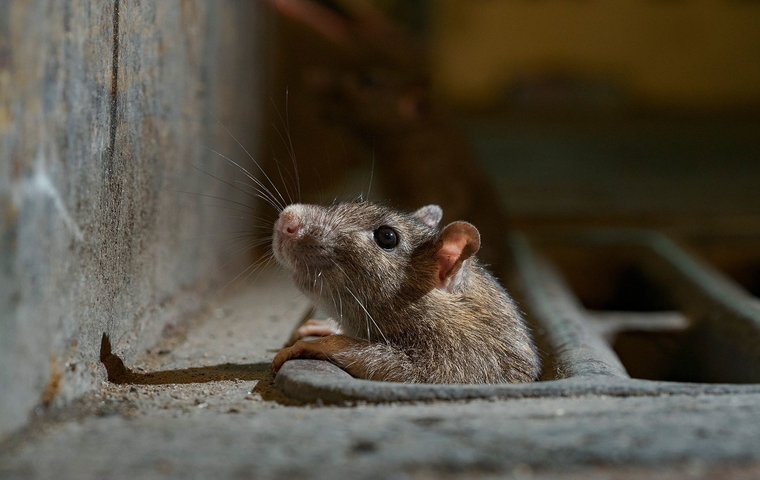
Norway rats establish themselves near ground level, particularly around waterways, drainage systems, and building foundations where they create extensive burrow networks. These robust rodents can weigh up to 500 grams and typically display brown or grey fur with blunt noses and small ears.
2. Roof Rats
Roof rats characteristics differ significantly from their Norway cousins. These agile climbers prefer elevated spaces like roof cavities, wall voids, and tree canopies. Their sleek bodies, measuring 16-20cm with tails longer than their bodies, allow them to navigate narrow spaces and vertical surfaces with ease. Dark brown to black colouring helps distinguish them from Norway rats.
3. House Mice
House mice present unique challenges due to their rapid reproduction rates. A single female can produce 5-10 litters annually, with each litter containing 5-6 pups. Their small size—just 7-10cm in body length—enables them to squeeze through gaps as narrow as 6mm, making exclusion particularly difficult.
Accurate species identification determines treatment success. Norway rats respond best to ground-level bait stations and burrow treatments, while roof rats require elevated placement strategies targeting their arboreal habits. House mice need intensive monitoring due to their prolific breeding, often requiring multiple trap types and closer bait station spacing.
Sydney also hosts native species including Bush Rats, Water Rats (Rakali), and Swamp Rats. These protected animals rarely enter buildings and don’t spread diseases like their introduced counterparts. Professional identification prevents unnecessary harm to native wildlife while focusing control efforts on genuine pest species.
What Are The Health Risks And Property Damages Associated With Rodent Infestations In Urban Areas?
Rodent infestations pose serious health risks to Sydney residents by spreading diseases and causing contamination. Here are some of the health risks associated with rodent infestations:
- Leptospirosis: This disease is transmitted through contact with rodent urine in water or soil. It can cause severe flu-like symptoms and may lead to organ failure if left untreated.
- Hantavirus: Although less common in Australia, Hantavirus remains a concern as it can be inhaled from contaminated dust containing rodent droppings.
- Salmonellosis: Rodents can contaminate food, leading to the transmission of salmonellosis, which causes gastrointestinal illness.
- Asthma attacks: Sensitive individuals may experience asthma attacks triggered by exposure to rodent droppings and dander.
The presence of rodents in urban areas also results in significant property damage. Here are some ways in which rodents can harm buildings:
- Electrical wiring damage: Rodents have a tendency to gnaw on electrical wires, which poses a significant fire hazard. Damaged insulation around the wires can potentially lead to electrical faults and fires.
- Water pipe damage: Rodents’ sharp teeth can easily chew through water pipes, resulting in costly leaks and water damage.
- Insulation deterioration: When rodents make nests within walls or roofs, they can rapidly degrade insulation materials. This not only reduces energy efficiency but also creates entry points for further infestations.
In addition to these immediate dangers, property owners in Sydney also face financial burdens due to contaminated food supplies in kitchens and storage areas. Timber structures, especially those found in heritage buildings, are at risk of degradation as rodents gnaw through beams and floorboards.
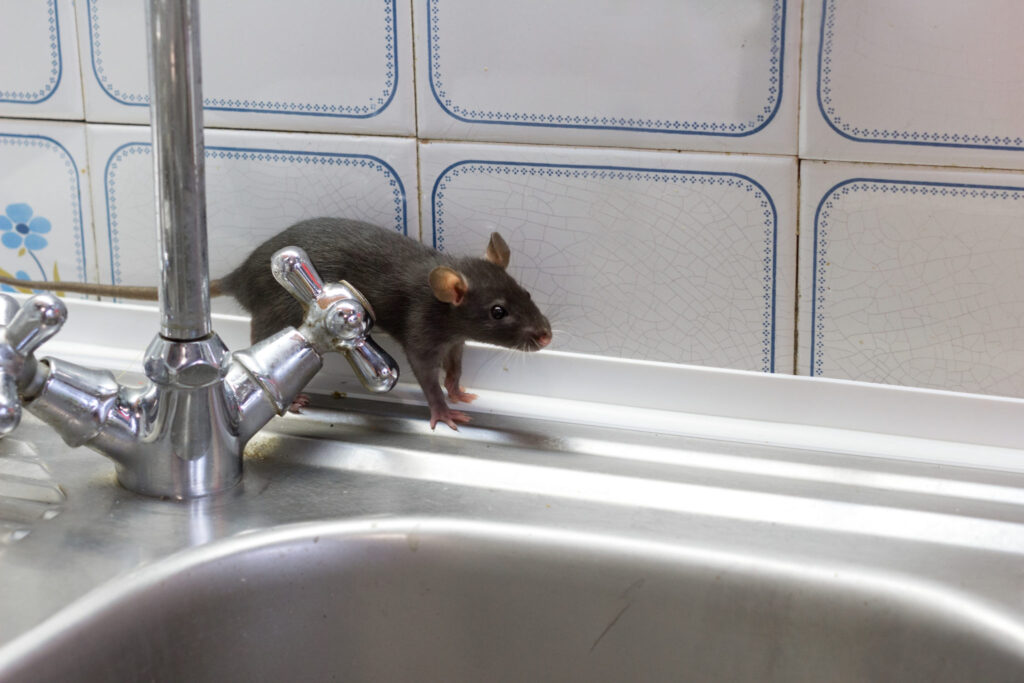
Given the combined health risks posed by rodents to Sydney residents and the extensive property damage they cause, professional rodent control becomes crucial. Effective solutions for urban properties are necessary to safeguard both human health and the integrity of buildings.
How Can Property Owners Effectively Identify The Sources Of Rodent Infestations?
A comprehensive rodent inspection Sydney requires examining both interior and exterior spaces to pinpoint where rodents enter, nest, and feed. Property owners should look for droppings (fresh droppings appear dark and moist), gnaw marks on wood or plastic, greasy rub marks along walls where rodents travel, and urine stains visible under UV light.
Common Entry Points
Entry points commonly include:
- Gaps around pipes and utility lines entering buildings
- Damaged roof tiles or loose eaves
- Cracks in foundations or walls wider than 6mm
- Unsealed vents and air conditioning units
- Gaps beneath doors or damaged weather stripping
Identifying Infestation Sources
Infestation source identification extends to locating active nests in wall cavities, roof spaces, subfloors, storage areas, and dense vegetation near buildings. Rodents prefer undisturbed areas with soft nesting materials like shredded paper, insulation, or fabric.
Checking Food Sources
Food sources require equal attention. Check for accessible garbage bins, pet food left outdoors, fallen fruit from trees, compost heaps, and poorly sealed pantry items.
Inspecting Water Sources
Water sources include leaking taps, pet water bowls, air conditioning condensation, and ornamental ponds.
Sydney’s heritage properties often contain multiple concealed entry points in aging brickwork and timber structures, while modern apartments may have rodents entering through shared plumbing chases or ventilation systems connecting multiple units.
What Eco-Friendly Solutions Are Available For Managing Rodents In Urban Properties?
Eco-friendly rodent control methods Sydney property owners can implement focus on minimizing environmental impact while effectively managing infestations. These solutions protect native wildlife, reduce chemical exposure, and maintain ecosystem balance in urban settings.
1. Tamper-Resistant Bait Stations
Tamper-resistant bait stations represent a cornerstone of environmentally conscious rodent management. These secure devices contain first-generation anticoagulants that break down quickly in the environment, preventing secondary poisoning of native predators like owls and kookaburras. The stations’ design ensures only target pest species can access the bait, keeping children, pets, and non-target wildlife safe.
2. Humane Trapping Techniques
Humane trapping techniques offer chemical-free alternatives for specific pest species identification and removal:
- Snap traps: positioned strategically along rodent pathways provide instant, humane elimination
- Live-capture traps: allow for species verification before disposal, ensuring native Bush Rats or Water Rats aren’t mistakenly targeted
- Multi-catch mouse traps: efficiently handle house mice populations in commercial kitchens and food storage areas
The placement of these devices requires expertise. Roof rats demand elevated trap positioning near ceiling access points, while Norway rats respond better to ground-level stations near water sources and burrow entrances.
3. Mechanical Exclusion Methods
Mechanical exclusion methods complement trapping programs by addressing root causes. Installing rodent-proof mesh over ventilation points, sealing gaps around pipes with steel wool and caulk, and fitting door sweeps creates physical barriers without chemicals.
Professional pest controllers increasingly combine these eco-friendly approaches with integrated pest management principles, rotating methods to prevent rodent adaptation while maintaining environmental stewardship. This strategic approach proves particularly effective in Sydney’s sensitive ecosystems where bushland meets urban development.
Why Is Ongoing Monitoring And Maintenance Essential In Urban Rodent Control Programs?
Rodent bait station monitoring Sydney programs require consistent oversight because rodent populations can rebound within weeks if treatments lapse. Regular checks every 7-14 days allow technicians to assess bait consumption patterns, indicating active infestations that need immediate attention.
Pest control maintenance visits serve multiple critical functions:
- Replenishing consumed bait before stations become empty and ineffective
- Identifying new entry points that rodents create as they adapt to control measures
- Detecting early warning signs like fresh droppings or gnaw marks before populations explode
- Adjusting station placement based on changing rodent movement patterns
Sydney’s urban environment presents unique challenges where neighbouring properties may harbour untreated infestations, creating constant reintroduction risks. A single pregnant female mouse can produce 40-50 offspring annually, making Rodent Control Sydney: The Most Effective Solutions for Urban Properties dependent on vigilant monitoring rather than one-time treatments. Professional technicians document each visit, tracking trends that reveal whether current strategies remain effective or require modification.
What Preventative Measures Can Property Owners Take To Minimize The Risk Of Future Rodent Problems?
Property owners can significantly reduce rodent attraction by eliminating access points and removing food sources. Implementing rodent prevention strategies Sydney professionals recommend creates a hostile environment for pest establishment.
1. Structural Modifications
Structural modifications form the first line of defense:
- Seal all gaps larger than 6mm around pipes, vents, and utility lines with steel wool or copper mesh
- Install door sweeps on exterior doors and repair damaged weather stripping
- Screen roof vents and chimney openings with heavy-gauge wire mesh
- Repair cracks in foundations and walls using concrete or metal flashing
- Ensure windows close properly and replace torn screens
2. Sanitation Practices
Sanitation practices eliminate food and water sources that sustain rodent populations:
- Store food in airtight glass or metal containers rather than cardboard or plastic
- Clean up spills immediately and vacuum crumbs daily
- Keep garbage in sealed bins and remove waste regularly
- Trim vegetation at least 30cm away from building exteriors
- Remove standing water from gutters, air conditioning units, and plant saucers
- Store pet food in sealed containers and avoid leaving bowls out overnight
3. Outdoor Maintenance
Outdoor maintenance reduces harboring sites around properties. Clear debris piles, stack firewood at least 50cm from structures, and maintain tidy garden beds. Properties near bushland or waterways require extra vigilance, as these areas naturally support higher rodent populations that may migrate into urban spaces.
How Do Professional Pest Control Services Customize Their Approaches For Different Types Of Urban Properties?
Professional pest control services Sydney adapt their strategies based on each property’s unique layout, usage patterns, and risk factors. A heritage terrace in Surry Hills requires different treatment methods compared to a modern high-rise apartment or commercial kitchen.
Residential Properties
Residential properties receive tailored approaches depending on their age and construction:
- Older homes with weatherboard cladding and suspended floors need extensive perimeter treatments and subfloor inspections
- Newer apartments focus on common entry points like air conditioning ducts and utility penetrations
- Multi-story buildings require specialized access equipment to treat rooflines and upper-level entry points where roof rats commonly enter
Commercial Establishments
Commercial establishments demand customized rodent solutions urban properties that account for operational requirements:
- Restaurants and cafes: Discreet bait station placement away from food preparation areas, with treatments scheduled during closed hours
- Warehouses: Large-scale monitoring systems covering extensive floor space and loading dock vulnerabilities
- Office buildings: Focus on shared walls, ceiling voids, and basement car parks where rodents travel between tenancies
- Retail spaces: Non-toxic monitoring devices in customer-facing areas combined with intensive treatments in storage rooms
Heritage-Listed Buildings
Heritage-listed buildings present additional challenges requiring gentle methods that preserve architectural features while eliminating infestations. Licensed technicians assess structural vulnerabilities without damaging historical elements, using minimal-impact exclusion techniques and carefully positioned monitoring stations that blend with period aesthetics.
Why Should Property Owners Consider Engaging Licensed Technicians And Scheduling Annual Inspections For Sustainable Rodent Control In Sydney’s Urban Environment?
Licensed pest technicians Sydney bring specialized training and regulatory compliance that ensures rodent control methods meet environmental safety standards. These professionals possess in-depth knowledge of pest species identification, behavior patterns, and the most effective treatment protocols for urban settings. Their expertise extends beyond simple extermination to implementing integrated pest management strategies that protect both properties and Sydney’s native wildlife.
Professional advantages include:
- Access to commercial-grade products unavailable to the general public
- Proper handling and application of rodenticides to minimize environmental impact
- Understanding of legal requirements for pest control in residential and commercial zones
- Insurance coverage protecting property owners from liability
Annual rodent inspections preventive care serves as the foundation for long-term protection in Sydney’s densely populated neighborhoods. Rodent populations can explode within weeks when conditions favor breeding, making reactive approaches costly and less effective. Scheduled inspections detect early warning signs—such as fresh droppings, gnaw marks, or entry points—before full-scale infestations develop.
The preventive model proves particularly valuable in high-density areas where rodent movement between properties occurs frequently. A single untreated infestation can rapidly spread throughout apartment complexes, terraced houses, or commercial strips. Licensed technicians establish monitoring systems that track rodent activity patterns and adjust treatment strategies accordingly.
Rodent Control Sydney: The Most Effective Solutions for Urban Properties relies on this proactive framework. Regular professional assessments identify structural vulnerabilities, environmental attractants, and population trends that property owners might overlook. This systematic approach reduces long-term costs associated with emergency callouts, extensive property repairs, and health hazards from established rodent colonies.
Conclusion
Sydney’s urban environment requires a careful plan for pest management that keeps both properties and ecosystems safe. Property owners who act quickly at the first signs of rodent activity can avoid expensive repairs and health risks later on.
Effective rodent control solutions Sydney property owners can implement include:
- Partnering with licensed pest control professionals who understand local rodent behavior
- Scheduling regular property inspections to catch problems early
- Combining eco-friendly treatments with structural modifications
- Maintaining vigilance through ongoing monitoring programs
The complexity of Rodent Control Sydney: The Most Effective Solutions for Urban Properties requires expertise that balances rapid response with environmental responsibility. Licensed technicians bring specialized knowledge of Sydney’s unique challenges, from heritage buildings to high-density developments.
Taking a proactive stance means fewer disruptions, lower long-term costs, and peace of mind. Property owners who invest in professional assistance and preventative strategies create lasting protection against rodent infestations while contributing to a healthier urban ecosystem for all Sydney residents.
See Also: Why an arborist pymble is essential for heritage tree management