Finding the best tree loppers near me is a priority for many Sydney homeowners facing overgrown branches or hazardous leaning trees. However, in 2026, the distinction between a “lopper” and a professional arborist has never been more critical. While a quick search might yield dozens of local options, the risks associated with unqualified tree work—ranging from property damage to severe legal liabilities—are substantial.
In the complex urban landscape of Sydney, professional tree care is no longer just about aesthetics. It is about risk management, environmental compliance, and long-term property value. This guide explores why choosing a licensed professional with $20 million public liability insurance is the only way to ensure your home and family remain protected.
Understanding Tree Lopping vs. Professional Arboriculture
To the untrained eye, cutting a tree seems straightforward. However, the industry makes a sharp distinction between “tree lopping” and “arboriculture.”
What is Tree Lopping?
Tree lopping generally refers to the indiscriminate cutting of tree branches or stems. It often involves “topping,” which is the practice of removing the top of the tree to reduce its height. While this provides a quick fix for a view or a perceived hazard, it often leads to:
Weak Regrowth: Epicormic shoots grow back faster but are weakly attached.
Tree Stress: Removing too much canopy starves the tree of energy.
Disease: Large, ragged cuts become entry points for pests and fungi.
What is a Professional Arborist?
A professional Sydney arborist is trained in the science of tree care. They follow Australian Standard AS 4373-2007 (Pruning of Amenity Trees). Their goal is to maintain the structural integrity and health of the tree while mitigating risk to the surrounding environment.
The Critical Importance of $20 Million Public Liability Insurance
When searching for “tree loppers near me,” the most important question you can ask is: “Are you insured for $20 million?”
In 2026, this has become the industry benchmark for high-quality Sydney tree services. Here is why this specific figure matters:
1. High-Density Living Risks
Sydney’s residential areas often feature homes in close proximity to power lines, neighbors’ fences, and swimming pools. If a heavy limb falls incorrectly, the damage can easily exceed six figures.
2. Personal Injury Coverage
Tree work is statistically one of the most dangerous professions. If an uninsured worker is injured on your property, you, as the homeowner, could be held liable for their medical expenses and lost wages. A $20 million policy ensures the contractor’s insurance handles these catastrophic costs.
3. Protection Against Underground Utilities
Modern Sydney homes are connected via complex underground networks of fiber optics, gas, and water. A professional arborist carries insurance that covers “vicarious liability,” protecting you if a stump grinding operation accidentally hits a utility main.
Benefits of Hiring a Licensed Sydney Arborist
Hiring a certified professional provides more than just peace of mind; it offers tangible benefits for your property.
Precision and Specialized Equipment
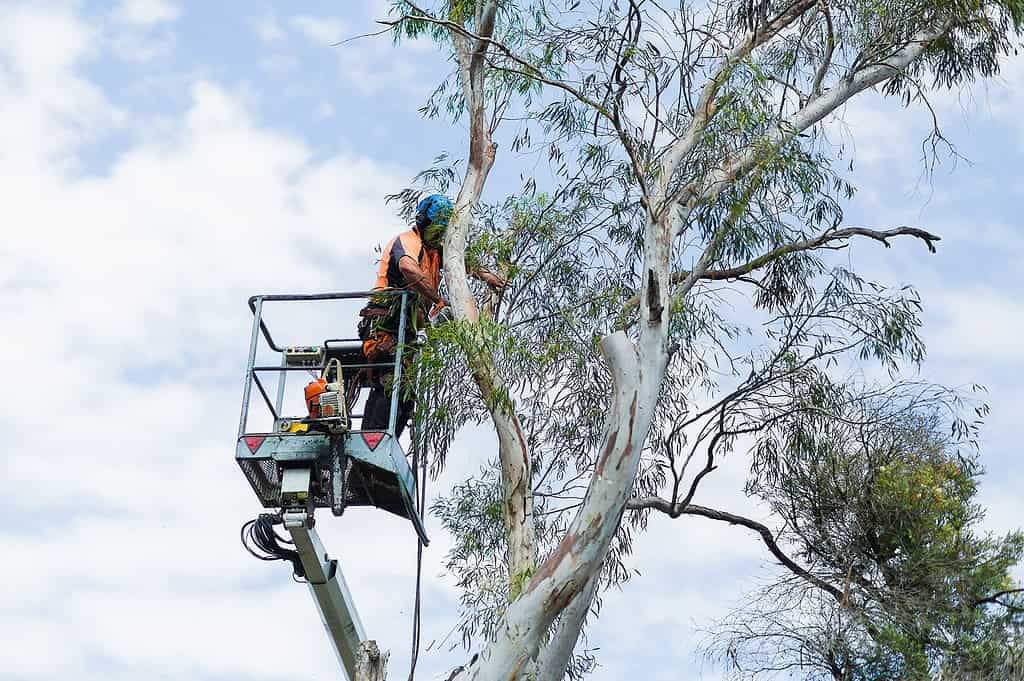
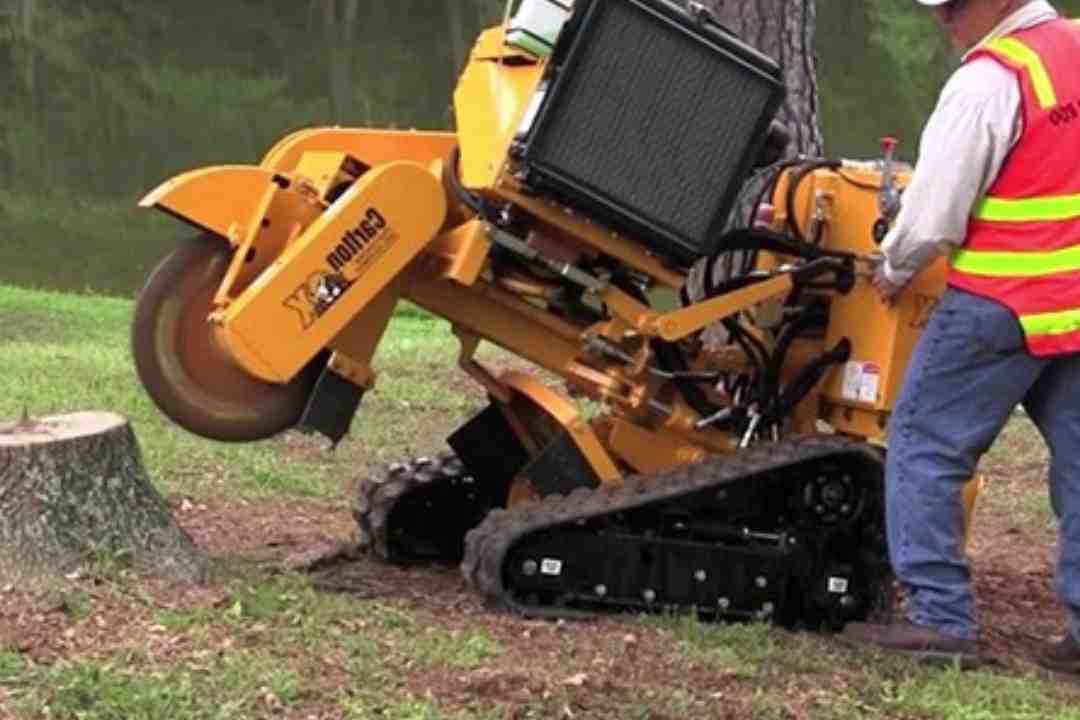
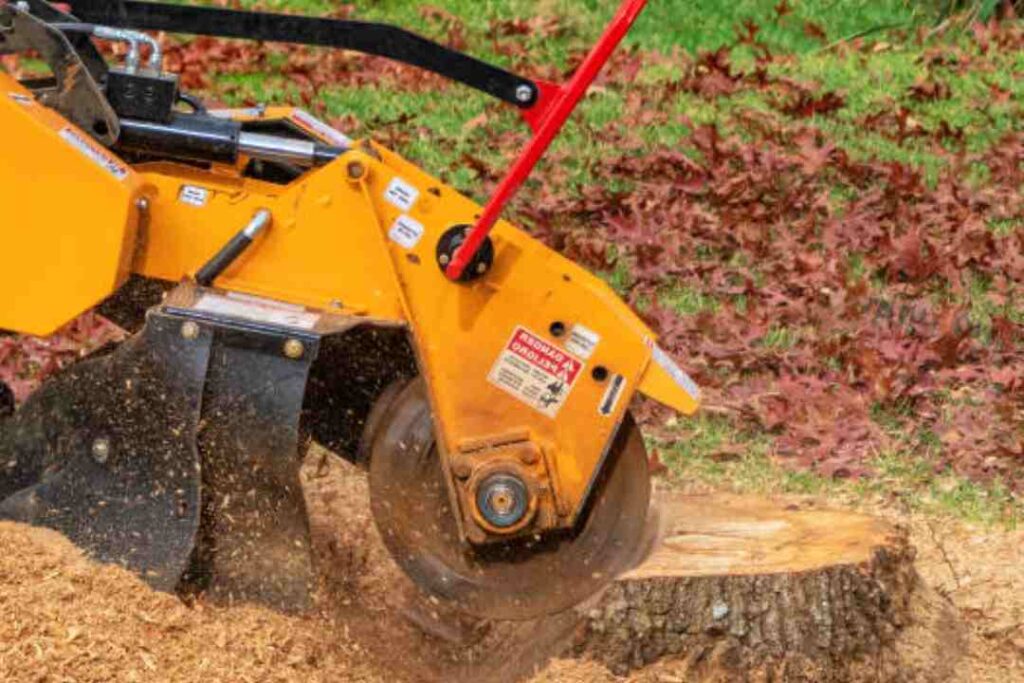
Licensed arborists use high-tech equipment including spider lifts, wood chippers, and stump grinders designed to work in tight urban spaces without damaging your lawn or driveway.
Compliance with Local Council Regulations
Every Sydney council (from the Northern Beaches to the Inner West) has specific Tree Preservation Orders (TPOs). Removing or significantly pruning a tree without a permit can result in fines exceeding $100,000. A professional arborist understands these local laws and can assist with the permit application process.
Enhanced Property Value
Healthy, well-maintained trees can add up to 10% to 15% to a property’s market value. Conversely, a hacked, dying tree is a liability that buyers will negotiate against.
The Step-by-Step Professional Tree Removal Process
If you have identified a hazardous tree, here is the standard framework a professional team will follow:
Site Inspection & Hazard Assessment: Identifying targets (houses, power lines) and assessing the tree’s lean and structural integrity.
Permit Verification: Ensuring all Sydney council approvals are in place.
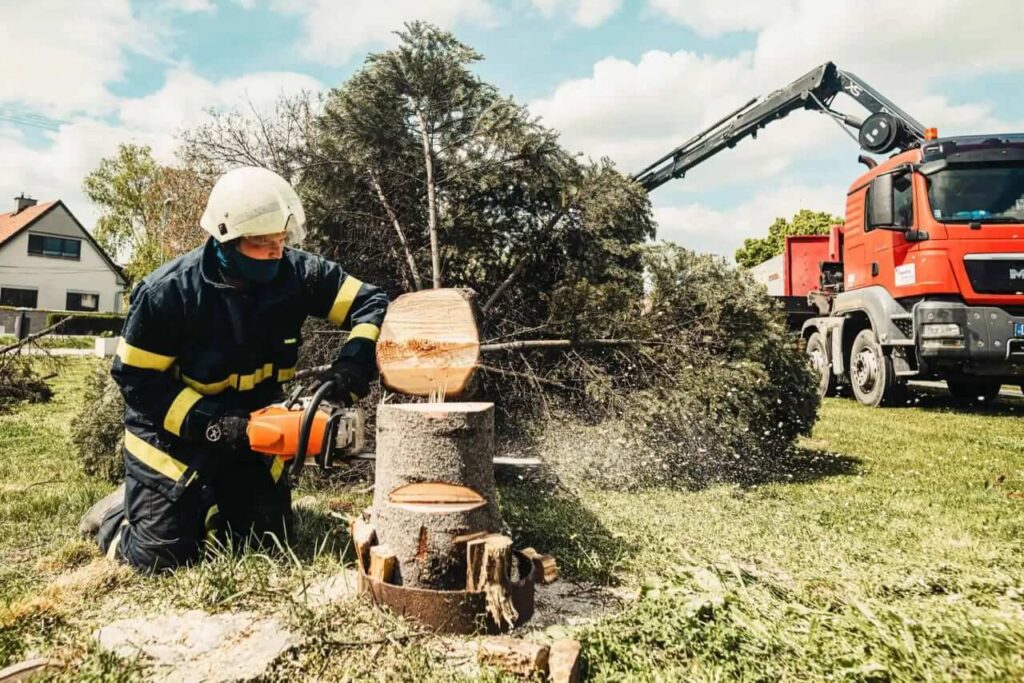
Rigging Setup: Using ropes and pulleys to lower large sections of the tree safely to the ground.
Controlled Felling or Sectioning: Dismantling the tree piece by piece.
Debris Management: Mulching branches on-site and removing the trunk.
Stump Grinding: Removing the stump below ground level to prevent regrowth and tripping hazards.
Common Mistakes When Choosing “Tree Loppers Near Me”
Avoid these frequent pitfalls to ensure your project goes smoothly:
Chasing the Lowest Quote: A significantly lower price usually means the contractor is cutting corners on insurance, safety gear, or staff training.
Ignoring Online Reviews: Check for recent, local Sydney reviews that mention professionalism and cleanup.
Accepting Verbal Agreements: Always demand a written quote that specifies the scope of work, total cost, and insurance details.
Not Checking Qualifications: In Australia, look for a minimum Certificate III in Arboriculture.
Tree Care Best Practices for Sydney Homeowners
To minimize the need for emergency lopping, follow these maintenance tips:
Annual Inspections: Have an arborist check your trees before the summer storm season.
Mulching: Apply organic mulch around the base of your trees to retain moisture during Sydney’s hot spells.
Proper Watering: Deep, infrequent watering is better for root health than light, daily sprinkling.
Avoid Root Damage: Never park heavy vehicles or store construction materials under the “drip line” of a tree.
FAQ: Hiring Tree Services in Sydney
1. Do I need council permission to prune a tree in Sydney?
In most cases, yes. While some “exempt” species exist, most Sydney councils require a permit for pruning more than 10-15% of a tree’s canopy. A licensed arborist can confirm your local TPO rules.
2. How much does tree removal cost in Sydney in 2026?
Costs vary based on tree size, location, and accessibility. On average, small trees start at $500, while large, complex removals can range from $2,500 to $8,000+.
3. Why is $20 million the standard for insurance?
Many commercial contracts and local government bodies now require $20 million as a minimum to cover the extreme costs associated with modern litigation and high-value property damage.
4. Can I prune a tree that is overhanging from my neighbor’s yard?
Under NSW law, you can usually prune branches back to your property line, but you must not damage the health of the tree or trespass. It is always best to consult an arborist to ensure the cut is legal and safe.
5. What is the best time of year for tree pruning?
While emergency work happens year-round, late winter is often ideal for many Sydney species, as trees are dormant and wounds heal faster in the spring.
Conclusion: Make the Safe Choice for Your Sydney Property
When looking for the best tree loppers near me, remember that the cheapest option is rarely the safest. In 2026, the complexity of Sydney’s urban environment demands a higher standard of care. By choosing a licensed arborist with $20 million public liability insurance, you are protecting your home, your financial security, and the health of the local ecosystem.
Proper tree maintenance is an investment, not an expense. Ensure your trees remain an asset to your property rather than a hazard.
Would you like me to generate a list of internal linking opportunities or create a custom schema markup for this article?
Internal Linking & Authority Suggestions
Internal Linking (Anchor Text Suggestions):
Sydney tree removal services
Emergency tree work Sydney
Arborist report for council
Stump grinding benefits
Hedge trimming Sydney
Authoritative External References:
Standards Australia: Search for “AS 4373-2007 Pruning of Amenity Trees” to understand the national requirements for tree care.
NSW Land and Environment Court: Reference their “Trees (Disputes Between Neighbours) Act 2006” for legal guidance on boundary tree issues.
How Do Flower Delivery Services in Crows Nest Support Local Gifting Traditions?
Flower delivery services in Crows Nest play a crucial role in the suburb’s gifting culture, helping residents maintain meaningful relationships through thoughtful floral gestures. These local businesses offer fresh, expertly arranged bouquets that are delivered straight to people’s doors, making it easy for community members to celebrate special occasions, offer condolences, or brighten someone’s day.
The Unique Character of Crows Nest
Crows Nest is a lively area on Sydney’s Lower North Shore, where café culture meets a warm residential atmosphere. The suburb is home to a mix of young professionals, established families, and long-term residents who value personal connections. This diverse community has developed a gifting culture that prioritises authenticity and thoughtfulness over generic gestures.
Understanding the Neighbourhood’s Needs
Flower delivery Crows Nest services thrive because they understand the rhythm of the neighbourhood. They know which hospitals serve the area, recognise the importance of timely deliveries for funeral services at nearby venues, and appreciate that a birthday bouquet arriving at a workplace on Willoughby Road carries special meaning. These florists don’t just deliver flowers—they facilitate small acts of kindness that strengthen community bonds.
The Importance of Reliable Services
The tradition of giving flowers is deeply rooted in Australian culture, but it needs accessible and dependable services to thrive. When residents can order arrangements that reflect their true feelings and trust they’ll arrive fresh and on time, gifting becomes effortless instead of stressful. This accessibility changes how Crows Nest residents show care, turning fleeting thoughts of appreciation into tangible, beautiful gestures that recipients can enjoy for days.
What Sets Flower Delivery Services in Crows Nest Apart?
Local flower delivery services in Crows Nest distinguish themselves through their commitment to fresh floral arrangements sourced from quality suppliers and delivered at peak freshness. The proximity of these florists to their customers means flowers spend less time in transit, arriving with vibrant colours and longer vase life compared to arrangements shipped from distant locations.
Experienced florists form the backbone of Crows Nest’s flower delivery excellence. These skilled artisans possess deep knowledge of seasonal blooms, colour theory, and design principles that transform simple bouquets into memorable gifts. Their expertise ensures each arrangement suits the occasion perfectly, whether it’s a romantic gesture featuring classic red roses or a sympathy tribute with elegant white lilies and native Australian greenery.
The seasonal approach to floral design brings particular value to customers. Rather than relying on imported blooms that lack freshness, local florists craft arrangements using flowers at their seasonal peak. Spring arrangements might showcase tulips and freesias, whilst summer designs feature sunflowers and gerberas. This seasonal rotation guarantees optimal quality and supports sustainable floristry practices.
Same-day delivery Crows Nest services provide unmatched convenience for last-minute gifting needs. When someone forgets an anniversary or receives unexpected good news worth celebrating, local florists respond quickly. Orders placed during business hours typically reach recipients the same day, eliminating the anxiety of delayed deliveries.
The combination of these three elements creates a superior gifting experience:
Freshness guarantee – Flowers arrive in pristine condition with days of beauty ahead
Artisan craftsmanship – Each arrangement reflects professional design standards
Local florists maintain relationships with trusted suppliers, allowing them to hand-select stems each morning. This quality control process ensures only the finest blooms enter their workshops. Wilted petals, damaged leaves, or inferior specimens never make it into customer arrangements, maintaining the reputation these businesses have built within the community.
How Do Local Florists Like Sarina’s Florist Enhance the Gifting Experience?
Local florists transform ordinary flower purchases into personalised floral gifts that reflect the sender’s genuine care and attention. Establishments like Sarina’s Florist bring expertise in understanding individual preferences, creating bespoke arrangements that capture specific emotions and relationships rather than offering generic bouquets.
The personal touch begins with consultation. Florists take time to understand the recipient’s favourite colours, flower types, and the message the sender wishes to convey. This tailored approach ensures each arrangement carries meaning beyond its aesthetic appeal, making the gift memorable and distinctive.
What Occasions Benefit from Personalised Floral Services?
Crows Nest florists cater to life’s full spectrum of moments, from joyous celebrations to solemn remembrances. Their versatility ensures appropriate arrangements for every circumstance:
Birthday celebrations: Vibrant, cheerful bouquets featuring seasonal blooms in the recipient’s preferred palette
Romantic gestures: Elegant roses, peonies, and other romantic flowers arranged to express love and affection
Funeral tributes: Respectful sympathy arrangements crafted with sensitivity and appropriate colour schemes
New baby celebrations: Soft, delicate arrangements in pastels complementing the joy of welcoming new life
Each occasion demands different floral language and presentation styles. Experienced florists understand these nuances, selecting blooms that communicate the right sentiment whilst maintaining seasonal freshness and visual impact.
How Do Complementary Gift Options Elevate Flower Deliveries?
Complementary gift options transform simple flower deliveries into comprehensive gift experiences. Sarina’s Florist and similar local providers offer carefully curated additions that enhance the floral centrepiece:
Gourmet hampers featuring artisan chocolates, premium teas, or wine selections
Scented candles that extend the sensory experience beyond visual beauty
Celebratory balloons adding festive energy to birthday and congratulatory arrangements
Greeting cards with personalised messages handwritten by the sender
Soft toys perfect for baby celebrations or adding whimsy to romantic gifts
These additions allow senders to
How Flower Delivery in Crows Nest Meets the Various Needs of the Community
Flower delivery services in Crows Nest adapt to the varied schedules and requirements of local residents through flexible timing options. Business and evening deliveries accommodate both working professionals who need gifts sent during office hours and those requiring after-work delivery to homes, typically extending until 7 PM or later.
The community’s diverse institutional landscape receives specialised attention from local florists. Hospitals, nursing homes, and aged care facilities throughout Crows Nest benefit from dedicated delivery protocols that respect facility guidelines and visiting hours. Schools receive birthday surprises and teacher appreciation arrangements, while workplace deliveries brighten office environments for colleagues celebrating milestones or needing encouragement.
Timed delivery services address the precision required for significant life events. Funeral services demand exact arrival times to coordinate with ceremony schedules, ensuring floral tributes arrive before proceedings begin. Birthday surprises benefit from specific morning or afternoon slots, whilst anniversary deliveries can be scheduled to coincide with romantic dinners or special moments. You may like to visit https://www.pmc.gov.au/government/anniversary-messages to get more about anniversary messages.
The geographic concentration of Crows Nest’s residential and commercial areas enables florists to offer multiple delivery windows throughout the day. This proximity allows for:
Morning deliveries before 10 AM for workplace surprises
Lunchtime slots for hospital and care facility visits
Afternoon deliveries to schools and businesses
Evening options for residential addresses
How Flower Delivery in Crows Nest Supports Local Gifting extends beyond simple transportation. Florists coordinate with reception staff at apartment buildings, communicate with hospital wards about patient locations, and navigate the specific requirements of aged care facilities regarding flower types and arrangements suitable for residents with health considerations.
How Flower Delivery Supports the Local Economy and Fosters Community Spirit in Crows Nest
Supporting the Local Economy
Flower delivery businesses directly strengthen Crows Nest’s local economy by keeping revenue within the suburb’s commercial ecosystem. When residents choose neighbourhood florists instead of national chains or online-only retailers, their spending circulates through local suppliers, staff wages, and reinvestment in shopfronts along the suburb’s bustling streets. These florists typically source from Sydney-based flower markets and employ local residents, creating a multiplier effect that benefits the entire Lower North Shore community.
Creating Employment Opportunities
The presence of established florists like Sarina’s Florist creates employment opportunities ranging from skilled floral designers to delivery drivers who know every laneway and apartment building in the area. These neighbourhood businesses pay local council rates, contribute to business improvement districts, and participate in community events that define Crows Nest’s character. Their storefronts add to the suburb’s retail diversity, complementing the café culture and dining scene that attracts both residents and visitors.
Encouraging Community Gifting
Community gifting traditions thrive when local florists make thoughtful gestures accessible and convenient. The ease of ordering flowers for a neighbour’s birthday, a colleague’s achievement, or a friend’s difficult time encourages residents to maintain social bonds through tangible expressions of care. Same-day delivery options remove barriers to spontaneous generosity, allowing someone to send condolences to a funeral service or celebrate a hospital birth within hours of hearing the news.
Building Lasting Relationships
Local florists build lasting relationships with repeat customers, remembering preferences and suggesting arrangements that reflect a genuine understanding of recipients. This personalised service transforms routine transactions into meaningful exchanges that reinforce the social fabric. A florist who recognises a customer ordering anniversary flowers each year or knows which schools and aged care facilities serve the community becomes part of the neighbourhood’s connective tissue.
Fostering Face-to-Face Connections
The physical presence of flower shops in Crows Nest creates gathering points where residents interact with business owners who share their daily environment. These face-to-face connections differ fundamentally from impersonal online ordering experiences. When customers collect arrangements in person or discuss custom requests with florists, they participate in the street-level commerce that gives suburbs their distinctive identity and sense of place.
Why Is Choosing Local Flower Delivery Important for Meaningful Gifting Experiences in Crows Nest?
Local flower delivery providers in Crows Nest offer unmatched reliability and personalised service that transforms ordinary gifts into memorable gestures. When you choose a neighbourhood florist, you gain access to professionals who understand the community’s preferences and can tailor arrangements to reflect individual relationships and occasions.
1. Reliability becomes paramount when emotions matter most.
Local florists maintain direct control over their supply chains and delivery processes, ensuring flowers arrive fresh and on time. Unlike distant online retailers, Crows Nest florists can respond quickly to special requests, accommodate last-minute changes, and guarantee same-day delivery within the suburb. This dependability proves essential when celebrating birthdays, expressing sympathy, or marking significant milestones where timing affects the gift’s emotional impact.
2. Personalised service distinguishes local providers from generic alternatives.
Experienced florists engage in conversations about recipients’ tastes, favourite colours, and the message you wish to convey. They suggest seasonal blooms that align with your budget whilst creating bespoke arrangements that reflect genuine thoughtfulness. This level of customisation strengthens the connection between giver and receiver.
3. Timely delivery amplifies the power of floral gifts.
Receiving flowers at precisely the right moment—during a hospital stay, on an anniversary morning, or at a workplace celebration—transforms a beautiful arrangement into an unforgettable experience. Local florists coordinate timed deliveries to hospitals, aged care facilities, and businesses throughout Crows Nest, ensuring your sentiments arrive when they’ll create maximum emotional resonance.
4. The presentation quality directly influences how recipients perceive your gift.
Local florists invest in premium wrapping materials, elegant vases, and complementary items like handwritten cards that elevate the entire presentation. Their attention to detail ensures every arrangement arrives looking immaculate, reflecting the care you’ve invested in selecting the perfect gift.
5. Service quality extends beyond the flowers themselves.
Crows Nest florists provide expert advice on flower meanings, longevity care instructions, and suitable varieties for specific recipients or settings. They offer flexible delivery options including extended evening hours for residential addresses, accommodating the suburb’s busy professionals and families.
Choosing local florists in Crows Nest strengthens the fabric of community life whilst ensuring your gifts carry genuine meaning. When you select neighbourhood flower delivery services, you’re investing in relationships that extend beyond a single transaction—you’re supporting artisans who understand the suburb’s character and the occasions that matter most to residents.
Flower delivery benefits Crows Nest in ways that reach far beyond beautiful bouquets. Local florists like Sarina’s Florist bring personal knowledge to every arrangement, recognising that a gift for a colleague at a Pacific Highway office requires different consideration than flowers for a patient at nearby medical facilities. This intimate understanding of the community creates gifting experiences that resonate more deeply than generic alternatives.
Supporting local gifting culture means preserving the traditions that make Crows Nest distinctive. The suburb’s café culture and close-knit residential areas thrive when neighbours choose to shop locally, creating economic vitality that benefits everyone. Each flower delivery supports employment, sustains small businesses, and maintains the personalised service standards that larger, impersonal operations cannot match.
How flower delivery in Crows Nest supports local gifting becomes clear when you consider the complete ecosystem: fresh seasonal blooms, expert florists who craft arrangements with care, flexible delivery options that accommodate busy schedules, and additional gift items that transform flowers into comprehensive expressions of sentiment. These elements combine to make every occasion—from birthdays to bereavements—handled with appropriate sensitivity and style.
Your next gifting opportunity presents a choice: support the local florists who contribute to Crows Nest’s character, or opt for distant alternatives that lack connection to your community. The decision shapes not only your immediate gift but the long-term vitality of neighbourhood businesses that make thoughtful, timely, and beautiful flower delivery possible.
FAQs (Frequently Asked Questions)
How do flower delivery services in Crows Nest support local gifting traditions?
Flower delivery services in Crows Nest play a vital role in supporting local gifting traditions by providing fresh, beautifully arranged flowers that reflect the community’s culture. These services enable residents to express sentiments thoughtfully, fostering meaningful connections within the suburb.
What sets flower delivery services in Crows Nest apart from others?
Flower delivery services in Crows Nest stand out due to their commitment to freshness and quality, crafted by experienced florists who design seasonal arrangements. Additionally, the convenience of same-day delivery options ensures timely and reliable gifting experiences.
How do local florists like Sarina’s Florist enhance the gifting experience in Crows Nest?
Local florists such as Sarina’s Florist elevate the gifting experience by offering personalised floral gifts tailored to various occasions including birthdays, romantic gestures, funerals, and new baby celebrations. They also provide complementary gift items like hampers, candles, balloons, cards, and soft toys to create thoughtful and complete presents.
In what ways does flower delivery cater to the diverse needs of the Crows Nest community?
Flower delivery in Crows Nest caters to diverse community needs through flexible timed deliveries during business hours and evenings. Services extend to hospitals, aged care facilities, schools, workplaces, and special events like funerals, ensuring accessibility and convenience for all residents.
How does flower delivery support the local economy and foster community spirit in Crows Nest?
By operating within the suburb, flower delivery businesses contribute significantly to the local economy. They encourage community gifting traditions that strengthen neighbourhood bonds and promote connections between residents and local enterprises, thereby fostering a vibrant community spirit.
Why is choosing local flower delivery important for meaningful gifting experiences in Crows Nest?
Choosing local flower delivery ensures reliability and personalised service that enhances the impact of gifts. Timely deliveries help express sentiments effectively while thoughtful presentation reflects genuine care, making gifting experiences in Crows Nest more meaningful and memorable.
Why Are Sympathy Flowers Important in Sydney’s Culture?
Sympathy flowers serve as a universal language of compassion, offering comfort when words feel inadequate. In Sydney’s multicultural landscape, sending condolence flowers bridges cultural divides and provides a tangible expression of support during grief.
Sydney’s diverse population has embraced floral tributes as a meaningful tradition that transcends individual backgrounds. The gesture acknowledges loss whilst respecting the privacy of grieving families, allowing friends, colleagues, and acquaintances to express solidarity without imposing their presence during vulnerable moments.
The practice holds particular significance in Sydney because:
The city’s fast-paced lifestyle often prevents people from attending services in person
Floral arrangements provide a lasting visual reminder that the bereaved aren’t alone
They create a sense of community support during isolating periods of mourning
Sympathy flowers Sydney also reflect the region’s connection to natural beauty. The harbour city’s residents have long appreciated botanical expressions of emotion, making floral tributes feel especially appropriate and culturally resonant. Native Australian blooms incorporated into arrangements add local authenticity whilst honouring the deceased’s connection to their home.
The act of sending sympathy flowers demonstrates thoughtfulness beyond mere social obligation. It shows the sender has taken time to select an appropriate arrangement, coordinate delivery, and craft a personal message—efforts that grieving families genuinely appreciate when processing their loss.
What Are Appropriate Flowers to Send for Sympathy in Sydney?
The best condolence flowers in Sydney include lilies, orchids, roses, carnations, and hyacinths, each carrying profound symbolic meaning. Sydney florists’ sympathy options also feature native Australian flowers like waratahs and flannel flowers, which add a local touch to traditional arrangements.
The Meaning Behind Popular Sympathy Flowers
Here are some popular sympathy flowers and their meanings:
Lilies: The quintessential sympathy flower, with white lilies representing the restored innocence of the departed soul. Their elegant trumpet-shaped blooms and subtle fragrance make them a dignified choice for funeral services and memorial tributes.
Orchids: Conveying eternal love and beauty, making them particularly appropriate for expressing lasting affection. These sophisticated blooms maintain their appearance longer than many other flowers, symbolising the enduring nature of cherished memories.
Roses: Offering versatility in sympathy arrangements, with different colours carrying distinct meanings. White roses signify reverence and purity, whilst pink roses express grace and admiration for the deceased.
Carnations: Providing both affordability and longevity in sympathy flower types. White carnations represent pure love and innocence, whilst pink carnations honour remembrance of the departed.
Hyacinths: Bringing a gentle fragrance and delicate appearance to condolence arrangements. Their clustered blooms in soft pastels create understated elegance suitable for expressing sympathy.
The Significance of Native Australian Flowers
Native Australian flowers like waratahs, banksias, and flannel flowers add distinctive character whilst celebrating the deceased’s connection to Australian landscapes. These blooms resonate particularly well with families who appreciate indigenous flora.
What Do Colour Choices Signify?
White remains the predominant colour for sympathy flowers in Sydney, symbolising peace, purity, and spiritual reverence. This timeless choice transcends cultural boundaries and conveys respect without overwhelming grieving families.
Green elements—whether through foliage, green chrysanthemums, or green roses—represent renewal, nature’s cycle, and hope. These hues complement white blooms whilst adding depth and texture to arrangements.
Soft pastels including pale pink, lavender, and cream offer gentle alternatives to pure white. These colours express tenderness and compassion without appearing overly sombre, providing comfort through their subtle warmth.
How Do Florists in Sydney Cater to Sympathy Flower Needs?
Florists in Sydney who specialise in sympathy flowers offer a wide range of arrangements to cater to different tastes and budgets. Their collections include simple hand-tied bouquets starting at around $60, as well as high-end designer pieces that can cost over $300. In general, you can expect to find options priced between $100 and $180 for most mid-range selections.
What Arrangement Styles Do Sydney Florists Offer?
Traditional bouquets are still the most popular choice, featuring classic combinations of white roses, lilies, and seasonal greenery. However, Sydney florists also offer modern alternatives that reflect the city’s diverse culture:
Flower hat boxes – luxurious cylindrical arrangements that come in keepsake containers, perfect for displaying at memorial services or in the recipient’s home
Seasonal baskets – natural woven containers filled with blooms and foliage that create a garden-inspired look
Vase arrangements – ready-to-display options that eliminate the need for recipients to find suitable containers during difficult times
Wreaths and standing sprays – formal tributes designed specifically for funeral venues and gravesides
Many flower arrangement options chosen by Sydney residents include native Australian elements such as wattle, eucalyptus, and waratahs alongside traditional sympathy flowers. This combination creates arrangements that feel both respectful and locally relevant.
How Quickly Can Sympathy Flowers Be Delivered?
If you need sympathy flowers delivered on the same day, there are many florists in Sydney’s metropolitan area who can accommodate this request as long as you place your order before midday. For urgent deliveries to funeral homes in central suburbs, most established florists guarantee delivery within 3-4 hours.
Next-day delivery is also available for outer regions including the Northern Beaches, Hills District, and Sutherland Shire. Sydney florists have established relationships with funeral directors at major venues which allows them to coordinate direct deliveries on the day of the service. However, please note that home deliveries may require specific timing instructions especially if they are going to apartment buildings or gated communities where access could be an issue.
What Factors Influence Sympathy Flower Pricing?
The size of the arrangement is one of the main factors that determines its cost. Generally speaking:
Compact arrangements (around 30cm in diameter) will be priced lower
Larger displays (60cm or more) will command higher rates
Another significant factor affecting pricing is the type of flowers used in the arrangement. For example:
Standard flowers like carnations and chrysanthemums tend to be less expensive compared to premium varieties such as orchids or peonies.
When Is the Best Time to Send Sympathy Flowers in Sydney?
The ideal timing for sending sympathy flowers depends on the funeral arrangements and your relationship with the bereaved family. Flowers sent directly to the funeral home or service venue typically arrive on the morning of the service, ensuring they’re displayed during the ceremony when family and friends gather to pay their respects.
Should You Send Flowers Immediately After Hearing the News?
Sending flowers to the family’s home within 24-48 hours of learning about the loss offers immediate comfort during the initial shock. This gesture shows you’re thinking of them during their most difficult moments, providing a tangible reminder of support when they need it most. Home deliveries work particularly well when funeral arrangements haven’t been finalised or when you’re unable to attend the service.
What About Funeral Flower Delivery Sydney Timing?
For funeral services, coordinate with the funeral director to confirm delivery windows—most Sydney funeral homes accept arrangements between 8am and 10am on the service day. Contact the florist at least 24 hours in advance to guarantee availability, though many Sydney florists accommodate same-day requests for urgent memorial service flowers timing needs.
Can You Send Flowers After the Funeral?
Flowers sent in the days or weeks following the service provide ongoing comfort when initial support has subsided. Many families appreciate receiving arrangements at home after the funeral, as it reminds them they’re not forgotten during the challenging adjustment period. This approach suits situations where you:
Couldn’t attend the service
Want to offer continued support
Prefer a more private expression of sympathy
Learned about the loss after the funeral occurred
Does Cultural Background Affect Timing?
Sydney’s multicultural community means timing considerations vary across different traditions. Some cultures prefer flowers only at the service venue, while others welcome home deliveries throughout the mourning period. When uncertain about appropriate timing, consult with the florist about cultural sensitivities or reach out to a family member for guidance on their preferences. Check out more about Sydney Multicultural Community Services.
What Design Elements Should Be Considered for Sympathy Flowers?
Tasteful sympathy flower designs prioritise restraint and elegance over elaborate displays. The most appropriate arrangements feature clean lines, balanced compositions, and a sense of calm that reflects the solemnity of the occasion rather than drawing attention through excessive embellishment.
Colour Palettes That Communicate Respect
White remains the predominant choice for sympathy flowers in Sydney, symbolising purity, peace, and reverence. Soft greens complement white blooms beautifully, representing renewal and eternal life. Pale pink and cream tones offer gentle warmth without appearing too cheerful, whilst muted lavender provides subtle depth. Deep burgundy or purple accents work well when the deceased had a strong personality, though these darker hues should be used sparingly within predominantly light arrangements.
Bright, vibrant colours typically suit celebratory occasions rather than condolence flower etiquette. Yellow, orange, and bold red arrangements may appear inappropriate unless specifically requested by the family or when celebrating a life lived with particular vibrancy.
Arrangement Styles for Different Settings
The venue and relationship to the deceased influence which arrangement style proves most suitable:
Wreaths and crosses: Traditional choices for funeral services, these structured designs work well displayed on easels near the casket
Vase arrangements: Practical for home delivery, allowing recipients to display flowers without additional containers
Basket arrangements: Self-contained and stable, ideal for outdoor memorial services or graveside tributes
Casket sprays: Reserved for immediate family members, these elongated designs rest atop the casket
Scale and Proportion Considerations
Understated floral arrangements don’t necessarily mean small. A generous display of white roses or lilies creates impact through simplicity rather than complexity. The key lies in avoiding overly fussy designs with excessive foliage, ribbons, or decorative elements that distract from the flowers themselves.
Compact posies suit personal gestures from colleagues or acquaintances, whilst larger standing arrangements reflect closer relationships or corporate condolences. The arrangement size should match both your connection to the deceased and the delivery location—grand displays suit funeral venues, whilst modest bouquets feel more appropriate for private residences.
Texture and Form
How Can Personal Touches Enhance Sympathy Flower Gifts?
Adding personal messages to sympathy flowers transforms a beautiful arrangement into a deeply meaningful gesture. A keepsake card allows you to express genuine compassion in your own words, creating an emotional connection that the bereaved can revisit during their grieving process.
The tradition of including handwritten notes with sympathy flowers holds particular significance in Sydney, where personal relationships and thoughtful communication are highly valued. These cards often become cherished mementos, tucked into memory boxes or displayed alongside photographs of loved ones.
What Should You Write on a Sympathy Card?
The most effective condolence messages are brief, sincere, and acknowledge the loss directly. Avoid clichés or phrases that might minimise the recipient’s grief, instead focusing on specific memories or genuine offers of support.
Consider these approaches when crafting your message:
Simple acknowledgment: “Thinking of you during this difficult time” or “With deepest sympathy”
Personal memory: “I’ll always remember [name]’s warm smile and generous spirit”
Specific support: “I’m here for you – please call if you need anything at all”
Shared grief: “We’re heartbroken by this loss and holding you in our thoughts”
How Formal Should Your Message Be?
Match your tone to your relationship with the bereaved. Close friends and family members can write more intimate, personal messages, while professional acquaintances should maintain respectful formality without appearing distant.
For professional contexts, phrases like “Please accept our sincere condolences” or “Our thoughts are with you and your family” strike an appropriate balance. Personal relationships allow for warmer expressions such as “Sending you love and strength” or “You’re in my heart.”
What Words Should You Avoid?
Steer clear of religious references unless you’re certain of the recipient’s beliefs. Phrases like “They’re in a better place” or “It was God’s plan” can cause unintended hurt, particularly if the bereaved doesn’t share those convictions.
Similarly, avoid minimising statements such as:
“I know how you feel”
“At least they lived a long life”
“Time heals all”.
Sending Sympathy Flowers in Sydney: A Thoughtful Gesture During Difficult Times
How do sympathy flowers help during grief?
Sending sympathy flowers Sydney provides a tangible expression of support when words feel inadequate. These thoughtful condolence gifts Sydney residents rely upon serve as visual reminders that the bereaved are not alone during their darkest moments.
Floral arrangements communicate compassion without requiring direct interaction, which many grieving families appreciate. The presence of fresh blooms in a home or at a service creates a peaceful atmosphere that honours the deceased whilst offering comfort to those left behind.
What makes sympathy flowers meaningful?
The act of selecting and sending flowers demonstrates genuine care and consideration. Each arrangement represents time taken to acknowledge someone’s loss, showing respect for both the departed and their loved ones.
Sydney florists understand the weight these gestures carry. They craft each sympathy arrangement with attention to detail, ensuring every stem contributes to a message of remembrance and solidarity.
Why choose flowers over other condolence gestures?
Flowers possess a unique ability to brighten difficult days without imposing on grieving families. Unlike food deliveries or visits that require immediate attention, sympathy flowers simply exist as beautiful reminders of community support.
Their temporary nature also mirrors the healing process—whilst grief persists, the flowers eventually fade, symbolising the gradual journey towards acceptance and peace.
When should you send sympathy flowers?
Understanding Sympathy Flowers in Sydney: What to Send and When ensures your gesture arrives at the most appropriate moment. Coordinating delivery with funeral services or sending arrangements in the days immediately following a loss both demonstrate thoughtfulness.
The flexibility of Sydney’s florist delivery services means you can express condolences promptly, regardless of your physical location or schedule constraints.
What lasting impact do sympathy flowers create?
Beyond their immediate beauty, sympathy flowers often appear in photographs and memories of memorial services. They become part of the visual story families hold dear when remembering how their community rallied around them.
The simple act of sending sympathy flowers Sydney residents choose creates ripples of comfort that extend far beyond the initial delivery, reinforcing bonds of friendship and shared humanity during life’s most challenging chapters.
Read more about how flower delivery in Crows Nest supports local gifting.
FAQs (Frequently Asked Questions)
Why are sympathy flowers important in Sydney’s culture?
Sympathy flowers in Sydney serve as a meaningful gesture of condolence and support, reflecting the city’s cultural emphasis on expressing compassion during times of loss. Sending these flowers is a significant way to show respect and offer comfort to grieving families within Sydney’s community.
What are appropriate flowers to send for sympathy in Sydney?
Commonly used sympathy flowers in Sydney include orchids, roses, carnations, lilies, hyacinths, and native Australian blooms. White and green colours are popular choices as they symbolise peace and respect. Suitable arrangements often feature wreaths, baskets, boxes, or vase displays tailored to express condolences appropriately.
How do florists in Sydney cater to sympathy flower needs?
Sydney florists provide a wide variety of sympathy flower arrangements ranging from simple bouquets to luxurious hat boxes and seasonal baskets. They offer options across different price ranges and ensure timely delivery with same-day or next-day services directly to funeral homes or recipients’ residences, facilitating prompt expressions of condolence.
When is the best time to send sympathy flowers in Sydney?
The ideal timing for sending sympathy flowers in Sydney depends on coordinating with funerals or memorial services. Flowers can be sent immediately after learning about the loss or delivered on the day of the service to maximise appropriateness and support for the bereaved during their difficult time.
What design elements should be considered for sympathy flowers in Sydney?
Choosing tasteful and understated floral designs is essential when sending sympathy flowers in Sydney. Arrangements typically feature elegant styles with culturally respectful colour schemes like white and green, conveying comfort and remembrance rather than ostentation, respecting local condolence flower etiquette.
How can personal touches enhance sympathy flower gifts in Sydney?
Including a keepsake card with a heartfelt personal message adds emotional value to sympathy flower gifts in Sydney. Thoughtful wording appropriate for condolence cards helps convey genuine compassion and support, making the floral gesture more meaningful during challenging times.
What Are The Key Challenges In Rodent Control For Sydney’s Urban Properties?
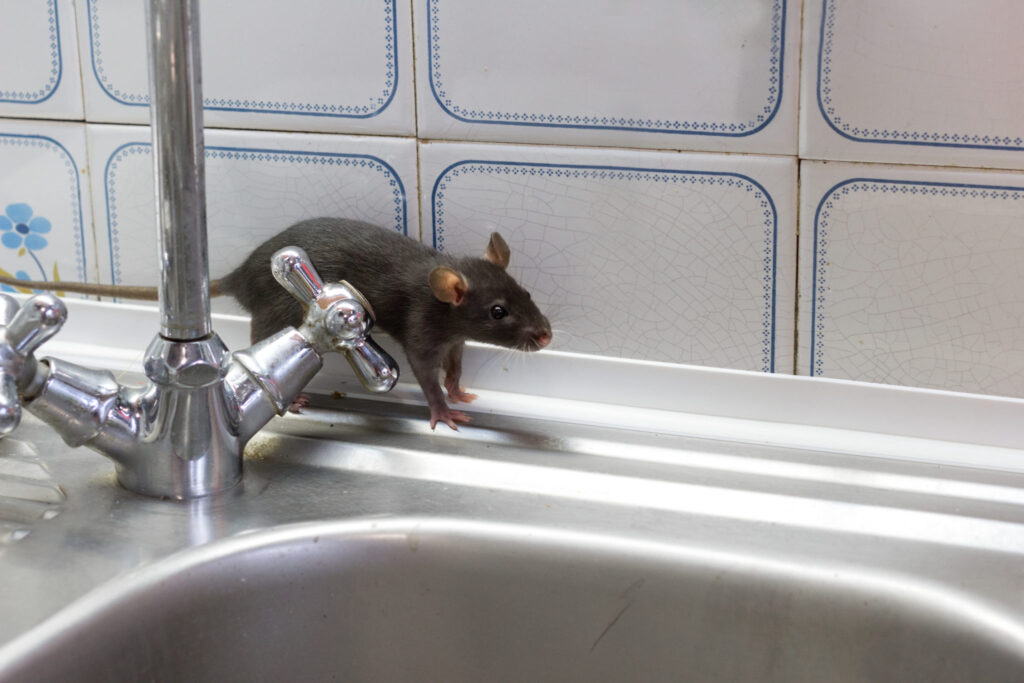
Sydney’s urban landscape creates a perfect storm for rodent infestations. Property owners face unique obstacles that make rodent control challenges Sydney residents encounter particularly complex compared to other Australian cities.
The combination of year-round breeding conditions, dense housing, and abundant food sources means infestations can escalate rapidly. Heritage buildings in inner suburbs offer countless entry points and nesting sites, while new developments push rodents from bushland directly into residential zones. High-density areas like the CBD and Surry Hills enable rodents to move seamlessly between properties through shared walls, drainage systems, and underground networks. Professional rodent control sydney services help manage these challenges effectively, ensuring both prevention and safe removal.
Urban rodent control demands immediate attention. A single breeding pair of house mice can produce up to 200 offspring within four months. Delayed action transforms a minor problem into a widespread infestation affecting multiple properties. The proximity to native wildlife habitats adds another layer of complexity—control methods must target pest species while protecting native rats that pose no health risks.
How Sydney’s Unique Environment Contributes To Rodent Infestations
Sydney’s mild climate allows rodents to breed throughout the year, unlike colder areas where winter slows down rodent activity. This means that in Sydney, rodents can reproduce continuously, with female rodents having the ability to give birth to multiple litters all year round.
Factors That Increase Rodent Infestation Risks
The environment in Sydney has certain features that make it more likely for rodent infestations to occur:
Stable temperatures between 8°C and 26°C create ideal conditions for rodents to survive and breed
Little variation in temperature means that natural population controls, which usually happen in places with harsh winters, do not take effect
Longer breeding seasons allow Norway rats to have up to 7 litters each year, with each litter consisting of 6-12 baby rats
Urban Areas: A Haven for Rodents
Rodent infestations are particularly severe in Sydney’s densely populated residential and commercial areas. Places like the Central Business District (CBD), Surry Hills, and Newtown have interconnected spaces where rodents can easily move from one property to another through shared walls, underground utility lines, and drainage systems.
Food Sources for Rodents
The availability of food in urban areas provides an endless supply of nourishment for growing rat colonies. Sydney’s vibrant restaurant scene, outdoor dining culture, and waste management issues create constant sources of food. Bins that are not properly sealed, food leftovers in alleyways, and easily accessible compost piles attract rodents from nearby locations.
Water Sources for Rodents
The problem worsens with the presence of water sources. Leaking pipes, condensation from air conditioning units, bowls of water left out for pets, and decorative water features provide the moisture that rats need to establish permanent territories. Properties located near Sydney Harbour, Parramatta River, and Cooks River face greater risks as these waterways serve as natural pathways for rodents to enter residential areas.
Entry Points for Rodents
Older suburbs with historic architecture have many entry points due to crumbling foundations, roof spaces, and wall cavities. On the other hand, new constructions disturb existing rat habitats, forcing displaced populations into nearby established neighborhoods.
Which Common Rodent Species Pose A Threat To Sydney’s Urban Properties?
Three distinct pest species dominate Sydney’s urban landscape, each requiring different control approaches.
1. Norway Rats
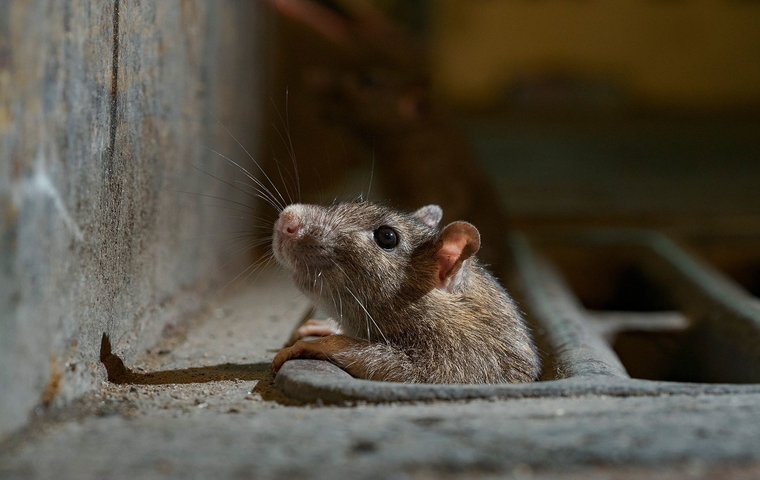
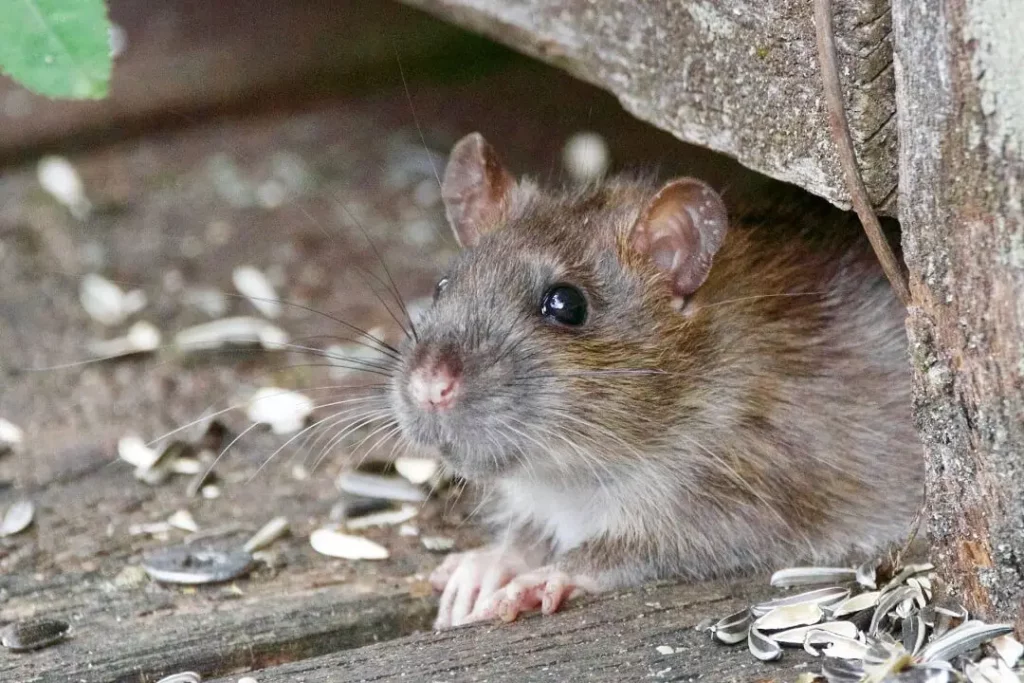
Norway rats establish themselves near ground level, particularly around waterways, drainage systems, and building foundations where they create extensive burrow networks. These robust rodents can weigh up to 500 grams and typically display brown or grey fur with blunt noses and small ears.
2. Roof Rats
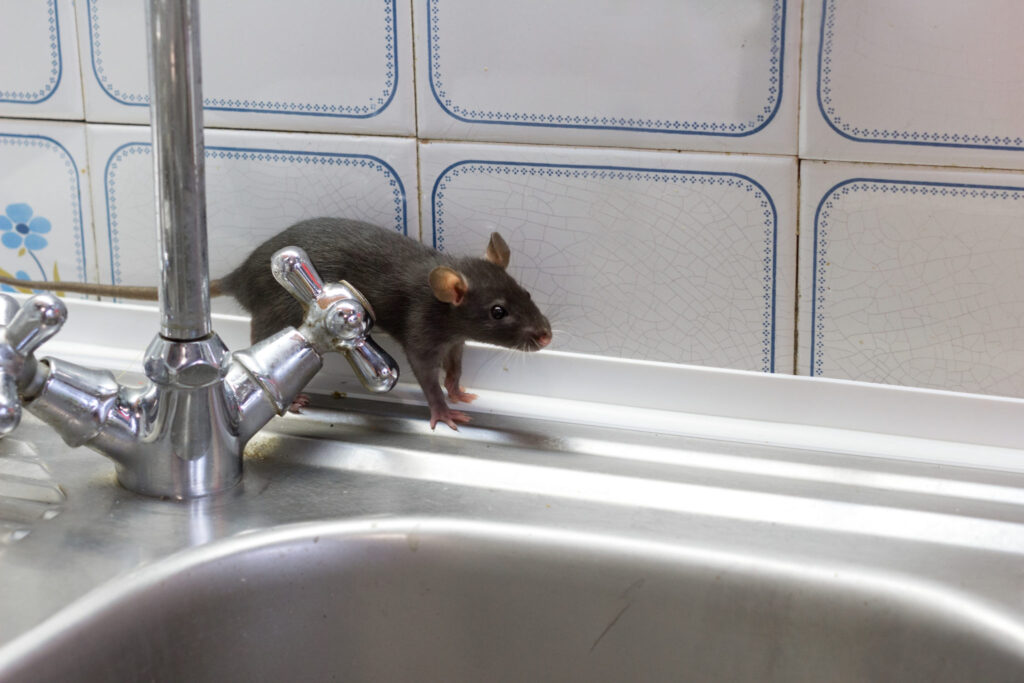
Roof rats characteristics differ significantly from their Norway cousins. These agile climbers prefer elevated spaces like roof cavities, wall voids, and tree canopies. Their sleek bodies, measuring 16-20cm with tails longer than their bodies, allow them to navigate narrow spaces and vertical surfaces with ease. Dark brown to black colouring helps distinguish them from Norway rats.
3. House Mice
House mice present unique challenges due to their rapid reproduction rates. A single female can produce 5-10 litters annually, with each litter containing 5-6 pups. Their small size—just 7-10cm in body length—enables them to squeeze through gaps as narrow as 6mm, making exclusion particularly difficult.
Accurate species identification determines treatment success. Norway rats respond best to ground-level bait stations and burrow treatments, while roof rats require elevated placement strategies targeting their arboreal habits. House mice need intensive monitoring due to their prolific breeding, often requiring multiple trap types and closer bait station spacing.
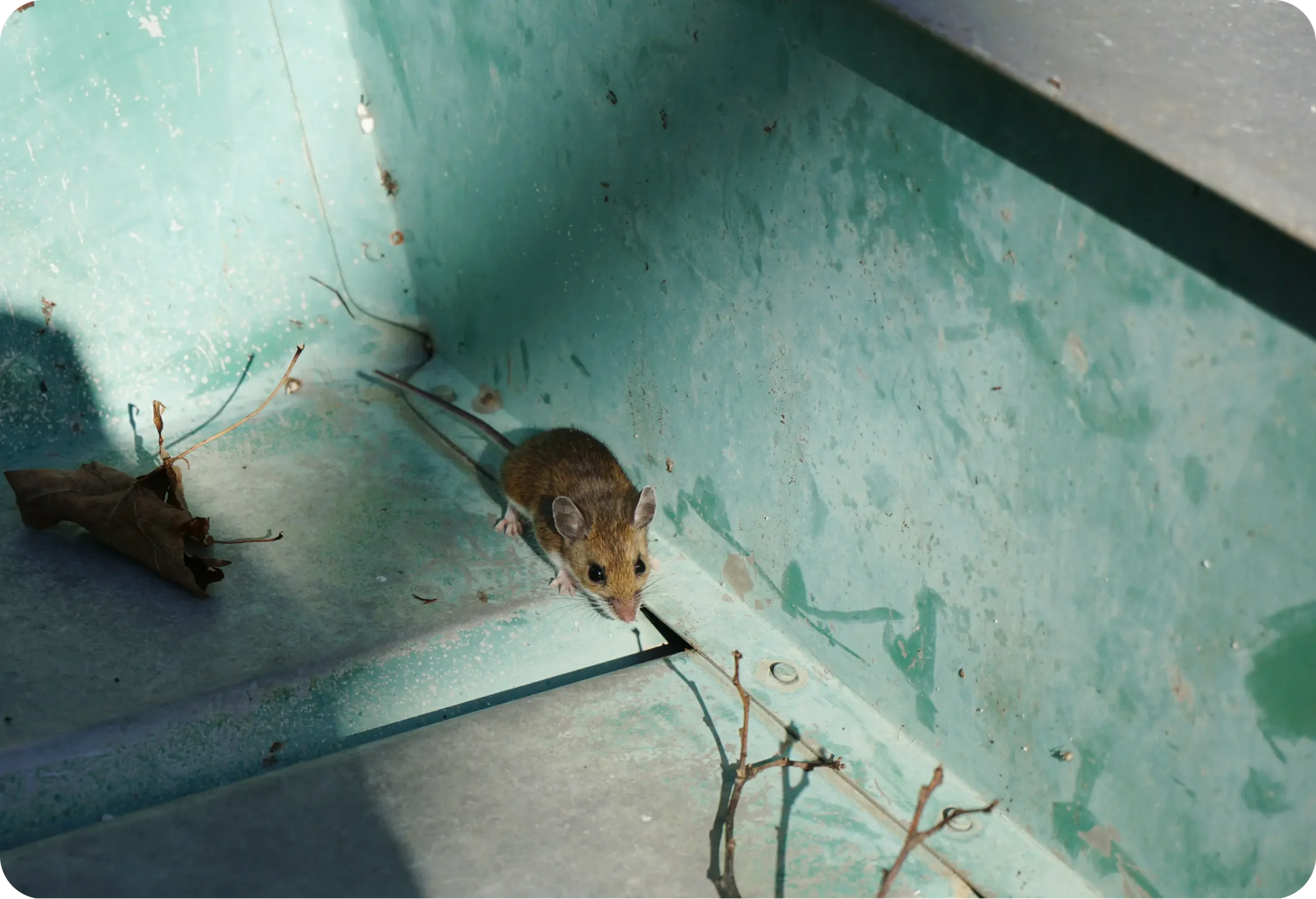
Sydney also hosts native species including Bush Rats, Water Rats (Rakali), and Swamp Rats. These protected animals rarely enter buildings and don’t spread diseases like their introduced counterparts. Professional identification prevents unnecessary harm to native wildlife while focusing control efforts on genuine pest species.
What Are The Health Risks And Property Damages Associated With Rodent Infestations In Urban Areas?
Rodent infestations pose serious health risks to Sydney residents by spreading diseases and causing contamination. Here are some of the health risks associated with rodent infestations:
Leptospirosis: This disease is transmitted through contact with rodent urine in water or soil. It can cause severe flu-like symptoms and may lead to organ failure if left untreated.
Hantavirus: Although less common in Australia, Hantavirus remains a concern as it can be inhaled from contaminated dust containing rodent droppings.
Salmonellosis: Rodents can contaminate food, leading to the transmission of salmonellosis, which causes gastrointestinal illness.
Asthma attacks: Sensitive individuals may experience asthma attacks triggered by exposure to rodent droppings and dander.
The presence of rodents in urban areas also results in significant property damage. Here are some ways in which rodents can harm buildings:
Electrical wiring damage: Rodents have a tendency to gnaw on electrical wires, which poses a significant fire hazard. Damaged insulation around the wires can potentially lead to electrical faults and fires.
Water pipe damage: Rodents’ sharp teeth can easily chew through water pipes, resulting in costly leaks and water damage.
Insulation deterioration: When rodents make nests within walls or roofs, they can rapidly degrade insulation materials. This not only reduces energy efficiency but also creates entry points for further infestations.
In addition to these immediate dangers, property owners in Sydney also face financial burdens due to contaminated food supplies in kitchens and storage areas. Timber structures, especially those found in heritage buildings, are at risk of degradation as rodents gnaw through beams and floorboards.
Given the combined health risks posed by rodents to Sydney residents and the extensive property damage they cause, professional rodent control becomes crucial. Effective solutions for urban properties are necessary to safeguard both human health and the integrity of buildings.
How Can Property Owners Effectively Identify The Sources Of Rodent Infestations?
A comprehensive rodent inspection Sydney requires examining both interior and exterior spaces to pinpoint where rodents enter, nest, and feed. Property owners should look for droppings (fresh droppings appear dark and moist), gnaw marks on wood or plastic, greasy rub marks along walls where rodents travel, and urine stains visible under UV light.
Common Entry Points
Entry points commonly include:
Gaps around pipes and utility lines entering buildings
Damaged roof tiles or loose eaves
Cracks in foundations or walls wider than 6mm
Unsealed vents and air conditioning units
Gaps beneath doors or damaged weather stripping
Identifying Infestation Sources
Infestation source identification extends to locating active nests in wall cavities, roof spaces, subfloors, storage areas, and dense vegetation near buildings. Rodents prefer undisturbed areas with soft nesting materials like shredded paper, insulation, or fabric.
Checking Food Sources
Food sources require equal attention. Check for accessible garbage bins, pet food left outdoors, fallen fruit from trees, compost heaps, and poorly sealed pantry items.
Inspecting Water Sources
Water sources include leaking taps, pet water bowls, air conditioning condensation, and ornamental ponds.
Sydney’s heritage properties often contain multiple concealed entry points in aging brickwork and timber structures, while modern apartments may have rodents entering through shared plumbing chases or ventilation systems connecting multiple units.
What Eco-Friendly Solutions Are Available For Managing Rodents In Urban Properties?
Eco-friendly rodent control methods Sydney property owners can implement focus on minimizing environmental impact while effectively managing infestations. These solutions protect native wildlife, reduce chemical exposure, and maintain ecosystem balance in urban settings.
1. Tamper-Resistant Bait Stations
Tamper-resistant bait stations represent a cornerstone of environmentally conscious rodent management. These secure devices contain first-generation anticoagulants that break down quickly in the environment, preventing secondary poisoning of native predators like owls and kookaburras. The stations’ design ensures only target pest species can access the bait, keeping children, pets, and non-target wildlife safe.
2. Humane Trapping Techniques
Humane trapping techniques offer chemical-free alternatives for specific pest species identification and removal:
Snap traps: positioned strategically along rodent pathways provide instant, humane elimination
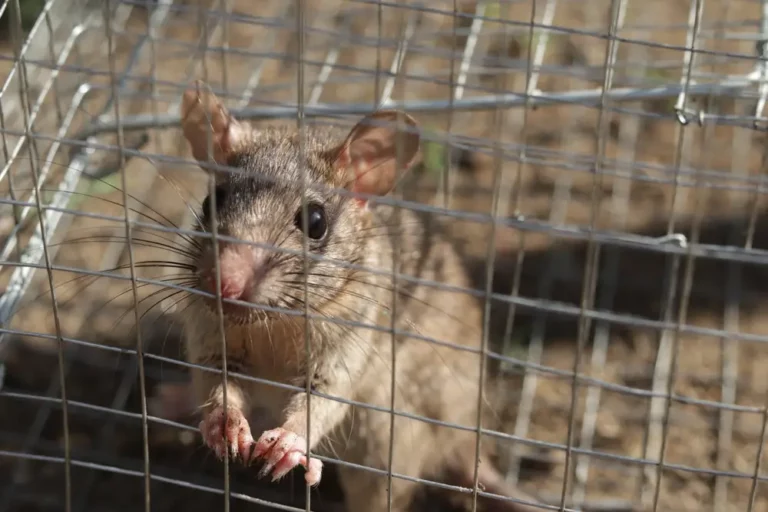
Live-capture traps: allow for species verification before disposal, ensuring native Bush Rats or Water Rats aren’t mistakenly targeted
Multi-catch mouse traps: efficiently handle house mice populations in commercial kitchens and food storage areas
The placement of these devices requires expertise. Roof rats demand elevated trap positioning near ceiling access points, while Norway rats respond better to ground-level stations near water sources and burrow entrances.
3. Mechanical Exclusion Methods
Mechanical exclusion methods complement trapping programs by addressing root causes. Installing rodent-proof mesh over ventilation points, sealing gaps around pipes with steel wool and caulk, and fitting door sweeps creates physical barriers without chemicals.
Professional pest controllers increasingly combine these eco-friendly approaches with integrated pest management principles, rotating methods to prevent rodent adaptation while maintaining environmental stewardship. This strategic approach proves particularly effective in Sydney’s sensitive ecosystems where bushland meets urban development.
Why Is Ongoing Monitoring And Maintenance Essential In Urban Rodent Control Programs?
Rodent bait station monitoring Sydney programs require consistent oversight because rodent populations can rebound within weeks if treatments lapse. Regular checks every 7-14 days allow technicians to assess bait consumption patterns, indicating active infestations that need immediate attention.
Pest control maintenance visits serve multiple critical functions:
Replenishing consumed bait before stations become empty and ineffective
Identifying new entry points that rodents create as they adapt to control measures
Detecting early warning signs like fresh droppings or gnaw marks before populations explode
Adjusting station placement based on changing rodent movement patterns
Sydney’s urban environment presents unique challenges where neighbouring properties may harbour untreated infestations, creating constant reintroduction risks. A single pregnant female mouse can produce 40-50 offspring annually, making Rodent Control Sydney: The Most Effective Solutions for Urban Properties dependent on vigilant monitoring rather than one-time treatments. Professional technicians document each visit, tracking trends that reveal whether current strategies remain effective or require modification.
What Preventative Measures Can Property Owners Take To Minimize The Risk Of Future Rodent Problems?
Property owners can significantly reduce rodent attraction by eliminating access points and removing food sources. Implementing rodent prevention strategies Sydney professionals recommend creates a hostile environment for pest establishment.
1. Structural Modifications
Structural modifications form the first line of defense:
Seal all gaps larger than 6mm around pipes, vents, and utility lines with steel wool or copper mesh
Install door sweeps on exterior doors and repair damaged weather stripping
Screen roof vents and chimney openings with heavy-gauge wire mesh
Repair cracks in foundations and walls using concrete or metal flashing
Ensure windows close properly and replace torn screens
2. Sanitation Practices
Sanitation practices eliminate food and water sources that sustain rodent populations:
Store food in airtight glass or metal containers rather than cardboard or plastic
Clean up spills immediately and vacuum crumbs daily
Keep garbage in sealed bins and remove waste regularly
Trim vegetation at least 30cm away from building exteriors
Remove standing water from gutters, air conditioning units, and plant saucers
Store pet food in sealed containers and avoid leaving bowls out overnight
3. Outdoor Maintenance
Outdoor maintenance reduces harboring sites around properties. Clear debris piles, stack firewood at least 50cm from structures, and maintain tidy garden beds. Properties near bushland or waterways require extra vigilance, as these areas naturally support higher rodent populations that may migrate into urban spaces.
How Do Professional Pest Control Services Customize Their Approaches For Different Types Of Urban Properties?
Professional pest control services Sydney adapt their strategies based on each property’s unique layout, usage patterns, and risk factors. A heritage terrace in Surry Hills requires different treatment methods compared to a modern high-rise apartment or commercial kitchen.
Residential Properties
Residential properties receive tailored approaches depending on their age and construction:
Older homes with weatherboard cladding and suspended floors need extensive perimeter treatments and subfloor inspections
Newer apartments focus on common entry points like air conditioning ducts and utility penetrations
Multi-story buildings require specialized access equipment to treat rooflines and upper-level entry points where roof rats commonly enter
Commercial Establishments
Commercial establishments demand customized rodent solutions urban properties that account for operational requirements:
Restaurants and cafes: Discreet bait station placement away from food preparation areas, with treatments scheduled during closed hours
Warehouses: Large-scale monitoring systems covering extensive floor space and loading dock vulnerabilities
Office buildings: Focus on shared walls, ceiling voids, and basement car parks where rodents travel between tenancies
Retail spaces: Non-toxic monitoring devices in customer-facing areas combined with intensive treatments in storage rooms
Heritage-Listed Buildings
Heritage-listed buildings present additional challenges requiring gentle methods that preserve architectural features while eliminating infestations. Licensed technicians assess structural vulnerabilities without damaging historical elements, using minimal-impact exclusion techniques and carefully positioned monitoring stations that blend with period aesthetics.
Why Should Property Owners Consider Engaging Licensed Technicians And Scheduling Annual Inspections For Sustainable Rodent Control In Sydney’s Urban Environment?
Licensed pest technicians Sydney bring specialized training and regulatory compliance that ensures rodent control methods meet environmental safety standards. These professionals possess in-depth knowledge of pest species identification, behavior patterns, and the most effective treatment protocols for urban settings. Their expertise extends beyond simple extermination to implementing integrated pest management strategies that protect both properties and Sydney’s native wildlife.
Professional advantages include:
Access to commercial-grade products unavailable to the general public
Proper handling and application of rodenticides to minimize environmental impact
Understanding of legal requirements for pest control in residential and commercial zones
Insurance coverage protecting property owners from liability
Annual rodent inspections preventive care serves as the foundation for long-term protection in Sydney’s densely populated neighborhoods. Rodent populations can explode within weeks when conditions favor breeding, making reactive approaches costly and less effective. Scheduled inspections detect early warning signs—such as fresh droppings, gnaw marks, or entry points—before full-scale infestations develop.
The preventive model proves particularly valuable in high-density areas where rodent movement between properties occurs frequently. A single untreated infestation can rapidly spread throughout apartment complexes, terraced houses, or commercial strips. Licensed technicians establish monitoring systems that track rodent activity patterns and adjust treatment strategies accordingly.
Rodent Control Sydney: The Most Effective Solutions for Urban Properties relies on this proactive framework. Regular professional assessments identify structural vulnerabilities, environmental attractants, and population trends that property owners might overlook. This systematic approach reduces long-term costs associated with emergency callouts, extensive property repairs, and health hazards from established rodent colonies.
Conclusion
Sydney’s urban environment requires a careful plan for pest management that keeps both properties and ecosystems safe. Property owners who act quickly at the first signs of rodent activity can avoid expensive repairs and health risks later on.
Effective rodent control solutions Sydney property owners can implement include:
Partnering with licensed pest control professionals who understand local rodent behavior
Scheduling regular property inspections to catch problems early
Combining eco-friendly treatments with structural modifications
Maintaining vigilance through ongoing monitoring programs
The complexity of Rodent Control Sydney: The Most Effective Solutions for Urban Properties requires expertise that balances rapid response with environmental responsibility. Licensed technicians bring specialized knowledge of Sydney’s unique challenges, from heritage buildings to high-density developments.
Taking a proactive stance means fewer disruptions, lower long-term costs, and peace of mind. Property owners who invest in professional assistance and preventative strategies create lasting protection against rodent infestations while contributing to a healthier urban ecosystem for all Sydney residents.
What Does an Arborist Do in Heritage Tree Management?
An arborist is a certified tree care specialist trained in the science and practice of planting, maintaining, and diagnosing trees. In heritage tree management, arborists serve as guardians who combine technical expertise with deep understanding of tree biology to ensure these valuable specimens receive appropriate care.
Heritage trees in Pymble represent living connections to the area’s past. These mature specimens—often native eucalypts, figs, or historically significant plantings—contribute to the suburb’s distinctive character. They provide shade along residential streets, support local wildlife, and stand as witnesses to generations of community development. Many have been formally recognized for their age, size, botanical rarity, or association with significant events. Engaging Pymble tree services is often essential to ensure these remarkable trees receive the care they require.
Professional management becomes essential when dealing with these irreplaceable assets. Unlike standard trees, heritage specimens require specialized assessment techniques and careful intervention strategies. An arborist Pymble brings qualifications that enable them to:
Evaluate complex structural issues in aging trees
Recommend treatments that extend tree lifespan without compromising safety
Navigate the regulatory framework protecting these specimens
Balance preservation goals with practical safety concerns
Without professional oversight, well-intentioned but improper care can accelerate decline or create hazardous conditions. The importance of Pymble tree services lies in their ability to make informed decisions that honor both the tree’s historical significance and the community’s safety needs.
How Do Arborists Assess the Condition of Heritage Trees?
Arborists conduct comprehensive tree assessments using standardized methodologies to evaluate every aspect of a heritage tree’s condition. The Visual Tree Assessment (VTA) method serves as the primary diagnostic tool, allowing certified professionals to systematically examine trees from ground level to canopy.
During a tree health evaluation, arborists document critical factors:
Species identification and verification against heritage registers
Age estimation through trunk diameter measurements and historical records
Health indicators including foliage density, leaf color, and seasonal growth patterns
Structural integrity assessment of trunk, branches, and root systems
The process involves detecting signs of stress, disease, or decay that may not be immediately visible to untrained observers. Arborists examine bark texture for abnormalities, check for fungal growth indicating internal rot, and assess branch attachment points for structural weaknesses. They measure trunk circumference at standard heights and document any cavities, wounds, or previous pruning work.
Expert knowledge proves invaluable when diagnosing complex conditions. A qualified arborist recognizes subtle symptoms like premature leaf drop or unusual bark shedding that signal underlying problems. They understand how different species respond to environmental stressors and can distinguish between natural aging processes and concerning deterioration. This specialized expertise enables accurate risk prediction and appropriate intervention recommendations tailored to each heritage tree’s unique circumstances.
What Local Regulations Do Arborists Help Clients Comply With When Working on Heritage Trees?
Heritage trees in Pymble are protected by various laws that property owners must follow before doing any work on them. These regulations include:
State Environmental Planning Policy (SEPP): This policy sets minimum protections for important vegetation, including heritage trees.
Local Government Act 1993: This law gives councils the power to create tree preservation orders for trees that have historical or environmental value.
Biodiversity Conservation Act 2016: This act adds another level of protection, especially when heritage trees serve as homes for native species or contribute to ecological corridors.
The Role of Arborists in Navigating Heritage Tree Regulations
Arborists play a crucial role in helping clients understand and comply with these complex regulations. Here’s how they do it:
Interpreting Legal Requirements: Arborists take the legal language of these regulations and translate it into practical action plans that property owners can follow.
Determining Applicable Frameworks: They assess each heritage tree individually, considering factors such as its species, location, and conservation status to determine which specific laws apply.
Preventing Costly Mistakes: By having this expertise, arborists can help clients avoid expensive errors. If work is done on protected trees without permission, it can lead to hefty fines—over $1 million for individuals and even higher penalties for corporations.
The Importance of Detailed Documentation
When applying for permits to carry out work on heritage trees, detailed documentation is often required. Arborists are skilled at preparing these documents, which typically include:
Tree condition reports: These reports provide an assessment of the health and condition of the tree, supported by photographs.
Impact assessments: Arborists justify the proposed work by explaining its potential effects on the tree and surrounding environment.
Alternative solutions: They demonstrate their commitment to minimizing disturbance by presenting alternative approaches that require less intervention.
Replacement planting plans: In cases where removal becomes unavoidable, arborists outline plans for replacing the removed tree with new plantings.
Building Relationships with Council Officers
Navigating local approval processes can sometimes be lengthy and bureaucratic. However, arborists have established relationships with council officers, which helps streamline this process. They understand the specific timelines and requirements set by local authorities, ensuring that applications are submitted correctly and promptly.
By involving arborists in heritage tree projects, clients can ensure compliance with SEPP while also protecting themselves from legal issues that may arise due to unintentional but improperly executed tree care practices.
Why Is It Important to Preserve Both the Cultural Heritage and Ecological Value of Heritage Trees?
Heritage trees are important for two main reasons: they represent our history and they benefit the environment.
The Cultural Significance of Heritage Trees
Heritage trees have stories to tell. They can be witnesses to historical events, memorials for influential individuals, or symbols of unique plant species that shaped our surroundings. These mature trees hold a special place in the hearts of Pymble residents, connecting them to their community’s past.
The Environmental Benefits of Heritage Trees
But heritage trees offer more than just cultural significance. They also provide invaluable ecological advantages that newer trees cannot match for many years. Here are some ways in which these ancient giants contribute to our environment:
Carbon Sequestration: Heritage trees absorb carbon dioxide from the atmosphere, helping combat climate change. This process is crucial for achieving climate-smart mitigation activities and preserving our planet.
Habitat Provision: They serve as homes and nesting sites for various native wildlife species, promoting biodiversity.
Microclimate Regulation: Mature trees create cool microclimates beneath their canopy, influencing temperature and humidity levels in their vicinity.
These environmental benefits are crucial for maintaining a healthy ecosystem and combating urban heat island effects.
How Arborists Help Preserve Both Cultural Heritage and Ecological Value
To ensure the preservation of both cultural heritage and ecological value associated with heritage trees, arborists play a vital role. Here’s how they contribute:
Customized Tree Preservation Practices
Arborists develop tailored preservation strategies that consider both aspects of significance—cultural heritage and ecology. Here are some practices they may implement:
Soil Assessment: Understanding soil conditions is essential for promoting healthy tree growth. Arborists conduct soil tests to determine nutrient levels and pH balance.
Nutrient Programs: Based on soil assessments, arborists design targeted nutrient programs to address any deficiencies or imbalances.
Pruning Schedules: Regular pruning is necessary to maintain structural integrity and prevent hazards. However, it should be done carefully so as not to alter the historical form of the tree.
Specialized Care for Declining Cultural Heritage Trees
For cultural heritage trees showing signs of decline due to age or other factors, specialized care may be required. Here are some techniques specialists might recommend:
Cabling Systems: Installing cables can provide support to weak branches or trunks, preventing breakage while preserving aesthetic qualities.
Root Zone Protection Measures: Protecting the area around a tree’s roots is crucial for its overall health. This may involve avoiding construction activities or using specific materials during nearby development projects.
Balancing Progress with Preservation
Construction activities often pose risks to heritage trees’ survival and their associated values. To mitigate these threats, collaboration between arborists, builders, and other stakeholders is essential.
Establishing Protection Zones
Arborists establish protection zones around tree root systems during construction projects. These zones act as buffer areas where no heavy machinery or excavation work should take place.
Monitoring Soil Compaction Levels
Excessive soil compaction can harm tree roots by restricting oxygen flow and water absorption.
What Risk Management Strategies Do Arborists Use to Keep Heritage Trees Safe and Healthy?
Tree risk assessment is the first step in protecting heritage trees and keeping people safe. Arborists carefully inspect trees for signs of problems like disease, decay, damaged roots, and weak structures that could cause branches to break or the whole tree to fall.
Identifying Hazards
During their inspections, arborists pay close attention to:
The crown structure of the tree, looking for any dead, dying, or poorly attached limbs
The integrity of the trunk, checking for splits, cracks, or fungal growth
The condition of the root systems, looking for signs of rot, girdling, or compacted soil
Any lean angles that may indicate potential instability
Creating Intervention Plans
When arborists find risks, they come up with specific plans to address them. Here are some common strategies they use:
Pruning dangerous branches: This involves removing branches that pose an immediate threat while still preserving the tree’s natural shape and historical significance.
Removing deadwood: By getting rid of brittle limbs that are likely to break during storms or strong winds, arborists can prevent accidents from happening.
Installing cables and braces: These support systems help strengthen weak joints or heavy branches without altering the tree’s appearance.
Preventing Small Issues from Becoming Big Problems
To avoid small problems turning into emergencies, arborists establish regular monitoring schedules. After severe weather events, they conduct inspections to quickly identify any new damage and protect both the tree and nearby property.
Keeping Records for Long-Term Preservation
Arborists make sure to document all their findings and recommendations during inspections. This creates a detailed history of risk management actions taken on each tree. Such records are valuable for making long-term preservation decisions and fulfilling insurance and liability obligations for property owners.
Moreover, the care and protection of big important trees is crucial in ensuring their longevity and health. This involves not only addressing immediate risks but also implementing strategies for ongoing maintenance and preservation.
How Can Arborists Support Development Projects While Still Protecting Heritage Trees?
Arborists conduct development impact assessments to evaluate how construction activities might affect heritage trees before work begins. During projects like the Pymble Station Upgrade, they examine root zones, canopy spread, and soil conditions to determine which trees face the greatest risk from excavation, machinery movement, or structural changes. These assessments identify specific vulnerabilities and establish clear boundaries for construction activities.
Tree protection plans form the backbone of heritage tree preservation during development. Arborists design customized protection strategies that include:
Installing physical barriers around root protection zones
Specifying exclusion areas where machinery cannot operate
Scheduling construction phases to minimize stress during critical growth periods
Monitoring soil compaction and implementing remediation measures
Providing ongoing supervision throughout the construction timeline
The challenge lies in meeting urban development requirements without compromising tree health. Arborists work directly with engineers, architects, and project managers to modify construction methods when standard approaches threaten heritage trees. They might recommend alternative foundation designs, adjusted access routes, or specialized equipment that reduces ground pressure. This collaborative approach ensures infrastructure projects proceed while maintaining the ecological and cultural assets that define Pymble’s character. Arborists serve as advocates for heritage trees, translating their biological needs into practical construction constraints that development teams can implement.
What Specialized Services Do Arborists Provide Specifically for the Care of Heritage Trees?
Pruning services are the most important part of taking care of heritage trees. Arborists use specific methods that respect the tree’s natural shape while getting rid of deadwood and sick branches. Certified experts know how to work carefully with older trees, making cuts that help the tree heal instead of creating openings for diseases.
Heritage trees need special care that goes beyond regular maintenance:
Crown thinning and reduction to manage weight distribution in aging limbs
Structural pruning to address weak branch unions before they become hazards
Deadwooding to eliminate brittle branches that pose safety risks during storms
Stump grinding following necessary removals, preserving soil integrity for nearby heritage specimens
After severe weather events damage heritage trees, emergency tree removal services become crucial. Arborists quickly respond to assess storm damage, stabilize partially fallen trees, and decide whether restoration or removal offers the best outcome for the specimen’s survival.
Long-term preservation consulting addresses Pymble’s specific environmental conditions, including soil composition, rainfall patterns, and native pest pressures. Arborists develop customized management plans that account for each heritage tree’s unique characteristics, recommending soil amendments, pest management protocols, and monitoring schedules. This proactive approach identifies subtle changes in tree health before they escalate into serious problems.
Moreover, understanding the nuances of pruning techniques such as crown cleaning vs thinning can significantly enhance the effectiveness of these specialized services. Such knowledge explains why an arborist Pymble is essential for heritage tree management.
How Arborists Contribute to Community Well-Being and Environmental Sustainability Through Their Work on Heritage Trees
Arborists enhance Pymble’s visual appeal by maintaining heritage trees that define the suburb’s character and create inviting public spaces. Well-maintained mature trees provide shade, reduce urban heat, and create natural landmarks that residents value. These trees transform streetscapes and parks into aesthetically pleasing environments that increase property values and foster community pride.
Supporting Biodiversity through Urban Canopy Cover
Heritage tree preservation directly supports urban canopy cover support biodiversity by protecting habitats for native wildlife. Mature trees provide nesting sites for birds, shelter for possums, and food sources for insects and pollinators. Arborists identify which native species require protection and implement care strategies that maximize ecological benefits while maintaining tree health. Click here to get why tree preservation matters in bushfire-prone zones.
Amplifying Impact through Collaborative Efforts
Collaborative efforts amplify the impact of heritage tree management:
Council partnerships ensure alignment with urban planning and environmental policies
Landscaper coordination integrates heritage trees into broader garden designs
Real estate consultations help property developers understand tree protection requirements
Resident education promotes awareness about the value of preserving mature trees
Bridging Stakeholders for Effective Tree Care
Arborists serve as bridges between different stakeholders, translating technical tree care knowledge into actionable practices. They guide homeowners on proper watering techniques, advise builders on root protection zones, and help councils develop tree management strategies. This multi-stakeholder approach creates a culture of environmental stewardship that extends beyond individual properties to benefit the entire Pymble community.
Why Should You Hire an Arborist for Your Heritage Tree Management Needs in Pymble?
Responsible heritage tree management requires specialized knowledge and professional oversight. An arborist brings the technical expertise needed to assess tree health, structural integrity, and potential risks using standardized methods that protect both the tree and surrounding property.
The importance of hiring an arborist in Pymble for managing heritage trees becomes clear when you consider the regulations involved. These professionals are skilled at navigating complex local government policies, environmental laws, and permit requirements. By doing so, they ensure that your tree care activities remain compliant with SEPP regulations and the Biodiversity Conservation Act 2016.
What sets qualified arborists apart is their combination of strategies for reducing risks and preserving these trees. They are able to identify potential dangers such as diseases or structural weaknesses before they escalate into serious problems. At the same time, they implement care practices that prolong the lifespan of these culturally significant trees. This ability to strike a balance between development needs and conservation goals proves invaluable during construction projects or infrastructure upgrades.
By hiring a certified arborist, you are not only protecting your investment in Pymble’s natural heritage but also safeguarding your property and community for future generations.
What Do Arborists Do to Manage Tree Preservation and Bushfire Risk in Wahroonga?
Arborists in Wahroonga are important advisors who assist residents in dealing with the complicated issues of tree preservation and bushfire risk management. Wahroonga, located on Sydney’s Upper North Shore, is in an area prone to bushfires where eucalyptus forests meet residential properties. This creates unique challenges for homeowners.
The conflict between protecting homes and preserving the natural environment requires specialized knowledge. Professional arborists have the expertise to identify which trees pose real fire risks and which ones can safely stay. They evaluate the health of trees, how flammable the species is, and how close they are to structures in order to create management plans tailored to each site.
Here are some of the main tasks that Wahroonga arborist do for residents in Wahroonga:
Conducting thorough assessments of vegetation to find hazardous trees and branches
Providing advice on compliant clearing according to the 10/50 Code set by the NSW Rural Fire Service
Carrying out strategic pruning to reduce fuel loads while keeping trees healthy
Making sure all work follows Australian Standard AS 4373-2007 for tree pruning
Understanding Tree Preservation Orders and regulations set by the local council
These professionals know that clearing everything will harm ecosystems and increase erosion risks on Wahroonga’s sloped land. Their main focus is to create defensible space around homes without harming the environmental values that make this area attractive. By carefully planning and carrying out their work, arborists assist residents in achieving both safety and sustainability when it comes to managing bushfire risks.
How Do Trees Contribute to Bushfire Risks in Wahroonga?
Trees and vegetation serve as fuel sources that can amplify the spread of bushfires and heighten the risk of property damage. When bushfires break out, they consume any organic material in sight—such as leaves, bark, branches, and even entire tree canopies—generating intense heat that can ignite nearby buildings and cause flames to spread across the landscape.
The bushfire risks faced by Wahroonga residents arise from various vegetation-related factors:
Dead and dying trees pose the greatest danger. These standing or fallen trees contain dry, brittle wood that catches fire quickly and burns at extremely high temperatures. Their unstable structure means they can collapse during fires, scattering embers over larger areas.
Dry grass and ground-level vegetation create continuous fuel beds that enable fire to move swiftly between ignition points. During Wahroonga’s hot, dry summers, this undergrowth becomes especially volatile, requiring very little heat to catch fire.
Overgrown shrubs located near homes act as “fuel ladders”—vertical pathways that carry ground fires up into tree canopies and building structures. Dense shrub growth within 10 meters of houses creates direct routes for flames to reach walls, windows, and roofs.
Accumulated leaf litter and bark debris beneath trees worsen these risks by providing easily ignitable material. Eucalyptus species commonly found in Wahroonga shed strips of bark and oil-rich leaves that can ignite from airborne embers, sometimes hours before the main fire front arrives.
What Are the Key Vegetation Clearing Regulations Set by the NSW Rural Fire Service?
The NSW Rural Fire Service provides specific vegetation clearing regulations through the 10/50 Vegetation Clearing Code, designed to reduce bushfire fuel loads around residential properties. This code allows property owners to clear vegetation within designated distances from their homes without requiring approval, streamlining the process of creating defensible space during bushfire season.
Under this framework, residents can remove:
Trees within 10 meters of their dwelling
Shrubs and undergrowth within 50 meters of their dwelling
The code applies to properties mapped within bushfire-prone land, giving homeowners direct control over immediate fire risk reduction. Property owners must verify their eligibility through the NSW Rural Fire Service’s online mapping tool before undertaking any clearing work.
However, protected areas remain off-limits to clearing, even under the 10/50 code. These restrictions safeguard environmentally sensitive locations:
Slopes exceeding 18 degrees gradient
Areas containing Aboriginal cultural heritage sites
Land designated as critical habitat for threatened species
Trees marked with Tree Preservation Orders
Clearing in these protected zones requires formal approval from local councils or the Rural Fire Service. Unauthorized removal can result in substantial penalties and damage to critical ecosystems that support Wahroonga’s biodiversity.
It’s important to note that certain areas such as riparian zones along waterways and wetlands are also protected under these regulations. These zones are vital for maintaining water quality and supporting diverse wildlife.
Furthermore, specific types of land are recognized for their biodiversity values, as indicated in the types land biodiversity values map. This includes areas that may not be immediately obvious but play a crucial role in our ecosystem.
Why Is Tree Preservation Still Important in Bushfire-Prone Zones Like Wahroonga?
Tree preservation benefits go beyond just looking nice. They are crucial for local ecosystems, even in areas prone to fires. Mature trees are home to native wildlife such as possums, birds, and insects that rely on tree hollows, bark, and canopy cover for shelter and breeding. When too many trees are cut down, it disrupts these biodiversity habitat protection networks, leading to a decline in species and an ecological imbalance that may take decades to fix.
Preventing Erosion and Maintaining Stability
The root systems of established trees act as natural anchors in Wahroonga’s hilly terrain. These networks hold soil particles together, preventing erosion during heavy rainfall and keeping slopes stable. When trees are removed carelessly, exposed soil becomes vulnerable to:
Sheet erosion: This occurs when water flows over the ground and washes away topsoil layers.
Gully formation: This happens when water cuts into the land and creates channels or grooves.
Landslip risks: On steep slopes, the removal of trees can increase the chances of landslides.
Sediment pollution: When soil is eroded, it can end up in nearby waterways, causing pollution.
Fire Safety Through Strategic Tree Retention
Healthy native trees with low-flammability characteristics—such as smooth-barked eucalypts and rainforest species—can still exist within Asset Protection Zones if they are properly maintained. Their canopy provides shade that lowers the temperature of ground-level fuel and reduces moisture loss, creating microclimates that slow down fire progression. By strategically keeping these trees, residents can ensure fire safety while also preserving the environmental services that make Wahroonga’s bushland valuable for both present residents and future generations.
How Can Residents Balance Asset Protection Zones (APZ) With Tree Preservation Efforts?
What exactly is an Asset Protection Zone APZ and how does it work?
An Asset Protection Zone (APZ) creates a defensible buffer around homes by reducing fuel loads that feed bushfires. This zone typically extends from the building’s exterior walls and requires careful management of vegetation to slow fire progression while maintaining ember attack protection.
Which vegetation should residents remove versus preserve?
Priority removals include:
Dead or dying trees that pose immediate fire hazards
Dry grass and leaf litter accumulation near structures
Overgrown shrubs touching or within 2 meters of buildings
Low-hanging branches creating fire ladders to canopies
Vegetation worth preserving:
Healthy native trees positioned at safe distances from structures
Species with low flammability characteristics like eucalypts with minimal bark shedding
Trees providing critical erosion control on slopes
Specimens contributing to local biodiversity corridors
How do effective vegetation management strategies maintain this balance?
Strategic pruning raises canopy heights to prevent ground fires from reaching treetops. Regular maintenance removes dead wood while keeping established root systems intact for soil stability. Professional arborists assess individual tree health and positioning to determine which specimens enhance fire resistance rather than compromise it. This targeted approach reduces fuel loads without creating barren landscapes that increase erosion risk and diminish ecological value.
What Legal Considerations Should Residents Be Aware Of Regarding Tree Preservation Orders (TPO) In Wahroonga?
Tree Preservation Orders (TPO) are legal protections that prevent the removal or damage of specific trees and vegetation without council approval. These orders are enforced by the Ku-ring-gai Council across protected zones in Wahroonga, particularly for trees that hold significant ecological, heritage, or aesthetic value.
Local laws mandate that residents must obtain written consent before removing, pruning, or damaging protected trees. This rule applies even when managing vegetation for bushfire risk reduction. It’s important to note that the 10/50 Vegetation Clearing Code does not override TPOs. Consequently, residents cannot automatically clear protected trees within the 10-meter zone without first consulting council regulations.
Protected categories typically include:
Trees with trunk diameters exceeding specified measurements
Native species listed as significant vegetation
Trees located in environmentally sensitive areas
Heritage-listed trees or those contributing to streetscape character
Penalties for unauthorized removal can reach thousands of dollars, and there may be additional requirements to replant or compensate for ecological loss. Therefore, residents planning vegetation management should consult council records to identify any protected trees on their property before initiating any clearing work.
For those with trees on private land, it’s essential to understand the specific regulations that apply. Professional arborists who are familiar with local regulations can assess whether proposed clearing complies with both bushfire safety requirements and TPO restrictions. They can also provide documentation supporting removal applications when trees pose genuine safety risks, assisting residents in navigating the legal framework while maintaining fire protection standards around their homes.
How Can Strategic Tree Management Enhance Community Safety From Bushfires In Wahroonga?
Strategic tree management directly reduces community safety bushfires risks by targeting high-risk vegetation while maintaining ecological balance. Selective clearing of dead trees, dry undergrowth, and flammable leaf litter creates defensible spaces around homes without eliminating entire tree populations.
Lowering Fuel Loads
Lowering fuel loads through targeted removal achieves measurable fire risk reduction. Dense vegetation acts as a continuous fuel source, allowing flames to spread rapidly between trees and structures. By removing ladder fuels—vegetation that allows fire to climb from ground level into tree canopies—residents interrupt the vertical fire spread pathway. This strategic tree management approach focuses on:
Spacing healthy trees appropriately
Removing lower branches
Clearing combustible material from beneath canopies
Preserving Mature Native Trees
The dual benefit approach preserves mature native trees with low flammability characteristics while eliminating high-risk vegetation. Eucalyptus trees, when properly maintained with cleared understory and adequate spacing, pose less threat than dense shrubland. These preserved trees continue supporting wildlife corridors, preventing soil erosion on Wahroonga’s sloped terrain, and maintaining air quality.
Professional Arborist Assessment
Professional arborists assess individual tree health, species flammability, and positioning relative to structures. They identify which specimens warrant preservation based on fire-resistant qualities and ecological value. This targeted methodology protects both property and environment, demonstrating that effective bushfire preparation doesn’t require wholesale vegetation removal. The Arborist Wahroonga Guide: Why Tree Preservation Matters in Bushfire-Prone Zones emphasizes this balanced methodology as essential for long-term community resilience.
Conclusion
Tree preservation in Wahroonga requires thoughtful decision-making that protects both homes and the environment. Residents who work with qualified arborists can develop vegetation management plans that reduce bushfire fuel loads without sacrificing the ecological benefits mature trees provide to the local landscape.
A balanced approach delivers multiple outcomes:
Reduced fire intensity through strategic clearing of high-risk vegetation
Maintained wildlife corridors and habitat zones
Preserved soil stability on slopes and near waterways
Enhanced property protection through properly designed Asset Protection Zones
The tree preservation summary Wahroonga residents need centers on informed choices rather than blanket clearing. Dead wood, dry undergrowth, and flammable debris near structures pose genuine threats during fire season. Healthy native trees with appropriate maintenance contribute to bushfire preparedness while sustaining the area’s natural character.
Professional arborists bridge the gap between regulatory compliance and environmental stewardship. Their expertise ensures vegetation management aligns with both NSW Rural Fire Service guidelines and local preservation requirements, creating safer communities without compromising Wahroonga’s bushland identity.
Top 5 Eco-Friendly Pest Removal Options for Rodent Control in Sydney
Rodent Control Sydney: Top 5 Eco-Friendly Pest Removal Options offer safe, effective alternatives to traditional chemical treatments. Sydney residents increasingly choose sustainable rodent control methods that protect families, pets, and the environment without compromising effectiveness.
The shift toward eco-friendly pest control sydney options reflects growing awareness about chemical impacts on local ecosystems and human health. Property owners now seek solutions that eliminate rodent problems while preserving Sydney’s unique biodiversity and maintaining safe living spaces.
This guide explores five proven sustainable approaches:
Integrated Pest Management (IPM) for holistic prevention
Biological control using natural predators
Plant-based repellents from botanical sources
Physical control methods without toxic chemicals
Temperature treatments for non-toxic extermination
Each method delivers results while minimizing environmental footprint, making them ideal for homes, businesses, and sensitive areas where conventional pesticides pose risks to children, pets, or native wildlife.
1. Integrated Pest Management (IPM): A Holistic Approach to Rodent Control
What makes IPM rodent control Sydney’s most comprehensive eco-friendly solution?Integrated pest management combines multiple strategies to control rodents while minimizing environmental impact and chemical use. This approach treats pest problems as ecosystem imbalances rather than isolated incidents requiring immediate chemical intervention.
IPM works by addressing the underlying conditions that attract rodents to properties. Rather than relying solely on poisons or traps, this method examines food sources, entry points, nesting sites, and environmental factors that make spaces vulnerable to infestation. The strategy proves particularly effective in Sydney’s urban environment where rodents adapt quickly to single-method control attempts.
Prevention forms the foundation of any successful IPM program. Pest control professionals seal structural gaps, eliminate food and water sources, and modify landscapes to make properties less attractive to rodents. This proactive stance reduces the need for reactive treatments.
Monitoring and identification ensure accurate assessment of rodent activity. Technicians use tracking devices, inspection cameras, and activity logs to determine species, population size, and movement patterns. This data drives decision-making about which interventions will prove most effective.
Targeted interventions apply the least toxic methods first. When prevention and monitoring indicate treatment necessity, IPM practitioners select specific tools matched to the situation:
Minimal-risk pesticides only when other methods prove insufficient
This layered approach creates sustainable, long-term rodent control while protecting Sydney’s environment and public health.
2. Biological Control: Using Nature’s Balance to Fight Rodents
How does biological rodent control work in Sydney to manage pests naturally? Biological control uses predator-prey relationships and natural enemies to control rodent populations without using synthetic chemicals. This method maintains ecological balance by introducing or promoting organisms that naturally hunt rodents, creating a self-sustaining system for managing pests.
Types of Biological Agents Used in Pest Regulation
Natural pest regulation relies on three main types of biological agents:
Predatory birds: Barn owls, kestrels, and hawks actively hunt rats and mice. Installing owl boxes on properties encourages these raptors to establish territories, with a single barn owl family consuming up to 3,000 rodents annually.
Feral cats and native predators: While controversial in some contexts, managed cat colonies in industrial areas can suppress rodent populations. Native quolls and pythons also contribute to natural rodent control in suitable habitats.
Microbial agents: Certain bacteria and fungi target rodents specifically without affecting other wildlife. These biological agents cause diseases in rodent populations while remaining harmless to humans, pets, and beneficial insects.
Benefits of Biological Control Over Chemical Methods
The advantages of biological control over chemical methods include:
No chemical residues: Eliminates risks of secondary poisoning to non-target animals
Cost-effectiveness: Reduced need for repeated chemical applications
Environmental safety: Preserves soil health and water quality
Opportunities for Biological Control Implementation in Sydney
Sydney’s urban environment presents unique opportunities for implementing biological control. Properties near parklands or waterways can benefit the most from raptor programs, while commercial facilities have the potential to integrate multiple biological strategies. Professional pest control services evaluate site suitability and set up appropriate infrastructure to attract beneficial predators.
3. Plant-Based Products: Safe and Effective Rodent Repellents
Can plant-based products truly keep rodents away from your Sydney property? Yes—botanical extracts offer a proven, low-toxicity alternative that repels and eliminates rodents without endangering children, pets, or native wildlife. These biodegradable formulations break down naturally in the environment, leaving no harmful residues while maintaining effectiveness against common Sydney rodent species.
Plant-based rodent repellents Sydney services rely on specific botanical compounds that trigger avoidance behaviors in mice and rats. The active ingredients work by overwhelming rodents’ sensitive olfactory systems or creating unpleasant taste sensations that discourage feeding and nesting. Unlike synthetic chemicals that persist in soil and waterways, these natural solutions decompose safely after serving their purpose.
Common Botanical Extracts in Commercial Formulations
Neem oil contains azadirachtin, a compound that disrupts rodent feeding patterns and reproductive cycles. Sydney pest control providers apply neem-based treatments around entry points and known rodent pathways, creating barriers that discourage intrusion without toxic exposure risks.
Eucalyptus oil produces a strong scent that rodents instinctively avoid due to its association with predator presence. This native Australian plant extract works particularly well in enclosed spaces like roof cavities and storage areas where rodents seek shelter.
Citrus-based formulations utilize d-limonene extracted from orange and lemon peels. This natural solvent breaks down rodent pheromone trails while creating an inhospitable environment that forces existing populations to relocate.
Peppermint oil delivers concentrated menthol that irritates rodent nasal passages, making treated areas uncomfortable for habitation. Professional applications combine peppermint with other botanical pest control products for enhanced deterrent effects across residential and commercial properties.
4. Physical Control Methods: Chemical-Free Solutions to Keep Rodents at Bay
What makes physical control methods effective for rodent management? Physical rodent control Sydney relies on mechanical barriers and devices that capture or exclude rodents without chemicals. These methods form a critical component of sustainable pest management by targeting rodents directly through traps, exclusion techniques, and structural modifications.
Mechanical Traps: Proven Designs for Rodent Control
Mechanical traps for rodents come in several proven designs. Snap traps remain the most common choice, delivering quick results when properly positioned along rodent pathways near walls and entry points. Live-catch traps offer humane alternatives for property owners who prefer relocation, though releasing rodents far from residential areas prevents return visits. Electronic traps provide another option, using sensors to detect rodents and deliver instant, humane elimination.
Exclusion Techniques: Preventing Rodent Access
Exclusion techniques address the root cause by preventing rodent access entirely. Professional pest control services seal entry points using:
Steel wool and copper mesh for gaps around pipes and vents
Heavy-gauge screening over roof vents and chimneys
Door sweeps and weather stripping for ground-level openings
Structural modifications complement these measures. Trimming tree branches that touch buildings removes rodent highways into attics. Installing metal guards around utility lines blocks climbing routes. Proper storage of food in sealed containers and regular waste management eliminate attractants that draw rodents to properties.
The Importance of Regular Monitoring
The effectiveness of physical methods increases dramatically when combined with regular monitoring. Weekly trap inspections ensure timely removal and reset, while seasonal assessments identify new vulnerabilities as buildings settle or weather conditions change. Sydney pest control professionals often recommend quarterly maintenance visits to maintain long-term protection.
5. Temperature Treatments: Using Heat or Cold to Exterminate Rodents Non-Toxically
Can temperature extremes eliminate rodents without chemicals? Heat treatment for rodents Sydney and cold treatment pest control methods use thermal shock to exterminate pests in specific scenarios where traditional approaches prove impractical. These specialized techniques expose rodents to lethal temperatures that disrupt their biological functions without introducing toxins into the environment.
Heat Treatments
Heat treatments raise ambient temperatures to 55-60°C (131-140°F) in enclosed spaces, causing fatal hyperthermia in rodents within hours. This method proves particularly effective for:
Warehouse infestations where food storage areas require chemical-free solutions
Heritage buildings with sensitive materials that cannot tolerate pesticide residues
Commercial kitchens needing immediate pest-free certification without contamination risks
Multi-unit residential properties where coordinated treatment timing becomes essential
Cold Treatments
Cold treatments operate on the opposite principle, using cryogenic substances or controlled freezing to induce hypothermia. Liquid nitrogen or carbon dioxide snow applied directly to rodent nesting sites creates instant lethal conditions at temperatures below -40°C (-40°F).
The primary advantage lies in complete chemical elimination while achieving immediate results. Temperature treatments leave no residues, require no ventilation periods, and pose zero secondary poisoning risks to pets or wildlife. Professional pest control operators in Sydney deploy thermal imaging cameras to identify rodent activity zones before treatment, ensuring comprehensive coverage of affected areas.
These methods work best as part of integrated strategies rather than standalone solutions. Property owners must address entry points and food sources simultaneously to prevent reinfestation after thermal treatments conclude.
How Do Eco-Friendly Pest Control Providers Customize Treatment Plans in Sydney?
Customized eco-friendly rodent control Sydney services begin with comprehensive property inspections that map out every potential entry point and nesting area. Professional providers assess structural vulnerabilities, food sources, water access, and environmental conditions that attract rodents to your specific property.
Interior assessment: identifying droppings, gnaw marks, grease trails, and active infestation zones
Landscaping evaluation: noting vegetation, debris piles, and outdoor attractants
Moisture source identification: locating leaks, standing water, and humidity issues
Eco-conscious companies use these findings to develop targeted strategies rather than applying blanket treatments. A warehouse with multiple loading docks receives different interventions than a residential home with garden rodent activity. Providers match the severity of infestation with appropriate plant-based products, physical barriers, and exclusion methods.
Property inspections for pests also consider occupant safety requirements. Homes with children or pets receive extra emphasis on non-toxic solutions, while commercial kitchens demand food-safe applications. Seasonal patterns specific to Sydney’s climate influence timing and intensity of treatments, with providers adjusting plans for peak rodent breeding seasons.
This diagnostic approach ensures resources target actual problem areas rather than unnecessary widespread application, maximizing effectiveness while minimizing environmental impact. The use of various pest control methods, tailored to each unique situation, further enhances the success of these eco-friendly pest control strategies.
Why Is Certification Important Among Eco-Conscious Pest Control Companies?
Certifications provide verifiable proof that pest control companies meet rigorous environmental and safety standards. Green pest control certifications Sydney providers hold demonstrate their commitment to sustainable practices beyond marketing claims, giving customers confidence in their eco-friendly approach.
Recognized certifications establish accountability through third-party verification. Companies displaying these credentials undergo regular audits and must maintain specific protocols for product selection, application methods, and environmental protection. This transparency helps consumers distinguish genuinely sustainable services from conventional operators using superficial “green” branding.
Sydney pest control companies commonly hold these certifications:
B.U.G.S. (Biological Urban Gardening Services) – An Australian standard emphasizing biological controls and minimal chemical intervention in urban pest management
Green Shield Certified® – International certification requiring strict limits on pesticide toxicity and mandatory use of IPM principles
NPMA GreenPro® – North American certification recognizing companies implementing comprehensive green pest management programs with documented environmental safeguards
These credentials require ongoing education for technicians, ensuring staff stay current with emerging eco-friendly techniques and products. Certified companies must document treatment methods, maintain detailed records of products used, and demonstrate measurable reductions in conventional pesticide applications. The certification process also mandates customer education about prevention strategies, creating partnerships between providers and property owners for long-term rodent management success.
Conclusion
Sustainable rodent control Sydney offers proven alternatives that protect your property while safeguarding environmental health. The five eco-friendly methods explored—Integrated Pest Management, biological control, plant-based products, physical barriers, and temperature treatments—deliver effective results without compromising the safety of your family, pets, or local ecosystems.
Rodent Control Sydney: Top 5 Eco-Friendly Pest Removal Options empowers you to make informed decisions when facing infestations. These approaches address immediate pest problems while preventing future occurrences through long-term strategies that traditional chemical methods cannot match.
Take action today by partnering with certified eco-conscious pest control providers who prioritize both effectiveness and environmental responsibility. Request property assessments from companies holding recognized sustainability certifications like B.U.G.S. or Green Shield Certified®. Your choice to embrace botanical treatments, physical exclusion, and integrated management principles creates healthier living spaces while contributing to Sydney’s broader environmental conservation efforts. Choose responsibly—your home and the planet will benefit from environmentally sound rodent control solutions.
How Do Experts Handle Rat Infestations Safely in Sydney?
Professional pest control experts use comprehensive inspection, targeted treatment, and prevention strategies to eliminate rat infestations safely. Sydney’s urban environment creates ideal conditions for rats to thrive, making infestations a recurring challenge for property owners across residential and commercial settings.
Attempting DIY rat control often leads to incomplete eradication and potential health hazards. Safe rat infestation management requires specialized knowledge of rodent behavior, access to professional-grade equipment, and understanding of proper chemical handling protocols. Licensed professionals rat control sydney bring over 20 years of experience in identifying entry points, implementing strategic baiting systems, and ensuring treatments remain safe for families and pets.
Rat pest control Sydney services combine multiple approaches:
Thorough property inspections to assess infestation severity
Strategic placement of lockable bait stations
Exclusion techniques to prevent future access
Regular monitoring to confirm complete eradication
This article explores how experts manage rat infestations through proven methods that prioritize both effectiveness and safety, protecting your health and property from these disease-carrying pests.
What Health Risks and Property Damage Do Rats Cause in Sydney?
Rats are medium-sized rodents that reproduce at alarming rates, with females capable of producing up to 12 litters per year. This rapid breeding cycle transforms minor intrusions into full-scale infestations within weeks.
Health Risks Posed by Rats in Sydney
Rats pose significant health risks in Sydney as they can transmit serious diseases through their droppings, urine, and saliva. Here are some of the diseases associated with rats:
Leptospirosis: A bacterial infection that can cause kidney damage and liver failure.
Salmonellosis: A type of food poisoning that leads to severe gastrointestinal distress.
Tularemia: A rare but potentially fatal bacterial disease.
Hantavirus Pulmonary Syndrome: A life-threatening respiratory condition.
Lassa Fever: A viral hemorrhagic illness.
Property Damage Caused by Rats
Rats can also cause significant damage to properties in Sydney. They have a habit of gnawing on various materials to keep their teeth filed down, which can result in destruction of:
Electrical wires (creating fire hazards)
Wooden structures
Plastic pipes
Insulation materials
A single rat colony has the potential to compromise the integrity of a building and lead to expensive repair bills.
To effectively address the health risks and property damage caused by rats in Sydney, immediate professional intervention is necessary. Delaying action allows rat populations to multiply rapidly and health hazards to accumulate in living spaces.
How Do Professionals Accurately Identify Rat Infestations?
Professional pest inspectors conduct systematic property assessments to detect rat activity, examining both interior and exterior areas where rodents typically hide. These trained specialists use proven pest inspection techniques to uncover evidence that untrained eyes might miss.
The most common rat infestation signs Sydney experts look for include:
Droppings: Dark, pellet-shaped feces approximately 12-18mm long, often found along walls and in cupboards
Musky urine odors: A distinctive ammonia-like smell that intensifies in enclosed spaces
Gnawed materials: Chew marks on wires, wood, plastic pipes, and food packaging
Scratching noises: Sounds within walls, ceilings, or under floors, particularly at night
Nests: Shredded paper, fabric, or insulation materials in burrows, crawl spaces, or roof cavities
Rodent detection methods extend beyond visible signs. Inspectors identify entry points by examining gaps around pipes, damaged roof tiles, broken vents, and cracks in foundations. They check for grease marks along walls where rats repeatedly travel, creating dark smudge patterns from their oily fur.
What Safe and Effective Control Methods Do Experts Use to Manage Rat Infestations?
Sydney pest control specialists employ advanced trapping strategies combined with strategic bait placements to maximize capture rates. These rat control methods are specifically tailored to target high-activity areas identified during inspections.
Lockable bait boxes are a crucial part of safe treatment protocols. These tamper-resistant stations protect children and pets from accidental exposure while delivering targeted rodenticide to rats. Professionals place these boxes along established rat pathways for optimal results.
Secure baiting systems work in conjunction with exclusion techniques to create a comprehensive defense. After eradicating the existing population, technicians seal entry points using:
Steel wool and metal mesh for gaps and cracks
Heavy-duty screening over vents and chimneys
Door sweeps and weather stripping for ground-level access points
Concrete or metal flashing for foundation vulnerabilities
For protected species like possums, licensed operators adhere to strict wildlife regulations. They utilize humane capture methods and coordinate proper relocation with authorized wildlife handlers, ensuring compliance while addressing all rodent issues on your property.
In addition to these methods, it’s important to consider the broader implications of rat infestations on waterfront facilities, where specific strategies may be required to mitigate their impact effectively.
How Do Experts Ensure Long-Term Eradication of Rats in Sydney?
Rat monitoring Sydney services rely on systematic follow-up visits to confirm complete elimination. Professional pest controllers schedule multiple inspections over 4-8 weeks after initial treatment, checking bait stations, traps, and previously identified activity zones to verify zero rat presence.
These follow-up pest control services include detailed documentation of each visit, tracking consumption rates at bait stations and adjusting placement based on remaining activity patterns. Technicians inspect areas where droppings or gnaw marks were previously found, ensuring no new signs emerge. These visits typically occur at 2-week intervals until three consecutive inspections show no rat activity.
To ensure long-term rodent prevention, experts implement customized control plans designed for specific property types. Residential properties receive quarterly maintenance programs focusing on perimeter protection, while commercial facilities—particularly food service establishments—require monthly monitoring due to higher risk factors. Pest control experts assess infestation severity during initial inspections, then create tailored schedules addressing unique vulnerabilities like building age, surrounding environment, and sanitation challenges.
In addition to these strategies, effective rodent control also involves active monitoring combined with preventative measures. This approach maintains rat-free environments through consistent professional oversight.
What Prevention Strategies Are Recommended by Experts to Avoid Future Rat Infestations in Sydney?
Experts recommend three critical prevention measures to keep rats away permanently.
1. Seal Entry Points
Sealing entry points rats commonly use—gaps around pipes, vents, doors, and foundation cracks—blocks their access routes into buildings. Professionals use steel wool, metal mesh, and concrete to close openings as small as 1.5 centimeters, since rats can squeeze through surprisingly tight spaces.
2. Control Waste Disposal
Waste disposal rodent control focuses on eliminating food sources that attract rats. Secure garbage bins with tight-fitting lids, clean up fallen fruit from trees immediately, and store pet food in sealed containers. Compost bins should be properly maintained and positioned away from building perimeters.
Early detection through routine property checks catches warning signs before small problems escalate into full-scale infestations requiring extensive treatment interventions.
How Do Pest Control Companies Balance Effectiveness with Environmental Safety When Dealing with Rat Infestations?
Eco-friendly pest control Sydney companies prioritize treatments that eliminate rats without compromising the safety of households or the environment. Modern pest control professionals select products and methods that target rodents specifically while posing minimal risk to non-target species, including family members and pets.
Low-toxicity baiting formulations placed in tamper-resistant stations
Mechanical traps positioned in areas inaccessible to children and animals
Natural deterrents and repellents derived from plant-based compounds
Targeted application techniques that limit environmental exposure
Environmentally responsible pest solutions extend beyond product selection. Licensed technicians assess each property’s unique ecosystem, considering factors like native wildlife presence, water sources, and vegetation. This approach ensures rat pest control Sydney: how experts handle infestations safely becomes a reality through balanced strategies that protect both human health and local biodiversity. Professionals avoid broadcast treatments, instead focusing on precision applications that maximize rat elimination while minimizing ecological footprint.
What Emergency Services and Customized Plans Are Available from Pest Control Experts for Urgent Rat Infestations in Sydney?
Emergency rat pest control Sydney services respond to severe infestations within hours, not days. Pest control experts understand that large rat populations pose immediate health threats and require urgent intervention, especially in food service establishments, healthcare facilities, or homes with vulnerable residents.
Professional companies deploy rapid-response teams equipped with industrial-grade trapping systems and commercial baiting solutions for crisis situations. These emergency interventions typically include same-day inspections, immediate treatment implementation, and accelerated monitoring schedules to bring infestations under control quickly.
Customized rodent control plans address the unique characteristics of each property and infestation. Experts assess factors including:
Building structure and age
Severity and location of rat activity
Presence of children, pets, or sensitive individuals
Business operations that cannot be disrupted
Budget constraints and treatment timelines
Residential properties might receive discreet, family-safe treatments, while commercial kitchens require food-grade approved products with minimal operational downtime. Each plan includes specific treatment protocols, follow-up schedules, and prevention recommendations matched to the client’s circumstances.
Why Should You Hire Professionals for Safe and Effective Rat Pest Control in Sydney?
Hiring professional rat pest control services in Sydney offers several advantages over do-it-yourself (DIY) methods. Here’s why you should consider hiring experts:
Comprehensive Solutions: Professionals provide complete solutions that address the root cause of the infestation, whereas DIY methods may only offer temporary relief.
Specialized Knowledge: Licensed experts have in-depth knowledge about rat behavior, biology, and effective control techniques that are not commonly known to the general public.
Advanced Equipment: Professionals use specialized tools and equipment that are more effective in eliminating rats compared to household items or traps used in DIY approaches.
Proven Techniques: Experts employ tested and proven methods for rat eradication, ensuring higher success rates than trial-and-error approaches often seen with DIY attempts.
Safety Measures: Professional pest control services prioritize the safety of your family and pets by using eco-friendly products and techniques that minimize harmful exposure.
Attempting self-treatment often leads to incomplete elimination, allowing rats to multiply rapidly and continue spreading disease. Professionals provide safe infestation management through:
Accurate identification of infestation severity and entry points
Strategic application of treatments minimizing environmental impact
Hiring professionals for rat pest control not only ensures effective elimination but also prevents potential health hazards and property damage caused by these pests.
If you are dealing with leftover tree stumps in your yard or commercial property, professional stump grinding and tree stump removal services in Sydney can save you time, effort, and money. Tree stumps are not only unsightly but can also become breeding grounds for pests, fungi, and other hazards. Hiring experts ensures safe removal while restoring the beauty and safety of your property.
Why Tree Stump Removal is Essential
Tree stump removal is more than just an aesthetic upgrade. Stumps left behind after tree removal can cause several issues, including:
Tripping hazards for children and pets
Obstruction for landscaping and gardening
Risk of tree diseases spreading from old roots
Attraction for termites and other pests
Professional stump removals in Sydney use advanced techniques like tree grinding to eliminate these problems efficiently.
Stump Grinding Services: How They Work
Stump grinding is a modern, eco-friendly solution for removing tree stumps. Using a tree stump grinder, professionals grind the stump and roots below ground level, allowing you to use the area for new landscaping or construction.
Key steps in stump grinding services include:
Assessing the size and location of the stump
Using specialized machinery for grinding
Removing the debris and leveling the ground
Optional soil treatment for healthy landscaping
Whether you are looking for stump grinding near me or tree stump removal near me, these services offer convenience and efficiency.
Cost of Stump Grinding and Tree Stump Removal in Sydney
One of the most common questions is about stump removal cost or stump grinding cost. Prices vary based on:
Size and number of stumps
Location and accessibility
Type of tree and root density
On average, tree stump removal cost in Sydney ranges from $150 to $500 per stump, while larger or complex stumps may cost more. Choosing a professional stump grinding service ensures you get a fair quote without hidden fees.
Tree Root Removal: Going Beyond the Stump
Often, removing the visible stump isn’t enough. Tree root removal is essential to prevent future growth issues. Hidden roots can interfere with plumbing, foundations, and driveways. Professionals use a combination of stump grinders and excavation tools to remove roots safely and completely.
If you search for tree and stump removal, make sure the service includes root extraction to avoid recurring problems.
Finding Reliable Stump Grinding Services in Sydney
Finding the right stump grinding service is crucial for quality results. When searching for stump grinding Sydney or stump removal Sydney, consider the following:
Experience and reviews of the company
Availability of modern tree stump grinders
Transparent pricing for stump grinding cost and stump removal cost
Insurance and safety certifications
A professional service ensures that your tree stump removals are done efficiently and safely, leaving your property ready for landscaping or construction.
DIY Stump Removal vs Professional Services
Some homeowners consider DIY stump removal. While possible for small stumps, DIY methods often involve:
Chemical treatments that take months to work
Manual digging that is physically exhausting
Risk of damaging surrounding plants, lawns, or property
Professional stump grinding services complete the task in hours rather than weeks, making them cost-effective in the long run. Searching for stump removal near me often leads to local experts who provide quick and safe solutions.
Benefits of Tree Stump Grinding
Using a tree stump grinder offers several benefits:
Quick removal of unsightly stumps
Prevention of pest infestation
Safe and clean work area
Environmentally friendly, with mulch produced from grinding
Whether it’s for residential or commercial properties, Sydney stump grinding improves the overall look and safety of your landscape.
Tips for Preparing Your Property for Stump Removal
To make tree stump removal near me easier and cheaper, homeowners should:
Clear the area around the stump
Identify and mark underground utilities
Discuss access requirements with the service provider
Decide whether to keep mulch for garden use
These steps streamline the stump grinding service, reducing costs and time.
Conclusion
Hiring professional stump grinding services and tree stump removal experts in Sydney is the smartest choice for property owners. With affordable pricing, safe methods, and experienced teams, these services ensure your yard or commercial property remains beautiful, safe, and usable. Whether it’s a single stump or multiple trees, expert tree stump grinding and stump removals are the solution to a cleaner and hazard-free environment.
What is stump grinding?
Stump grinding is the process of using a tree stump grinder to grind a tree stump and its roots below ground level, leaving the area safe and ready for landscaping.
How much does tree stump removal cost in Sydney?
The tree stump removal cost varies by size and complexity but typically ranges from $150 to $500 per stump
Can I remove a stump myself?
Small stumps can be removed with DIY methods, but professional stump grinding services are safer, faster, and more efficient.
Do stump grinding services remove roots?
Yes, many services offer tree root removal to prevent future growth issues and property damage.
How do I find reliable stump grinding services near me?
Search for stump grinding Sydney or stump removal near me, check reviews, confirm equipment and certifications, and compare pricing.
Trees are often seen as assets for any property, providing shade, privacy, and natural beauty. However, poorly placed, damaged, or overgrown trees can negatively impact both your home’s curb appeal and its market value. Knowing when and how to remove a tree can make a significant difference in enhancing your property’s overall appearance and resale potential.
This guide explores the benefits of tree removal for homeowners, practical safety tips, common mistakes, and why hiring a professional arborist can be a smart investment.
When DIY Tree Removal Might Be Considered
While professional tree removal is often the safest option, some homeowners may consider DIY removal under specific circumstances:
1. Small, Non-Hazardous Trees
Trees under six meters tall and located away from structures or power lines may be removed safely with hand tools or a small chainsaw.
2. Minimal Landscaping Impact
If removing a tree won’t disrupt surrounding plants, irrigation systems, or garden features, DIY may be feasible.
3. Accessible and Open Areas
Trees in open spaces with clear escape paths and no nearby hazards are safer for DIY cutting.
Even in these scenarios, homeowners should evaluate the risks carefully and ensure proper planning and safety measures.
Benefits of Tree Removal for Property Value and Curb Appeal
Properly removing certain trees can significantly enhance your property’s aesthetic and financial value:
1. Enhanced Curb Appeal
Overgrown or unsightly trees can overshadow your home, block windows, or create a cluttered look. Removing them can open up space, highlight landscaping features, and make your property more visually appealing.
2. Increased Safety and Reduced Liability
Damaged, diseased, or leaning trees pose a risk to structures, vehicles, and people. Removing hazardous trees ensures a safer environment, which can be attractive to potential buyers.
3. Improved Lawn and Garden Health
Overcrowded areas with too many trees reduce sunlight and airflow, affecting grass and garden growth. Tree removal can rejuvenate your yard, improving its vibrancy and health.
4. Maximized Usable Space
Removing unnecessary trees creates space for patios, gardens, pools, or recreational areas, increasing both functionality and property appeal.
5. Positive Impact on Market Value
Potential buyers are often attracted to well-maintained, safe, and visually appealing properties. Removing problematic trees demonstrates proactive care and can increase resale value.
Practical Safety Tips for Homeowners
Even when improving curb appeal, tree removal can be dangerous. Keep these safety tips in mind:
1. Wear Protective Gear
Always use a helmet, gloves, safety goggles, and steel-toe boots. Chainsaw use requires ear protection.
2. Assess Tree Condition
Check for decay, cracks, or leaning trunks. Unstable trees should only be removed by professionals.
3. Plan Escape Routes
Always identify multiple paths to retreat while cutting a tree to avoid accidents.
4. Inspect Tools
Chainsaws, ropes, and ladders must be in good condition. Malfunctioning equipment can lead to injury.
5. Avoid Risky Conditions
Do not remove trees during rain, high winds, or slippery conditions.
Common DIY Tree Removal Mistakes
Understanding frequent errors can help prevent injury or property damage:
1. Underestimating Tree Weight
Storms or water saturation can make trees heavier and less predictable during cutting.
2. Cutting Without Proper Direction
Incorrect notching or cutting angles can result in uncontrolled falls.
3. Ignoring Surroundings
Nearby buildings, fences, or utilities are hazards often overlooked by homeowners.
4. Overconfidence With Chainsaws
Operating a chainsaw without experience or proper precautions is one of the leading causes of accidents.
5. Skipping Post-Removal Planning
Failing to remove stumps, level the ground, or restore soil can detract from yard aesthetics and curb appeal.
Why You Should Hire a Professional Arborist
Certified arborists offer numerous benefits when it comes to property improvement:
1. Expertise and Training
Professionals understand tree biology, structural integrity, and safe removal techniques.
2. Specialized Equipment
Cranes, rigging systems, and professional-grade chainsaws allow safe and efficient removal without damaging nearby property.
3. Compliance and Insurance
Arborists ensure legal compliance for tree removal and provide insurance coverage for accidents or damage.
4. Emergency and Complex Removals
Large, leaning, or diseased trees require professional handling for safe removal.
5. Efficient Cleanup and Aftercare
Professionals manage debris, grind stumps, and restore the area, leaving your yard clean and visually appealing.
Post-Tree Removal Yard Maintenance
Proper aftercare enhances both safety and property aesthetics:
1. Stump Removal
Grind or chemically treat stumps to prevent regrowth or pest infestation.
2. Soil Restoration
Fill holes with nutrient-rich soil and replant grass or shrubs for a vibrant yard.
3. Debris Management
Recycle wood, create mulch, or dispose of branches safely.
4. Landscaping Adjustments
Rearrange plants or add features like patios, flower beds, or walkways to enhance curb appeal further.
5. Regular Tree Maintenance
Prune remaining trees regularly and monitor their health to prevent hazards and maintain a polished look.
Final Thoughts
Removing trees can be a strategic way to improve your home’s curb appeal, safety, and property value. While small, non-hazardous trees may be removed safely by homeowners, hiring a certified arborist ensures complex or dangerous trees are handled professionally. Proper post-removal care and landscaping can transform your yard, making your property more attractive and market-ready.