
The North Shore has the highest tree canopy cover of any part of metropolitan Sydney. Ku-ring-gai alone maintains canopy levels most Australian councils can only aspire to. That leafy character is the whole appeal of the area, and it is also why tree removal North Shore residents request is regulated more tightly here than almost anywhere else in the country.
This guide covers the local species, the specific council controls, the access challenges of steep sandstone blocks, and what work actually costs from Chatswood to Wahroonga.
What Makes the North Shore Different
Three things: the vegetation communities, the topography, and the councils.
Vegetation. Large parts of Ku-ring-gai, Hornsby and Willoughby sit on Blue Gum High Forest and Sydney Turpentine-Ironbark Forest, both listed as critically endangered ecological communities. Trees within these communities carry additional protections beyond ordinary tree preservation controls.
Topography. Sandstone ridgelines, steep gully blocks, long driveways and rear gardens that fall away sharply. Machinery access is often impossible, which means everything is climbed, roped and hand-carried.
Councils. Ku-ring-gai, Willoughby, North Sydney, Lane Cove, Hunters Hill, Mosman and Hornsby each run their own Development Control Plan on top of the state policy. Rules differ meaningfully across a five-kilometre drive.
All three factors push tree removal North Shore pricing above the Sydney average, and they make local knowledge genuinely valuable.
Suburbs Covered
Lower North Shore: North Sydney, Cremorne, Neutral Bay, Mosman, Cammeray, Crows Nest, Lane Cove, Hunters Hill, Willoughby, Chatswood, Artarmon, Northbridge, Naremburn.
Upper North Shore: Roseville, Lindfield, Killara, Gordon, Pymble, Turramurra, Wahroonga, St Ives, Warrawee, Waitara, Hornsby, Normanhurst, Thornleigh.
The Trees You Deal With Up Here
Sydney blue gum (Eucalyptus saligna)
Magnificent, enormous, and heavily protected in Blue Gum High Forest areas. Frequently 30 metres plus. Removal applications are scrutinised closely and usually refused unless the tree is genuinely hazardous.
Blackbutt and turpentine
Common canopy species across the upper North Shore. Dense timber, tall, and often close to houses built into the slope.
Angophora costata (Sydney red gum)
The iconic smooth-barked sandstone tree. Prone to sudden limb drop in heat, which drives a lot of pruning work.
Camphor laurel
The classic North Shore problem tree. Invasive, huge surface roots, sewer invasion, and generally the easiest removal approval you will get.
Liquidambar and jacaranda
Streetscape plantings from the mid-century that are now oversized, with aggressive surface roots lifting driveways.
Radiata pine
Planted as windbreaks decades ago, now tall, top-heavy and shallow-rooted. High priority for tree removal North Shore crews after storm events.
Council Approval: What You Need to Know
Trees on private land across the North Shore are protected under Chapter 2 of the State Environmental Planning Policy (Biodiversity and Conservation) 2021, administered locally through each council’s DCP. Check the NSW vegetation controls for non-rural areas before applying.
In broad terms you need consent to remove any non-exempt tree, and to prune more than 10 percent of a tree’s canopy. Exemptions typically cover trees under a specified height, declared weed species, and dead trees.
Ku-ring-gai in particular applies strict controls, reflecting the endangered ecological communities in the LGA.
Applications generally require an AQF Level 5 consulting arborist report, a site plan and photographs.
Replacement planting conditions are common: remove one canopy tree, plant one or more replacements from an approved species list.
Processing times run four to eight weeks. Fines for unauthorised removal are substantial and councils across the North Shore actively prosecute. Any credible tree removal North Shore contractor will confirm the approval position before quoting.
The 10/50 exception
Properties bordering bushland reserves in Hornsby, Ku-ring-gai and parts of Willoughby may fall within a 10/50 Vegetation Clearing Entitlement Area, allowing tree removal within 10 metres of a home without council approval. Check the RFS online tool on the day you intend to clear, because entitlement areas change.
Access: The Real Cost Driver
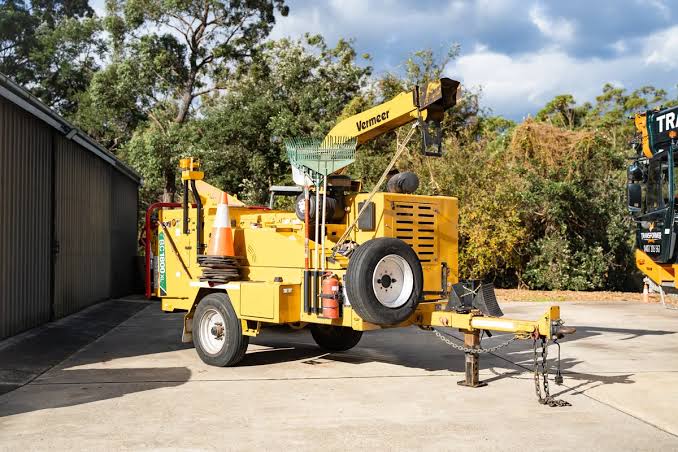
On a flat block in western Sydney, a chipper parks beside the tree. On a gully block in Killara, the crew may carry every piece 60 metres up a set of garden stairs.
Common North Shore access scenarios and their cost impact:
- Rear gully block, stair access only: add 40 to 80 percent to labour
- Steep driveway, no truck turning circle: smaller vehicles, more trips
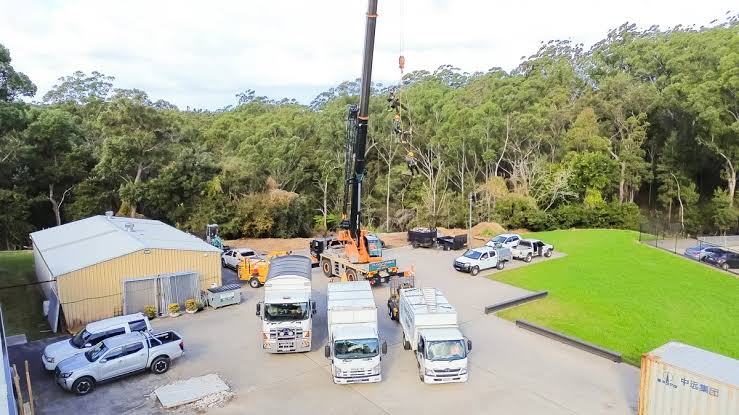
- Crane from the street over the house: $2,000 to $6,000 for the crane alone
- Elevated work platform on a level frontage: faster and often cheaper than climbing
- Neighbouring property access required: written permission and often a fee
Always get an on-site quote. Phone estimates for tree removal North Shore jobs are meaningless because the photograph never shows the slope.
What It Costs
Indicative 2026 pricing for the North Shore, generally 10 to 25 percent above the Sydney metropolitan average because of access and species density:
- Small tree under 5m: $500 – $1,000
- Medium tree 5-10m: $1,000 – $2,200
- Large tree 10-15m: $2,200 – $4,500
- Very large blue gum or turpentine 20m+: $4,500 – $12,000
- Crane-assisted removal: add $2,000 – $6,000
- Stump grinding: $150 – $900
- AQF5 arborist report for council: $500 – $1,500
Choosing a Local Contractor
Look for four things specific to this area: demonstrated experience with Ku-ring-gai, Willoughby or Hornsby applications; genuine climbing capability rather than reliance on machinery; $20 million public liability; and a written scope covering access protection for lawns, retaining walls and garden beds.
SafeWork NSW has recorded an increase in serious tree work incidents involving falls from height and workers struck by falling limbs. On steep North Shore blocks with limited ground positions, crew competence is not a nice-to-have.
Protecting Your Remaining Canopy
The smartest tree removal North Shore strategy is usually removing less than you think. UTS research on Sydney urban trees explains the carbon and economic value of mature canopy. It adds measurably to property value in leafy suburbs, provides significant summer cooling, and once it is gone the replacement takes 40 years.
Before committing to removal, ask about crown reduction, selective thinning to let light through, cabling and bracing for weak unions, root zone decompaction and mulching, and targeted deadwooding. A good arborist will present these before reaching for the removal quote.