

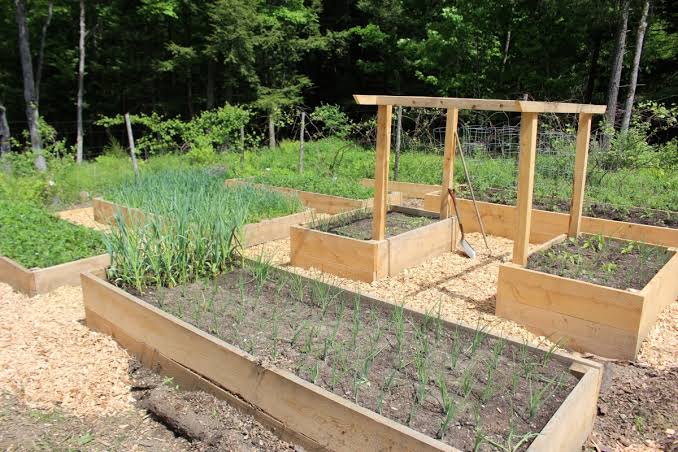
If you had to pick one thing that improves an Australian garden more than anything else per dollar spent, it is mulch. Not fertiliser, not new plants, not irrigation. Wood chip mulch reduces watering by up to 70 percent, suppresses weeds, moderates soil temperature, feeds soil biology as it breaks down, and stops the surface crusting that makes clay soils shed water.
This guide covers the different products sold under the mulch banner, how deep to lay it, the nitrogen argument that will not die, and how to get it cheaply.
What Wood Chip Mulch Actually Is
The NSW EPA mulch requirements define mulch as plant material shredded or screened to a preferred particle size for particular applications. In practice, wood chip mulch comes from three sources: arborist arisings run through a chipper, recycled garden organics processed at a licensed facility, and purpose-milled products such as pine bark.
Quality is largely about what went into the chipper and how consistently it was screened.
The Main Types Compared
Arborist wood chip
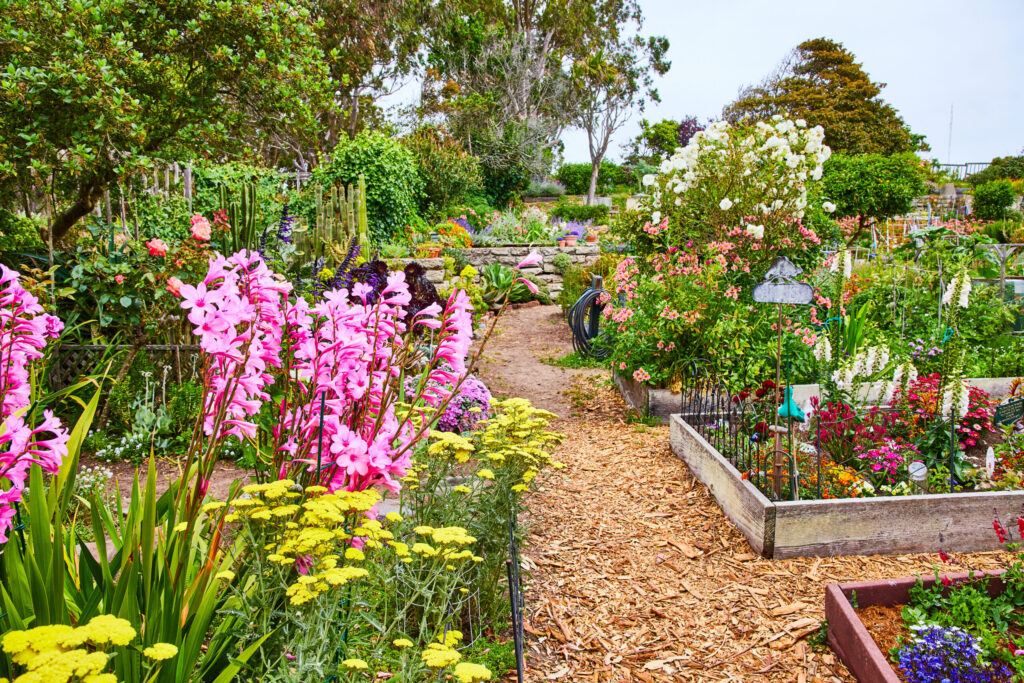
Fresh chip straight from a tree crew’s chipper: a mix of wood, bark and leaf. Chunky, variable, and often free. Breaks down within 6 to 12 months, feeding the soil generously. The best all-round garden mulch there is, and the least glamorous looking.
Hardwood chip
Screened, sometimes coloured, uniform particle size. Long lasting, tidy, more expensive. Good for high-visibility beds and pathways. Pine bark
Graded from fine to nuggets. Slightly acidic, slow to break down, attractive dark colour. Excellent for acid-loving plants like azaleas, camellias and gardenias. Tends to float in heavy rain, so avoid on slopes.
Forest mulch / eucalypt blend
Recycled native vegetation, mixed particle size, knits together well and stays put on slopes. Great value in bulk.
Sugar cane and lucerne
Not wood chip mulch at all, but worth mentioning. Fast breakdown, high nutrient value, ideal for vegetable beds. Needs topping up every few months.
Coloured and rubber mulch
Dyed products look sharp for a season then fade. Rubber mulch adds nothing to soil and is a poor choice anywhere plants are grown.
How Deep and How to Apply
Depth is where most people go wrong.
Target 75 to 100mm. Thinner than 50mm and weeds punch straight through. Thicker than 150mm and water struggles to penetrate to the root zone, especially with fine-particle products.
Keep it off the trunk. Piling wood chip mulch against a trunk or stem traps moisture against the bark, encourages collar rot and invites borers. Leave a clear 100mm collar around every trunk. The volcano of mulch you see around street trees is a textbook example of what not to do.
Water before and after. Wet the soil first, lay the mulch, then water again to settle it. Dry mulch laid on dry soil can repel the first rain.
Do not dig it in. Mulch is a surface layer. Incorporating fresh chip into soil is exactly what causes nitrogen problems.
Weed first. Mulch suppresses germinating weed seed. It will not kill established kikuyu or nutgrass.
The Nitrogen Drawdown Myth
You will hear that wood chip mulch steals nitrogen from your plants. This is half true and mostly misunderstood.
Decomposing woody material is carbon rich and nitrogen poor, so the microbes breaking it down draw nitrogen from their immediate surroundings. That interaction happens in the top few millimetres at the mulch-soil interface. It does not extend into the root zone of established plants.
The rule is simple: on the surface, no problem. Dug in, real problem. Research from the University of Queensland on street trees also illustrates the broader value of healthy urban canopy. If you are mulching around seedlings or a newly planted bed, a light application of blood and bone or pelletised manure under the mulch removes any doubt entirely.
Species also matters less than people claim. Concerns about conifer chip acidifying soil are largely overstated; the pH effect of surface-applied wood chip mulch is minimal and transient.
Where to Get It (and What It Costs)
Free from tree crews
The best value going. A crew working in your street would rather drop 5 cubic metres in your driveway than pay tip fees. Ask any tree company for a chip drop. Caveat: you take what you get, including the odd weed seed and lantana stem, and it arrives as a large pile that will not wait.
Bulk landscape supply
- Recycled forest mulch: $45 to $75 per cubic metre
- Hardwood chip: $65 to $100 per cubic metre
- Pine bark, graded: $75 to $120 per cubic metre
- Coloured mulch: $90 to $140 per cubic metre
- Delivery: $60 to $120 depending on distance and truck size
Bagged
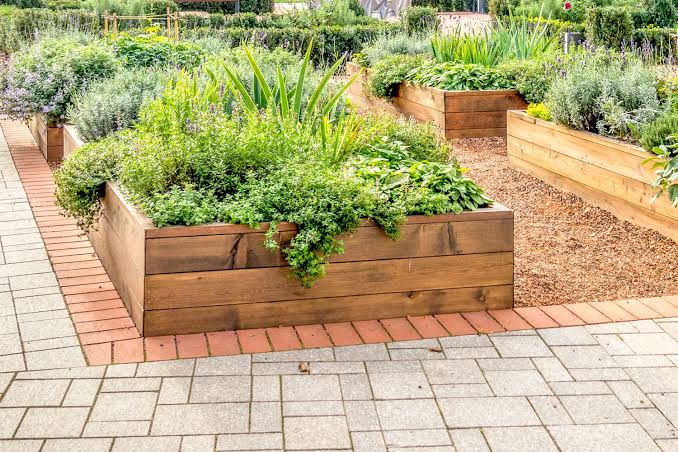
$8 to $15 for 25 to 50 litres. Convenient, and three to four times the bulk price per cubic metre. Only sensible for small beds.
How much do you need?
Area in square metres multiplied by depth in metres equals cubic metres. A 50 square metre bed at 75mm depth needs 3.75 cubic metres. Order slightly over; mulch settles.
Quality and Contamination
Recycled mulch in NSW is regulated through the EPA’s resource recovery order and exemption framework, which sets limits on physical and chemical contaminants before mulch can lawfully be applied to land. Reputable suppliers can tell you which order their product complies with.
What to check on delivery: no plastic, glass or metal fragments; no strong sour or ammonia smell (which indicates anaerobic storage and can mean phytotoxic compounds); no visible weed seed heads; and consistent particle size for the grade you paid for.
If a load smells like vinegar or silage, spread it out and let it air for a week before using it around plants.
Matching Mulch to the Job
- Native gardens: forest mulch or arborist chip. Coarse, chunky, matches the ecology.
- Ornamental front beds: graded hardwood or pine bark for appearance.
- Vegetable beds: sugar cane, lucerne or fine compost. Avoid coarse wood chip mulch here.
- Slopes: stringy forest mulch that knits together. Avoid bark nuggets.
- Pathways: coarse chip laid 100mm deep, topped up annually.
- Around new trees: arborist chip, 75mm deep, out to the dripline, clear of the trunk.