
ours journey 1024x427.jpg

Author: Hugo Derrington

tree service near me

Tree Removal Cost: What Affects the Price and How to Get an Accurate Quote?

What Factors Influence Tree Removal Costs?

Tree removal costs vary dramatically based on numerous interconnected variables. Understanding these tree removal cost factors helps property owners anticipate expenses and budget appropriately for this essential service.

Tree Size and Species Matter Significantly

How does tree size affect tree removal cost? Larger trees demand substantially more resources, labour hours, and specialised equipment. A small ornamental tree under 7 metres might cost a few hundred pounds to remove, whilst a mature oak exceeding 25 metres could run into thousands. The height and trunk diameter directly correlate with the complexity of safely dismantling and lowering sections to the ground.

Why do different species cost different amounts? Tree species exhibit varying characteristics that impact removal difficulty. Dense hardwoods like oak or beech require more powerful cutting equipment and take longer to process than softer woods. Some species feature extensive branch networks that must be carefully removed piece by piece, whilst others have thorns or produce allergenic compounds requiring additional protective measures for workers.

Location and Accessibility Create Pricing Variations

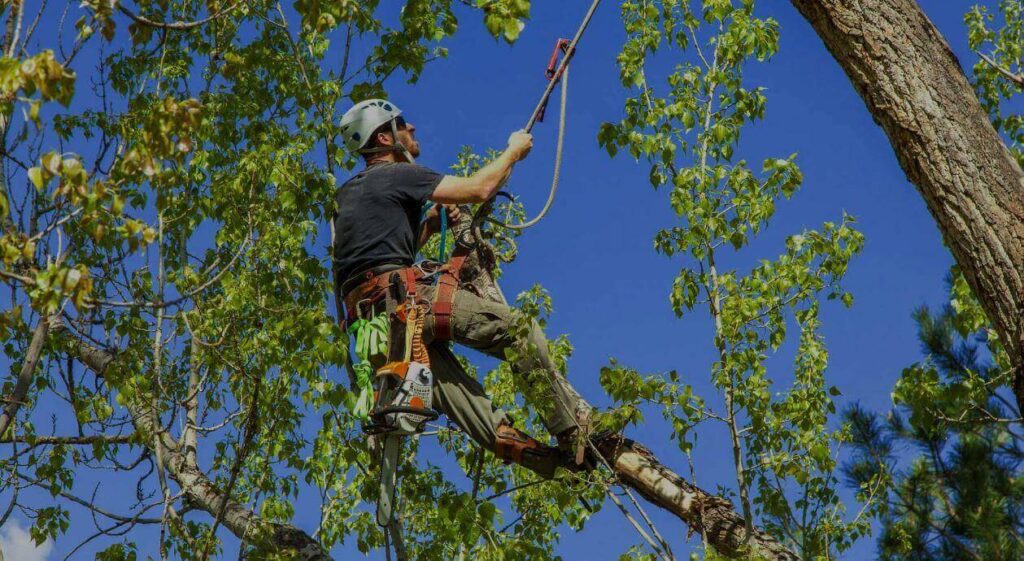
What makes location such a critical cost factor? Trees situated near structures, overhead power lines, swimming pools, or boundary fences present elevated risk levels. Arborists must employ precision techniques, potentially using ropes and rigging systems to control each section’s descent. This meticulous approach prevents property damage but extends project duration considerably.

How does terrain affect pricing? Steep slopes, narrow side passages, or rear gardens without vehicle access complicate equipment transport. Heavy machinery like wood chippers or stump grinders may need manual positioning, requiring additional crew members. Properties with limited access often necessitate smaller, less efficient equipment, increasing labour time and associated costs.

Environmental Obstacles Require Extra Care

Structures surrounding the tree—garden sheds, paving, decorative tiles, or established flower beds—demand protective measures during removal. Arborists must work methodically to avoid collateral damage, sometimes hand-carrying debris rather than dropping it freely. Delicate surfaces beneath the tree may require protective boarding, adding setup time and materials to the final invoice.

Weather Conditions Impact Project Timeline

Adverse conditions like heavy rainfall, strong winds, or extreme heat directly affect work schedules. High winds make climbing dangerous and prevent safe lowering techniques from being employed. Rain-soaked ground becomes unstable for heavy machinery operation while excessive heat poses health risks to workers. These weather-related delays can extend the overall duration of the project beyond initial estimates.

Understanding these factors influencing tree removal costs empowers property owners to make informed decisions when hiring professionals for this task. By considering elements such as size, species, location accessibility environmental obstacles weather conditions in their budgeting process they can ensure adequate funds are allocated towards securing quality arborist services without any surprises along the way!

How Can You Get an Accurate Quote for Tree Removal?

What makes a tree removal quote truly accurate? An accurate tree removal quote stems from a comprehensive assessment by a qualified arborist who evaluates every aspect of your specific situation. Professional evaluation remains the cornerstone of getting reliable estimates that reflect the actual work required.

Why should you prioritise licensed and insured companies?

Researching reputable companies protects both your property and your wallet. Licensed providers demonstrate their commitment to industry standards, whilst insurance coverage shields you from liability if accidents occur during removal. Check online reviews, verify credentials with local trade associations, and confirm that companies hold current public liability insurance before requesting quotes.

What information helps arborists provide accurate estimates? Detailed descriptions of your tree and site conditions enable professionals to prepare appropriate equipment and crews. Share specifics about tree height, trunk diameter, species if known, and visible health issues like dead branches or decay. Describe the surrounding environment including proximity to structures, overhead power lines, fencing, gardens, and access points for equipment. Visit https://agriculture.vic.gov.au/biosecurity/plant-diseases/shrub-and-tree-diseases to get more about shrub and tree diseases.

What can an on-site inspection reveal?

Does a visual assessment really matter for pricing accuracy? On-site inspections uncover factors that photos and descriptions cannot capture. An arborist examines root systems, assesses structural integrity, identifies potential hazards, and evaluates ground conditions that affect machinery placement. Hidden complications like internal decay, pest infestations, or unstable lean patterns significantly impact removal methods and costs.

The inspection allows professionals to:

  • Measure exact tree dimensions and calculate volume
  • Identify the safest removal technique for your specific situation
  • Spot obstacles that require specialised equipment
  • Assess soil stability and drainage affecting crane placement
  • Determine the most efficient access route for equipment
Tree removal cost

How many quotes should you obtain?

What’s the ideal number of estimates to compare? Three to five quotes provide a realistic market range without overwhelming your decision-making process. This sample size reveals whether one provider’s pricing sits significantly outside the norm, potentially indicating either exceptional value or concerning shortcuts.

Analyse each quote’s scope carefully rather than selecting the lowest price automatically. Some providers include stump grinding, debris removal, and site cleanup in their base price, whilst others charge separately for these services. A seemingly expensive quote might offer better value when all services are itemised and compared.

Conclusion

Understanding tree removal pricing requires careful consideration of multiple factors, including tree characteristics and regulatory requirements. The best quote for tree removal comes from thorough research, professional on-site inspections, and comparing detailed proposals from licensed providers.

Ready to move forward with your tree removal project? Contact certified arborists in your area for personalised assessments today. These qualified professionals will evaluate your specific situation, identify potential challenges, and provide transparent pricing tailored to your needs. Don’t leave tree removal to chance—invest in expert guidance to ensure safe, efficient removal whilst protecting your property and budget.

More to Read : Tree Removal Service: When Is Tree Removal the Only Safe Option?

Quick FAQs: Tree Removal Costs

1. How does tree size affect removal cost?
Larger trees need more labour, equipment, and time. Small trees under 7 m may cost a few hundred pounds, while mature trees over 25 m can run into thousands.
2. Do tree species impact the price?
Yes. Dense hardwoods like oak require more effort and stronger tools, whereas softwoods are easier to remove. Some species have thorns or allergens that add safety precautions.
3. Why does location matter?
Trees near buildings, fences, pools, or power lines need careful, precise removal. Limited access or steep terrain can increase labour and equipment costs.
4. How do environmental obstacles affect pricing?
Sheds, patios, flower beds, and delicate surfaces require extra protection and careful handling, raising the cost.
5. Can weather impact removal costs?
Yes. Rain, wind, or extreme heat can delay work, make machinery unsafe, and extend project duration.
6. How do I get an accurate quote?
A professional on-site inspection is essential. Arborists assess tree size, health, root stability, site obstacles, and access to determine the safest and most efficient removal method.
7. How many quotes should I compare?
Get 3–5 quotes from licensed, insured arborists. Compare what’s included—like stump grinding, debris removal, and cleanup—rather than just the lowest price.
8. Why hire a certified arborist?
Certified arborists ensure safe removal, protect your property, follow regulations, and handle complex trees efficiently, avoiding costly mistakes or accidents.


tree removal

Tree Removal Service: When Is Tree Removal the Only Safe Option?

A tree removal service involves the professional assessment, planning, and execution of removing trees that pose risks or cannot be safely maintained. These specialists use advanced equipment and techniques to eliminate hazardous trees whilst minimising damage to surrounding property and landscapes.

Understanding tree removal service is critical for property owners and managers. Delaying necessary removal can lead to catastrophic failures, resulting in injuries, property damage, or even fatalities. Trees don’t always show obvious warning signs before they fail, making professional evaluation essential.

Hazardous trees present numerous safety concerns that demand immediate attention:

  • Falling limbs that threaten people, vehicles, and structures
  • Complete tree failure during storms or without warning
  • Root system compromise causing instability
  • Disease spread to nearby healthy trees
  • Infrastructure damage from invasive root systems or falling debris

Recognising these dangers early and acting decisively protects both people and property from preventable harm.

What Are the Main Safety Risks That Make Tree Removal the Only Option?

Tree safety risks from unstable or damaged trees create immediate dangers that demand removal. Hazardous trees can drop heavy limbs without warning, crush vehicles, damage roofs, or injure anyone beneath them.

Structural instability transforms trees into unpredictable threats. A compromised trunk may snap during moderate winds, whilst weakened root systems cause entire trees to topple. These failures happen suddenly, giving no time for evacuation or protection.

Hazardous trees positioned near homes, schools, or busy pathways multiply the danger exponentially. A falling branch over a children’s play area or a leaning tree above a driveway creates unacceptable risk levels that no property owner should tolerate.

When tree removal necessity becomes apparent, alternative solutions like pruning or cabling prove inadequate. Trees with extensive internal decay or multiple structural failures cannot be salvaged safely. Removal eliminates the threat entirely, protecting lives and preventing costly property damage that insurance may not cover.

When Is Structural Unsoundness a Cause for Tree Removal?

Structurally unsound trees become candidates for removal when internal decay compromises their ability to support their own weight. Tree rot often develops deep within the trunk, invisible from the outside until significant damage has occurred. Arborists identify these problems through visual inspection of cavities, fungal fruiting bodies at the base, and hollow sounds when tapping the trunk.

Pest-infested trees face similar stability issues as insects like termites, carpenter ants, and wood-boring beetles tunnel through vital support structures. These invasive species weaken the wood fibres that keep trees upright, creating hidden fracture points that can fail without warning.

The combination of decay and pest damage transforms trees into unpredictable hazards. A tree may appear healthy from ground level whilst harbouring extensive internal damage that reduces its structural integrity by 50% or more. When wind loads or heavy rain add stress to already compromised wood, catastrophic failure becomes likely rather than possible. Structurally unsound trees standing near homes, walkways, or vehicles present unacceptable risks that pruning cannot address.

How Do Disease and Decline Justify Tree Removal?

Diseased trees display warning signs that signal when intervention becomes critical. Discolouration and wilting leaves indicate compromised vascular systems, whilst fungal growth on bark or roots reveals active decay. Trunk damage, soft spots, and hollow-sounding wood when tapped suggest internal deterioration that weakens structural integrity.

When it comes to tree removal due to disease, it becomes necessary when pathogens spread beyond treatment capacity. Advanced infections like Dutch elm disease or oak wilt progress too rapidly for chemical interventions to halt. Certain fungal infections penetrate deep into heartwood, making recovery impossible even with aggressive treatment protocols. Moreover, diseased trees often pose serious risks to their surroundings.

Tree decline signs that justify removal include:

  • Persistent dieback affecting more than 50% of the canopy
  • Extensive pest colonisation causing irreversible damage
  • Mushroom or conk formations indicating root rot
  • Severe bark splitting or peeling exposing vulnerable tissue

Declining trees become safety hazards as their ability to support weight diminishes. Brittle branches snap without warning, whilst weakened root systems fail to anchor trees during moderate winds. Leaving severely diseased specimens standing risks sudden collapse onto structures, vehicles, or pedestrians.

When Does Storm Damage Make Tree Removal Necessary?

Storm damaged trees may need to be removed when severe weather has caused damage that cannot be fixed. High winds, lightning strikes, and heavy ice buildup can split trunks, create deep cracks, or strip away significant bark coverage—damage that fundamentally weakens the tree’s ability to support itself.

Tree limb breakage often indicates deeper issues within the tree’s structure. Large branches torn away during storms leave open wounds susceptible to infection while exposing internal decay. Split trunks create unpredictable failure points where the tree might collapse without warning, especially during future weather events.

Tree safety after storms requires immediate professional evaluation because damaged trees can pose serious dangers:

  • Hanging branches (widow-makers) can fall unexpectedly, posing a threat to anyone underneath
  • Partially uprooted trees with exposed root systems lack stability in anchoring
  • Leaning trunks suggest compromised root structures or internal fractures
  • Crown damage exceeding 50% severely limits the tree’s ability to recover

Trees displaying multiple storm-related injuries rarely heal enough to remain safe over time, making removal the responsible choice to protect people and property.

Can Location Hazards Force the Need for Tree Removal?

Location hazards refer to situations where trees pose a risk to human infrastructure, such as buildings and utility lines. When vegetation grows too close to these structures, it can create conflicts that may require tree removal.

Understanding Tree Location Hazards

Trees can be planted intentionally or grow naturally in proximity to buildings. In such cases, their growth can have detrimental effects:

  1. Root Damage: Aggressive root systems of trees can penetrate and damage foundations, leading to structural issues.
  2. Branch Compromise: Over time, branches of trees may extend and come into contact with roofs, gutters, and windows, causing potential harm during normal growth or windy conditions.

Assessing the Need for Tree Removal

While trees located near structures require careful monitoring, their mere presence doesn’t automatically warrant removal. The key consideration is whether safe clearance can be maintained through regular pruning and management practices.

Factors Influencing Removal Decisions

When evaluating whether a tree needs to be removed due to location hazards, three main factors come into play:

  • Distance: Is there insufficient space for the tree’s safe growth?
  • Species Characteristics: Does the tree belong to fast-growing or large-maturing varieties that may pose risks?
  • Management Feasibility: Can realistic pruning cycles effectively maintain safety margins?

If these factors align unfavourably and indicate potential dangers, removal becomes the only responsible solution to prevent property damage and ensure safety.

tree removal service

The Escalating Threat of Underground Infrastructure

In addition to above-ground concerns, it’s crucial to consider the impact of trees on underground infrastructure such as pipelines, water mains, or sewer systems. When a tree’s root zone encroaches upon these areas, the potential for damage escalates beyond surface-level issues and poses risks of costly infrastructure failures.

Addressing Electrical Line Hazards

Another significant hazard arises from trees growing into electrical lines. This situation creates fire risks and service interruptions that can have widespread consequences. While utility companies conduct routine trimming activities to mitigate these risks, certain tree species may exhibit aggressive growth patterns or be positioned in ways that make it impossible to maintain adequate clearance. For more information on safety measures related to electricity emergencies caused by such hazards, you can refer to this resource.

By understanding these factors and their implications, property owners can make informed decisions regarding tree management strategies—whether it involves proactive measures like pruning or more drastic actions like removal—to safeguard both their properties and surrounding infrastructure.

What Role Does Environmental Stress Play in Tree Removal Decisions?

Environmental stress on trees causes gradual but irreversible damage that accumulates over time. Poor soil conditions, prolonged drought, compacted earth around roots, and exposure to pollutants or salt can weaken a tree’s ability to absorb nutrients and maintain structural integrity. These chronic stressors compromise the tree’s defence mechanisms, making it vulnerable to disease and decay. Visit https://www.environment.nsw.gov.au/topics/land-and-soil/soil-degradation to get about soil degradation.

Identifying stress signs that warrant removal includes persistent leaf discolouration despite treatment, extensive dieback in the canopy, stunted growth year after year, and bark splitting or peeling that doesn’t heal. When roots show significant damage from soil contamination or construction activity, the tree loses its anchor and nutrient supply. Trees planted in unsuitable locations—such as areas with poor drainage or extreme temperature fluctuations—often exhibit these symptoms without hope of recovery.

When Is Tree Removal the Only Safe Option? becomes the critical question when environmental factors create conditions that no amount of fertilisation, watering, or soil amendment can reverse. Removal serves as a last resort when the tree’s declining health poses safety risks that management practices cannot address.

Are There Alternatives to Tree Removal and When Are They Insufficient?

Tree pruning vs removal often presents a critical decision point for property owners facing tree health concerns. Pruning can address dead or diseased branches, improve structural integrity, and extend a tree’s lifespan when problems remain localised. Tree treatment options include targeted fungicide applications, pest management programmes, and soil amendments to address nutrient deficiencies.

These alternatives fail when damage extends beyond salvageable portions. A tree with widespread internal rot cannot be saved through pruning alone—cutting away affected branches leaves a structurally compromised trunk vulnerable to collapse. Disease that has infected the root system or vascular tissue throughout the tree renders topical treatments ineffective.

Removal becomes necessary when:

  • The trunk shows extensive decay or hollow sections
  • Disease has spread to more than 50% of the canopy
  • Root damage threatens the tree’s anchoring ability
  • Structural defects create imminent failure risk

Professional arborists assess whether intervention can genuinely restore safety or merely delays inevitable removal whilst hazards persist.

How Do Professional Tree Removal Services Ensure Safety and Efficiency?

Why should you consult qualified arborists for tree removal?

Professional arborists possess the expertise to accurately assess tree hazards and determine the safest removal approach. They identify structural weaknesses, evaluate surrounding risks, and develop customised removal strategies that protect people and property.

What techniques and equipment do professionals use?

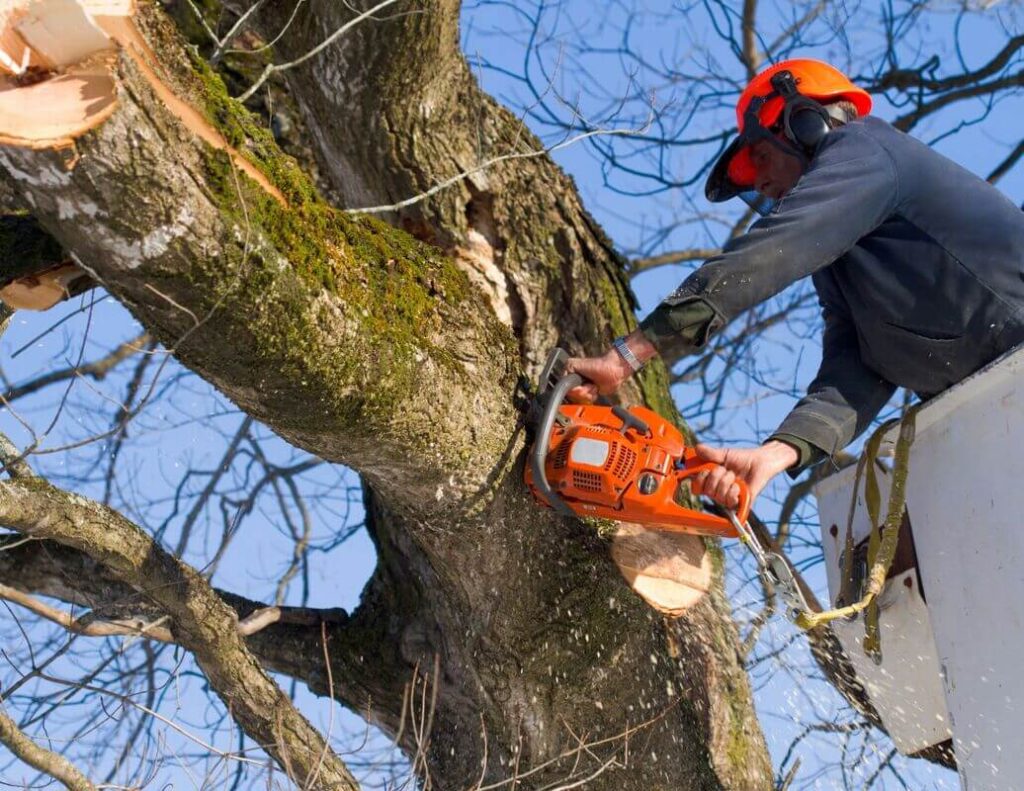
Safe tree removal techniques include sectional dismantling, where trees are removed piece by piece from top to bottom, and controlled felling for trees in open spaces. Specialists employ:

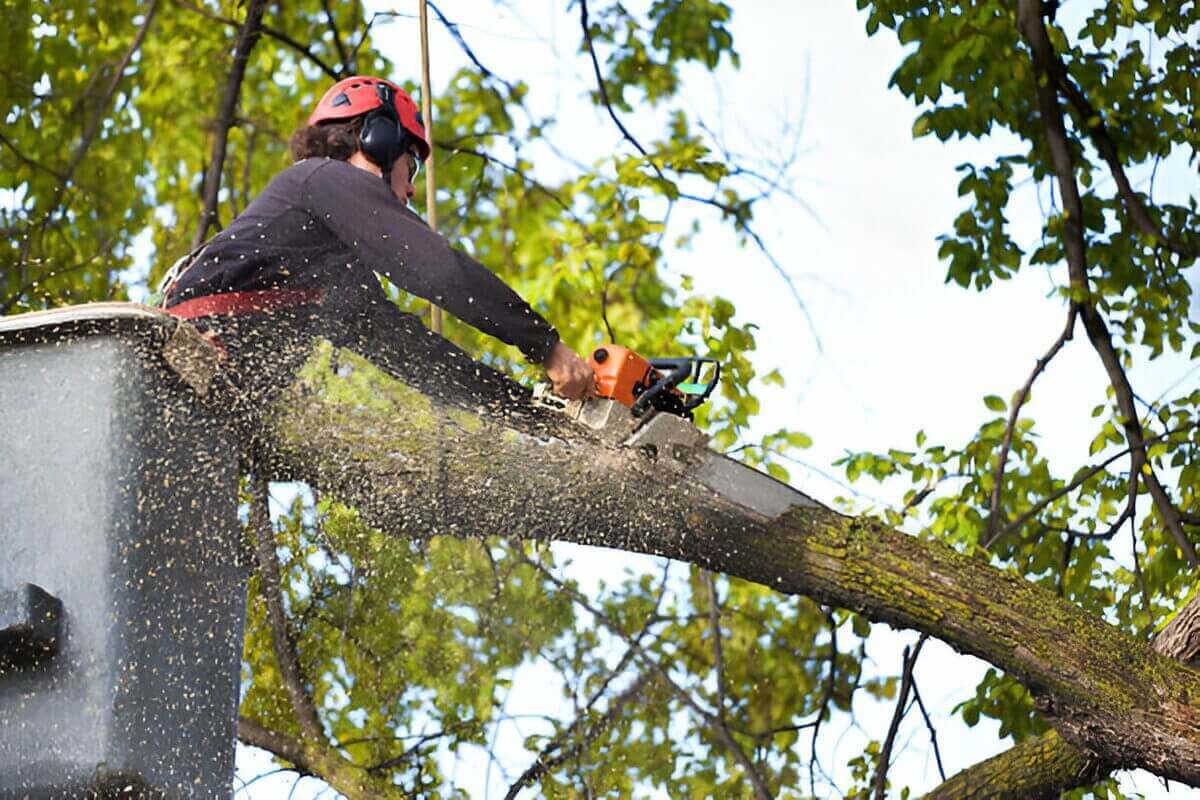
  • Cranes and aerial lifts for precise limb removal
  • Rigging systems to lower heavy branches safely
  • Chainsaws and specialised cutting tools
  • Safety harnesses and protective gear

How do services minimise disruption?

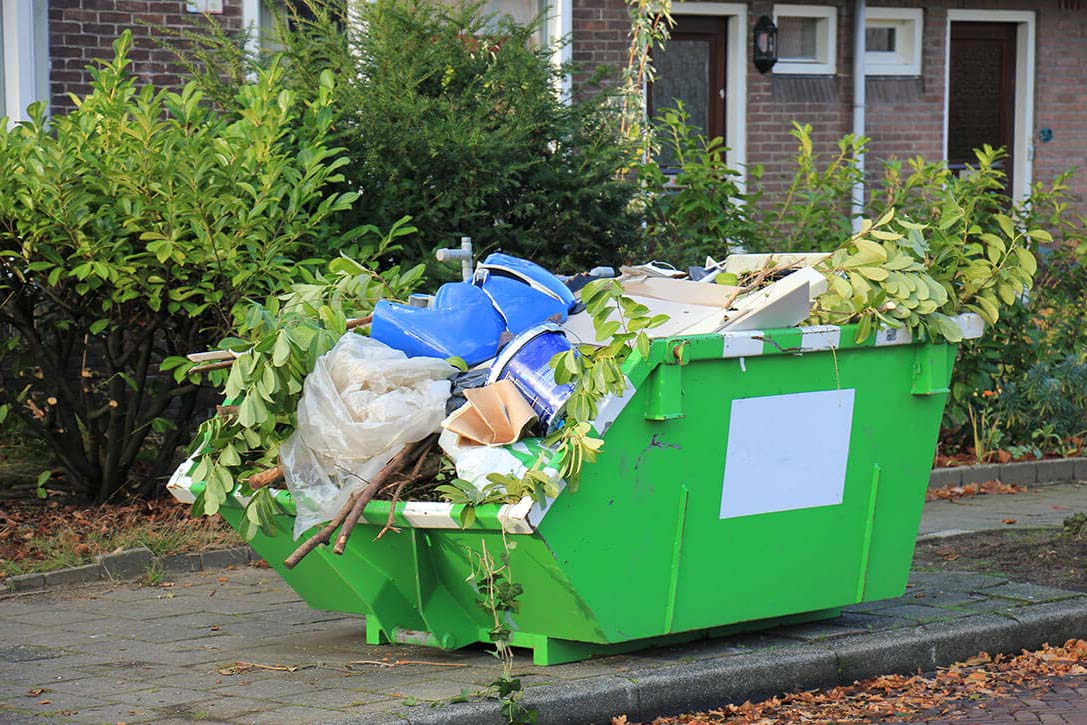
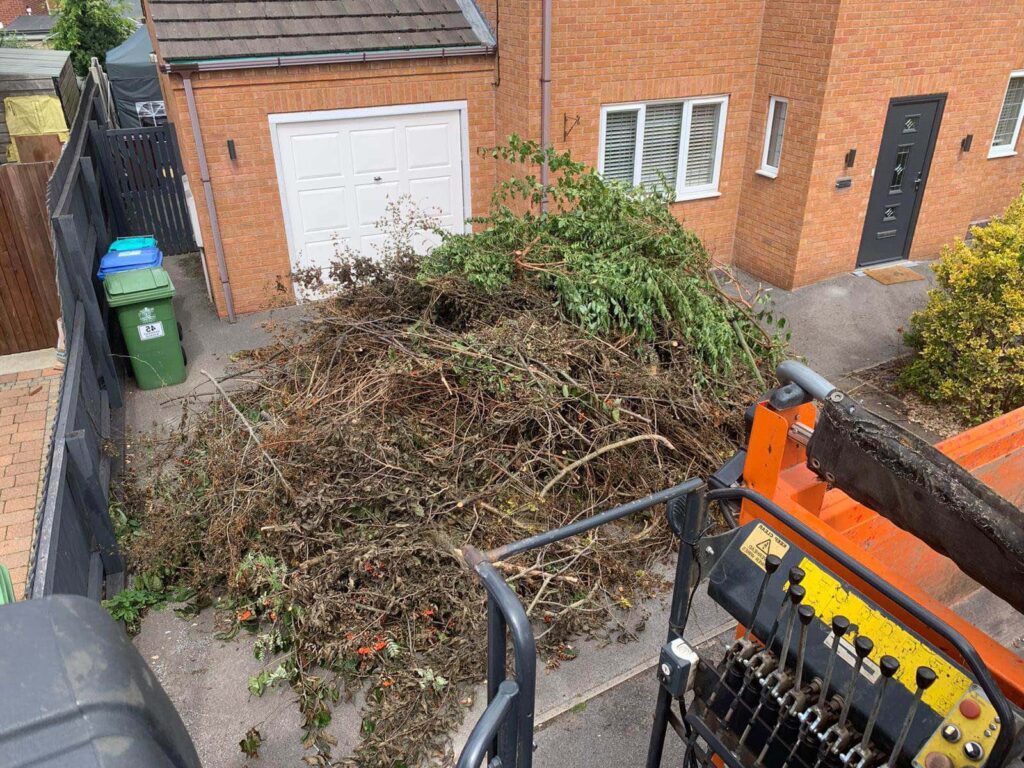
Professional teams work systematically to contain debris within designated areas, protecting landscaping and structures. They complete thorough site cleanup, including stump grinding, wood chipping, and debris removal, leaving properties ready for immediate use without lingering hazards or mess.

tree removal service

Conclusion

Hazardous trees require immediate attention—delaying evaluation puts lives and property at unnecessary risk. Professional arborists have the skills to spot subtle warning signs that untrained eyes might overlook, deciding whether removal is truly the only safe option.

Don’t wait for a dangerous tree to cause damage or injury. If you’ve noticed any warning signs discussed in this article—structural weakness, disease symptoms, storm damage, or location hazards—call tree removal service professionals today. Qualified experts will assess your situation, explain your options clearly, and carry out safe removal when necessary.

Your safety depends on quick action. Contact certified arborists now for a thorough tree evaluation and protect what matters most.

Related : Tree Removal Cost: What Affects the Price and How to Get an Accurate Quote?

Quick FAQs: Tree Removal Services

1. What is a tree removal service?
Professional assessment, planning, and execution to safely remove hazardous or unsalvageable trees while minimizing property damage.
2. When is tree removal necessary?
Structurally unsound trees with internal decay or weak trunks/roots
Diseased or pest-infested trees beyond treatment
Storm-damaged trees with compromised limbs or trunks
Trees posing location hazards near buildings, utilities, or underground infrastructure
Trees under severe environmental stress (poor soil, drought, pollution)
3. Can pruning or treatment replace removal?
Only when problems are localised. Widespread decay, root failure, or structural defects require removal for safety.
4. What are the main safety risks?
Falling limbs, total tree collapse, infrastructure damage, and risk to people or vehicles.
5. How do professionals ensure safe removal?
On-site hazard assessment and structural evaluation
Sectional dismantling or controlled felling using cranes, rigging, chainsaws, and safety gear
Protection of surrounding property and landscaping
Complete debris removal and site cleanup, including stump grinding
6. Why hire certified arborists?
They identify hidden hazards, plan safe removal strategies, comply with safety regulations, and prevent property damage or injury.
7. What signs indicate immediate action?
Visible trunk cracks, hollow sections, or fungal growth
Dead or hanging branches (widow-makers)
Leaning trees or exposed roots
Extensive canopy dieback or bark damage
8. How do location hazards affect removal decisions?
Trees near buildings, power lines, or underground utilities may need removal if safe clearance or pruning is insufficient to prevent damage.

Tree Removal Services Sydney

Tree Pruning Services: How Often Should Trees Be Pruned?

Tree pruning is an essential aspect of tree care that promotes healthy growth, enhances aesthetics, and ensures safety. Understanding how often trees should be pruned is crucial for homeowners, landscapers, and tree care professionals alike. This article delves into the factors influencing pruning frequency, the benefits of regular pruning, and the best practices to follow for optimal tree health.

The Importance of Tree Pruning

Pruning is not merely about cutting branches; it is a vital practice that supports the overall health and longevity of trees. Regular tree pruning services help remove dead or diseased branches, allowing for better air circulation and sunlight penetration. For a deeper understanding of how professional tree pruning services improve tree structure, safety, and long-term growth outcomes, learn more. This, in turn, fosters a healthier tree structure and encourages robust growth.

Moreover, pruning can significantly enhance the aesthetic appeal of trees and landscapes. Well-maintained trees can increase property value and contribute positively to the surrounding environment. In urban areas, where space is limited, proper pruning can prevent trees from encroaching on buildings and power lines, thereby reducing potential hazards. Click here to get also about green waste removal Sydney.

Tree Pruning Services

Benefits of Regular Pruning

  • Health Improvement: Removing dead or diseased branches prevents the spread of pests and diseases.
  • Enhanced Growth: Pruning encourages new growth by directing the tree’s energy towards healthy branches.
  • Safety: Regular pruning reduces the risk of falling branches, which can pose a danger to people and property.
  • Aesthetic Appeal: A well-pruned tree enhances the visual landscape and increases property value.

Factors Influencing Pruning Frequency

Determining how often trees should be pruned depends on several factors, including tree species, age, health, and environmental conditions. Each of these elements plays a critical role in establishing a suitable pruning schedule.

Tree Species

Different species of trees have varying growth rates and pruning needs. For instance, fast-growing species such as willows and poplars may require more frequent pruning compared to slower-growing varieties like oaks and pines. Understanding the specific needs of each tree species is essential for effective pruning.

Additionally, some trees have unique growth patterns that may necessitate specialised pruning techniques. For example, fruit trees often require specific pruning to optimise fruit production, while ornamental trees might need shaping to maintain their aesthetic form.

Tree Age and Health

Young trees generally require more frequent pruning to establish a strong structure and encourage healthy growth. During the formative years, pruning can help shape the tree and remove any competing leaders or weak branches. As trees mature, the frequency of pruning can be reduced, focusing instead on maintenance and health checks.

Healthy trees may require less frequent pruning compared to those that are diseased or damaged. Regular inspections can help identify any issues early, allowing for timely intervention and minimising the need for extensive pruning later on.

Environmental Conditions

Environmental factors such as climate, soil quality, and local pests can also influence pruning frequency. Trees in harsher climates or those exposed to high winds may require more frequent pruning to remove damaged branches and maintain stability. Similarly, trees affected by pest infestations may need more regular attention to prevent further damage.

In urban settings, where trees are often subjected to pollution and limited space, regular pruning can help mitigate stress and promote healthier growth. Community engagement, as seen in Oakland, California, where over 60% of pruning requests originated from residents, highlights the importance of public awareness in maintaining urban trees.

Tree Pruning Services

Recommended Pruning Schedule

While the exact frequency of pruning can vary, there are general guidelines that can help determine an appropriate schedule. For most trees, a pruning interval of every 3 to 5 years is recommended, with adjustments made based on the factors discussed earlier.

Young Trees

For young trees, annual pruning is often beneficial. This helps to establish a strong framework and encourages healthy growth. During these formative years, focus on removing any crossing branches, deadwood, and competing leaders to promote a single, dominant leader.

Mature Trees

Mature trees typically require less frequent pruning, with a schedule of every 3 to 5 years being ideal. During these sessions, the focus should be on maintaining the tree’s health and aesthetics. Inspect for any dead or diseased branches and remove them promptly to prevent further issues.

Fruit Trees

Fruit trees have specific pruning needs that often require annual attention. Pruning should be done in late winter or early spring before new growth begins. This timing allows for optimal fruit production and encourages healthy growth. Additionally, removing any suckers and water sprouts can help direct energy towards fruit-bearing branches.

Best Practices for Tree Pruning

To ensure effective and safe pruning, it is essential to follow best practices. Proper techniques not only promote tree health but also minimise the risk of damage to the tree and surrounding areas.

Timing is Key

Understanding the right time to prune is crucial. Most trees benefit from pruning during their dormant season, typically in late winter or early spring. This timing allows for healing before the growing season begins. However, some trees, such as flowering species, may require specific timing to avoid disrupting their blooming cycle.

Use the Right Tools

Using appropriate tools is vital for effective pruning. Sharp, clean tools help make clean cuts, reducing the risk of disease transmission. Common tools include hand pruners for small branches, loppers for larger branches, and saws for thicker limbs. Always disinfect tools before and after use to prevent the spread of pathogens.

Follow Proper Techniques

When pruning, follow the three-cut method for larger branches to prevent bark tearing. The first cut should be made on the underside of the branch, about a third of the way through. The second cut should be made from the top, further out from the first cut, allowing the branch to fall without tearing the bark. The final cut should be made just outside the branch collar, which helps the tree heal effectively.

Tree Pruning Services

Innovations in Tree Pruning

Recent advancements in technology are revolutionising the way tree pruning is approached. Innovations such as drone technology and IoT sensors are being utilised to monitor tree health in real-time, allowing for more informed pruning decisions.

Drone Technology

In May 2023, Arborwell introduced an innovative tree health monitoring system that leverages drone technology and IoT sensors. This system enables tree care professionals to assess tree health from above, identifying issues that may not be visible from the ground. Such technology allows for proactive maintenance and targeted pruning, ultimately enhancing tree health and longevity.

Standardisation in Pruning Practices

A recent study published in May 2024 emphasised the need for standardised terminology and decision-making processes in pruning. By establishing clear guidelines, tree care professionals can ensure consistency and effectiveness in their practices, leading to better outcomes for tree health and community engagement.

Conclusion

Understanding how often trees should be pruned is essential for maintaining their health and beauty. By considering factors such as species, age, and environmental conditions, homeowners and tree care professionals can develop effective pruning schedules. Regular pruning not only enhances the aesthetic appeal of trees but also promotes their overall health and safety.

With advancements in technology and a growing emphasis on sustainable practices, the future of tree pruning looks promising. By adopting best practices and staying informed about the latest developments, we can ensure that our trees thrive for generations to come.

FAQs on Tree Pruning Services

1. Why is tree pruning important?

Tree pruning improves tree health by removing dead or diseased branches, encourages new growth, enhances safety, and increases aesthetic appeal. It also prevents trees from interfering with power lines and buildings.

2. How often should trees be pruned?

Most mature trees benefit from pruning every 3 to 5 years. Young trees may need annual pruning to establish a strong structure, while fruit trees often require yearly pruning for optimal fruit production.

3. Does the tree species affect pruning frequency?

Yes. Fast-growing species like willows and poplars usually need more frequent pruning than slow-growing trees such as oaks and pines. Fruit and ornamental trees may also require specialised pruning schedules.

4. When is the best time of year to prune trees?

Late winter or early spring, during the dormant season, is the best time for most trees. This allows for quicker healing before the growing season. Flowering trees may need pruning after their blooming cycle.

5. What tools are best for tree pruning?

Hand pruners work well for small branches, loppers are used for medium-sized ones, and pruning saws are ideal for thick limbs. Always ensure tools are sharp, clean, and disinfected to prevent spreading disease.

6. Are there risks in not pruning trees regularly?

Yes. Unpruned trees can develop weak structures, suffer from disease, and pose safety hazards from falling branches. They may also lose shape and become less attractive.

7. Are there new technologies in tree pruning?

Yes. Recent innovations like drones and IoT sensors help arborists monitor tree health in real time, allowing for more precise and proactive pruning practices.

Green Waste Removal

Green Waste Removal Sydney: What Can and Can’t Be Collected?

In the bustling city of Sydney, green waste removal is an essential service that supports both residents and the environment. As urbanisation continues to expand, the importance of effective waste management becomes increasingly apparent. Understanding what can and cannot be collected as green waste is crucial for ensuring that we contribute positively to our local ecosystem. This guide aims to clarify the types of green waste accepted in Sydney, the processes involved, and the significance of proper disposal.

Understanding Green Waste

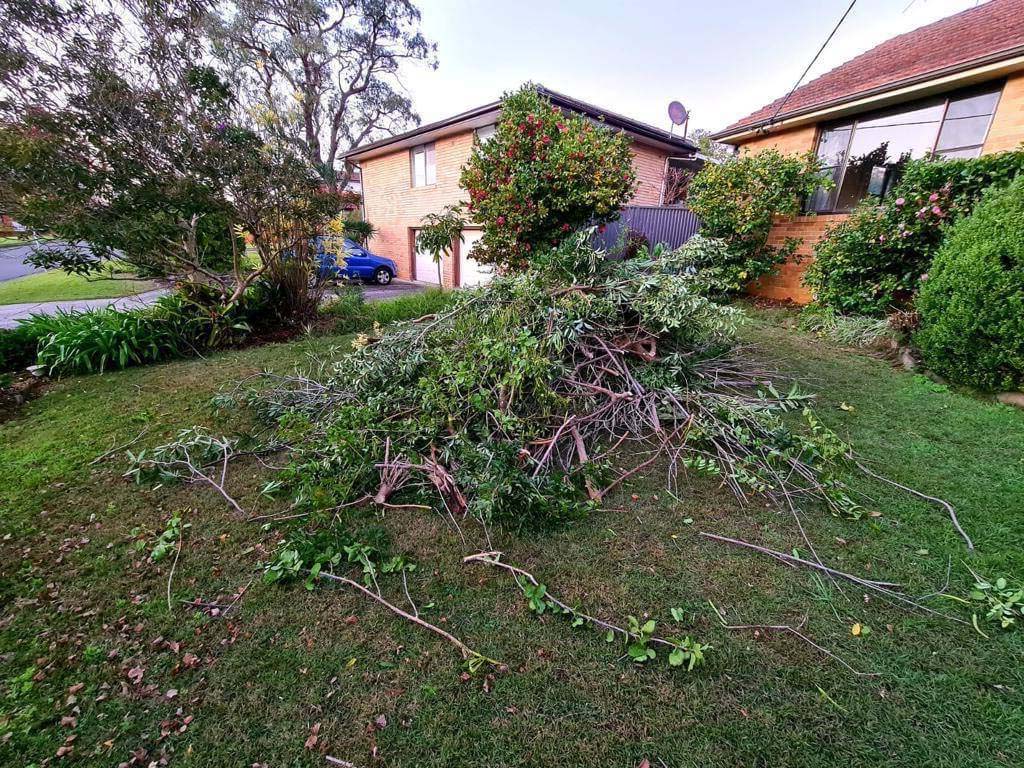
Green waste refers to organic materials that are biodegradable and can be composted or processed into mulch. This includes garden refuse such as grass clippings, leaves, branches, and other plant materials. Professional green waste removal Sydney services play a vital role in managing these materials sustainably, helping divert organic matter from landfills where it would otherwise decompose and release harmful greenhouse gases. For more details on how proper collection and disposal of green waste is handled by professionals, click here.

In Sydney, the recycling of green waste is part of broader initiatives aimed at promoting a circular economy. The NSW Environment Protection Authority (EPA) has been actively working to enhance recycling rates, which reached 66% in 2022–23, up from 63% in 2015–16. This increase reflects a growing awareness of the need for responsible waste management among residents and businesses alike. Learn more also about how often should trees be pruned?

What Can Be Collected as Green Waste?

When it comes to green waste collection in Sydney, there are specific guidelines that residents should follow to ensure compliance and efficiency. Understanding what can be collected is essential for maximising the benefits of green waste recycling.

Green Waste Removal

Acceptable Green Waste Items

  • Grass Clippings: Freshly cut grass is ideal for green waste collection. It decomposes quickly and can be turned into nutrient-rich compost.
  • Leaves: Fallen leaves from trees and shrubs are also accepted. They can be shredded to reduce volume and speed up the composting process.
  • Branches and Twigs: Small branches and twigs, typically up to 10 cm in diameter, can be included. Larger branches may require special handling or disposal methods.
  • Plants and Flowers: Dead or pruned plants, as well as cut flowers, are suitable for green waste collection.
  • Weeds: Weeds can be included, but it is advisable to ensure they are not seeding to prevent further spread.

Preparing Green Waste for Collection

To ensure efficient collection and processing, residents should prepare their green waste properly. This involves:

  1. Sorting: Separate green waste from other types of waste, such as general rubbish or recyclables.
  2. Bagging: Use biodegradable bags or containers for smaller items, while larger branches can be placed in a designated pile.
  3. Volume Limits: Be mindful of volume limits set by local councils to avoid overflow and ensure collection teams can manage the load effectively.

What Can’t Be Collected as Green Waste?

While many organic materials are suitable for green waste collection, there are certain items that should not be included. Understanding these restrictions is crucial for maintaining the integrity of the recycling process.

Prohibited Items

  • Food Waste: Although organic, food scraps should not be included in green waste. Instead, they should be disposed of through dedicated food waste collection services, such as Food Organics and Garden Organics (FOGO) initiatives.
  • Soil and Rocks: Soil, stones, and other non-organic materials can contaminate green waste and should be disposed of separately.
  • Plastic and Non-Biodegradable Materials: Items such as plastic bags, containers, and other non-biodegradable products are strictly prohibited.
  • Large Branches and Tree Stumps: Larger pieces of wood may require special disposal methods and should not be included in regular green waste collections.
  • Diseased Plants: Plants infected with diseases or pests should be disposed of through appropriate channels to prevent spreading.

Consequences of Improper Disposal

Improper disposal of green waste can lead to several issues, including contamination of recyclable materials, increased landfill use, and potential fines from local councils. It is essential for residents to adhere to guidelines to ensure that their contributions to green waste recycling are effective and beneficial.

Green Waste Removal

The Importance of Green Waste Recycling

Recycling green waste plays a significant role in environmental sustainability. By diverting organic materials from landfills, we reduce methane emissions, a potent greenhouse gas produced during decomposition. Additionally, composting green waste returns valuable nutrients to the soil, promoting healthy plant growth and reducing the need for chemical fertilisers.

In 2022–23, New South Wales processed between 1.6 and 2.0 million tonnes of organic waste, primarily converting it into compost and mulch. This not only supports local agriculture but also enhances biodiversity and soil health across the region.

Local Council Initiatives and Services

Many local councils in Sydney offer dedicated green waste collection services, making it easier for residents to manage their organic waste responsibly. These services often include scheduled pickups and drop-off locations for green waste disposal.

Scheduled Collections

Most councils provide regular green waste collection services, typically on a fortnightly or monthly basis. Residents should check their local council’s website for specific schedules and guidelines to ensure compliance.

Drop-off Locations

In addition to scheduled collections, many councils have established drop-off locations where residents can take their green waste. These facilities are often equipped to handle larger volumes and provide an alternative for those who may not have access to curbside collection.

Future of Green Waste Management in Sydney

As Sydney’s population continues to grow, the demand for effective waste management solutions will only increase. The NSW EPA has projected that waste volumes in the state will rise from 21 million tonnes in 2021 to nearly 37 million tonnes by 2041. This highlights the urgent need for enhanced waste management strategies, including improved green waste recycling initiatives.

In November 2024, the EPA introduced legislation mandating the collection of Food Organics and Garden Organics (FOGO) from households and certain businesses. This initiative aims to divert food waste from landfills and further enhance recycling efforts across the state.

Conclusion

Understanding what can and cannot be collected as green waste is vital for residents of Sydney. By adhering to guidelines and participating in local green waste initiatives, individuals can contribute to a more sustainable future for their community and the environment. As we move towards a circular economy, the importance of responsible waste management will only continue to grow, making it essential for everyone to play their part in reducing waste and promoting recycling.

For more information on green waste removal services and guidelines, residents are encouraged to visit their local council’s website or contact their waste management department directly.

FAQs

1. What is considered green waste in Sydney?

Green waste includes organic garden materials such as grass clippings, leaves, branches (up to 10 cm in diameter), weeds, and pruned plants or flowers.

2. What items are not accepted as green waste?

Items like food scraps, soil, rocks, plastics, large tree stumps, and diseased plants cannot be placed in green waste bins. These require separate disposal methods.

3. Can food scraps go into green waste bins?

No. Food scraps should not be placed in green waste bins. Instead, they should be disposed of through Food Organics and Garden Organics (FOGO) programs where available.

4. How should I prepare my green waste for collection?

Separate it from general rubbish, use biodegradable bags for small items, cut branches to the required size, and follow your council’s volume limits to ensure smooth collection.

5. What happens if I put the wrong items in my green waste bin?

Improper disposal can contaminate recycling loads, increase landfill waste, and may result in fines from your local council.

6. How often is green waste collected in Sydney?

Most Sydney councils provide green waste collection on a fortnightly or monthly schedule, but it’s best to check your specific council’s website for details.

7. Why can’t diseased plants go in green waste bins?

Diseased or pest-infected plants risk spreading pathogens during composting. They must be disposed of through alternative methods recommended by councils.

8. How does green waste recycling benefit the environment?

It reduces methane emissions from landfills, returns nutrients to the soil, supports biodiversity, and contributes to Sydney’s move towards a circular economy.

Creamy Instant Pot Vegan Potato Soup

Creamy Instant Pot Vegan Potato Soup

There is nothing better on cold days than a hot bowl of soup – this creamy potato soup is perfect for those days! Its full of flavor, filling and super simple to make in your Instant Pot too!

This soup is perfect to make in Winter, or any cold day when you feel you need a hearty meal to warm you up!

If you are looking for another recipe perfect for colder days, take a look at our vegan chili recipe. For another super simple 30 minute dinner recipe, try our vegan chickpea curry recipe – super flavorful and tasty!

Ingredients

For this recipe you will need:

  • 3 tablespoon olive oil
  • 1 ½ cups white onion finely diced (roughly 2 medium onions)
  • 2 ribs celery finely diced
  • 3 large carrots finely diced
  • 5 cloves garlic minced
  • 3 teaspoon sea salt
  • 1 teaspoon freshly ground black pepper
  • 2 teaspoon dried sage
  • 1 teaspoon dried or fresh thyme
  • 4 tablespoon all-purpose flour
  • 2 cups unsweetened soy milk
  • 2 ½ cups vegetable broth
  • 6 medium potatoes (800 g or 28 oz.) cut into small cubes
  • 1 bay leaf

Instructions

Press the sauté function on your Instant Pot and allow to heat for a minute or two. Add the olive oil and allow to heat before adding the onions, celery and carrots. Mix and sauté until the vegetables are tender, about 5 minutes. Add the garlic and sauté for another minute.

Creamy Instant Pot Vegan Potato Soup

Add salt, pepper, sage, thyme and flour and mix well for 1 minute until fragrant. While mixing, pour in the soy milk and the vegetable broth. Mix well to avoid any lumps. Add the potatoes and bay leaf and stir well.

Close the Instant Pot and cook on high pressure for 15 minutes until potatoes are soft and tender. Quick release the pressure and mix the soup. Use an immersion blender to blend the soup to your desired consistency. You can leave some potato chunks in the soup or blend until completely smooth. Taste and adjust the flavours the soup, adding more salt and pepper if needed.

Serve the soup garnished with crispy potatoes, freshly chopped green onions and a sprinkle of black pepper.

Hint: add ½ a cup of vegetable broth to your soup before pressure cooking to prevent burning.

Variations

With a creamy vegan potato soup base, you can spice up this recipe in a number of ways!

  • Want it spicy? – add red chili pepper flakes while sautéing the onions to imbue heat into the soup.
  • Deluxe toppings – add crispy onions, roasted garlic or croutons for a more luxurious potato soup.
  • Change up the herbs! – you can use a variety of fresh herbs in this recipe as well to bump up the flavors. Rosemary, oregano, parsley and fresh dill are all great options! Add a tablespoon of one or two of these herbs if using.

Equipment

We used a 6 quart Instant Pot for this recipe and highly recommend it! It cuts the cooking time in half compared to the stovetop method and all the amazing flavor is locked into the potatoes as they cook.

You can also make this on the stove top if you don’t have a pressure cooker like an Instant Pot. For the stove top, follow all of the instructions in the recipe card until the cooking stage. There you can bring the soup to a simmer after adding the liquids and cover partly with a lid. Allow to simmer for 30 minutes or until the potatoes are tender.

Creamy Instant Pot Vegan Potato Soup

Storage

You can store leftover soup in the refrigerator in an air tight container for up to 3 days. The soup will thicken as it cools so you can reheat and add some more water or vegetable broth to make it easier to mix.

I wouldn’t recommend freezing this soup as potato doesn’t do well in the freezer and will separate.

Top tip

This recipe is delicious on its own but a lot of flavor and texture can be added with your garnishes. I garnished with crispy baked potato pieces, diced green onion and freshly ground black pepper. You can also use the following as great toppings:

  • crispy vegan bacon
  • shredded vegan cheese
  • vegan sour cream
  • crumbled crispy tempeh pieces
  • fresh herbs like parsley or rosemary
  • or all of the above for a decadent bowl of soup!

Nutrition

  • Calories: 251kcal
  • Carbohydrates: 38g
  • Protein: 7g
  • Fat: 9g
  • Saturated Fat: 1g
  • Polyunsaturated Fat: 2g
  • Monounsaturated Fat: 5g
  • Sodium: 1629mg
  • Potassium: 880mg
  • Fiber: 5g
  • Sugar: 6g
  • Vitamin A: 5562IU
  • Vitamin C: 32mg
  • Calcium: 154mg
  • Iron: 2mg

Other resources:
No-Bake Vegan Blueberry Cheesecake
Tree Pruning Services: How Often Should Trees Be Pruned?

BBQ Vegan Jackfruit Tacos

BBQ Vegan Jackfruit Tacos

It’s Taco Tuesday everyone!

Our vegan jackfruit tacos are perfect for those days when you just want to devour something quick, easy and tasty. This recipe uses one of our favourite ingredients in the kitchen: jackfruit!

Jackfruit is perfect for cooking with its sweet taste and ability to take on almost any flavour. 

Vegan Jackfruit Tacos 

The vegan jackfruit tacos mix is so easy to make in advance and store in the fridge to meal prep your lunches or dinners for the week. Not only does this intensify the flavour of the jackfruit but it also makes it super easy to make a tasty lunch for the next few days!

All you have to do is make your tacos, add the jackfruit and your preferred toppings and you have a healthy vegan meal that is ready in 5 minutes.

Where can I get jackfruit?

We buy our jackfruit at a nearby Asian supermarket, Yat Sang. If you don’t have an Asian supermarket or store that stocks jackfruit near you, Amazon also has the jackfruit we use in stock.

Just make sure you buy jackfruit in brine, not syrup, as jackfruit in syrup is very sweet and won’t work for this recipe.

Now, let’s get to the recipe!

Our vegan jackfruit tacos are perfect for those days when you just want to devour something quick, easy and tasty. This recipe uses one of our favourite ingredients in the kitchen: jackfruit!

Prep Time 5 minutes

Cook Time 30 minutes

Total Time 35 minutes

Servings 10 Tacos

Calories 116kcal

Author Delicious Plants

Ingredients

For Jackfruit filling:

  • 4 tablespoons coconut oil (Olive oil will work fine)
  • 1 red onion finely diced
  • 4 cloves garlic finely diced
  • 1 teaspoon ground cumin
  • 1 teaspoon paprika
  • 1 teaspoon ground coriander
  • 1 teaspoon ground cinnamon
  • 1 teaspoon ground cloves
  • 1 teaspoon chilli powder
  • 3 tablespoons tomato paste
  • 2 20 oz tins green (young) jackfruit in brine
  • 4 tablespoons soy sauce
  • 4 tablespoons BBQ sauce make sure it’s vegan!
  • black pepper to taste
  • 2 teaspoons liquid smoke
  • 1 tablespoon apple cider vinegar

To assemble you’ll need:

  • shredded lettuce
  • 4 tomatoes diced
  • 1 medium white onion diced
  • 3 tablespoons lime juice
  • 1 avocado sliced
  • salt to taste
  • pepper to taste
BBQ Vegan Jackfruit Tacos

Instructions

Making the jackfruit:

  • Drain the jackfruit tins and set aside. If you prefer eating your jackfruit without the core, cut away the harder pointy end of the jackfruit pieces – I leave mine on so I get more jackfruit to eat! 
  • Heat up the oil in a medium pan and sauté the red onion until it becomes clear and lightly brown (10 – 15 minutes). Then add the garlic and fry for another 2 – 3 minutes. 
  • Mix in the cumin, paprika, coriander, cinnamon, cloves and chilli powder and fry for another minute. Then mix in the tomato paste and the BBQ sauce.
  • In a separate bowl, mix together the jackfruit, soy sauce, liquid smoke and apple cider vinegar until the jackfruit is evenly covered with all of the ingredients.
  • Add the jackfruit mixture to the pan, season with pepper and simmer for another 15 minutes. While it is simmering, use two forks to separate most of the strands of the jackfruit.
  • After 15 minutes, remove the pan from the heat and allow the jackfruit to cool before assembling your tacos. 

Assembly

  • Mix together the diced tomatoes and white onion. Season with lime juice, salt and pepper and set aside. 
  • Once the jackfruit has cooled, spoon it into the prepared tacos (I use soft tortilla wraps, put them over my oven’s wire tray in a taco shape and bake for 5 minutes on 180°C or 350 F). Add your lettuce, prepared salsa, avocado and other toppings and enjoy! 

Other resources:
Green Waste Removal Sydney: What Can and Can’t Be Collected?
Creamy Instant Pot Vegan Potato Soup

No-Bake Vegan Blueberry Cheesecake

No-Bake Vegan Blueberry Cheesecake

An easy recipe for vegan blueberry cheesecake that tastes so delicious you won’t believe it’s a raw vegan dessert! Refined sugar-free and gluten-free too.

No-Bake Vegan Blueberry Cheesecake

If you have ever wondered “As a vegan, can I ever eat cheesecake?” then wonder no more. The answer is yes! Whether you’re plant-based or not, you have to give this recipe a try.

Our vegan blueberry cheesecake recipe is completely raw, refined sugar-free and gluten-free too. It’s perfect to serve on warm days as a cool, sweet dessert.

You can use any berry or fruit you like for the second layer and make something completely unique. Peanut butter or caramel also work well in this recipe and add another layer of deliciousness.

No-Bake Vegan Blueberry Cheesecake

How to make a raw vegan blueberry cheesecake?

Step 1: Add the base ingredients to a food processor and process until it comes together into a sticky “dough”. There should still be small pieces of nuts visible in the mixture and it should stick together if pressed together.

Step 2: Spoon the base “dough” into your prepared springform or cake pan and press down into an even layer. Cover and place in the freezer to set.

Step 3: To make the cheesecake mixture, add all of the cheesecake ingredients (except the blueberries) to a high-speed blender. Blend until the mixture is completely smooth and reserve half the mixture for later.

Pro tip: make sure to blend the cashew filling as long as you can. Give the mixture a taste as you blend to get an idea of the smoothness of the filling. The smoother the filling = the creamier your no-bake cheesecake will be! 

Step 4: Pour the other half of the mixture over the base and gently tap the cake pan around the edges to smooth out the surface. Cover and freeze for at least 2 hours to set.

Step 5: Once the first layer has set, blend the reserved cheesecake mixture with the blueberries until completely smooth and purple.

Step 6: Pour the blueberry layer over the first layer, cover and freeze until completely set (minimum 2 hours or overnight).

Step 7: Slice, serve your vegan blueberry cheesecake topped with some fresh blueberries and enjoy!

No-Bake Vegan Blueberry Cheesecake

Tips for making the perfect raw vegan blueberry cheesecake

  • The one secret to making the perfect vegan blueberry cheesecake is to blend the cashews as long as you can. A high-speed blender can blend the cheesecake filling in a few minutes. There should be no noticeable cashew pieces in the filling when you’re tasting it.
  • You can use an immersion blender or food processor to blend the cashew cheesecake mixture. Just blend or process the mixture as long as you can for a smoother, creamier final cheesecake.
  • To serve this cheesecake, remove from the freezer about 30 – 90 minutes before serving. This cheesecake works being served at room temperature or slightly colder. Serving the cheesecake colder makes it taste like an ice cream cake!
  • Lemon juice is a crucial ingredient in this recipe as it gives the cheesecake its “cream cheese” like flavour. Adjust the amount of lemon to your tastes. If you love cheesecake for it’s tangy creaminess, adding more lemon juice won’t hurt!
  • You can use any nuts you have around the kitchen for the cheesecake base. Almonds, cashews, peanuts, hazelnuts, pecans and even sunflower seeds work well.
  • If a blueberry cheesecake isn’t going to satisfy your craving, try some other flavours. You can change the blueberries to another berry or fruit for a fruit flavoured cheesecake. You can also add in nut butters, caramel or flavoured syrups to make this recipe your own.

Other resources:
Tree Pruning Services: How Often Should Trees Be Pruned?
Green Waste Removal Sydney: What Can and Can’t Be Collected?

Raw Vegan Key Lime Pie Cheesecake

Raw Vegan Key Lime Pie Cheesecake

Our vegan key lime pie recipe is quick and easy to make as well as being gluten free too! And did we mention no baking is involved either?

We have made our fair share of raw dessert cheesecakes before (think back to our vegan blueberry cheesecake, or lemon cheesecake squares) and they are some of our favourite recipes to make. They taste amazing and are always a hit with friends and family!

This vegan key lime pie cheesecake is no exception! We could hardly finish taking photographs before devouring our first slices. It’s rich and creamy and one slice will leave you more than satisfied!

Gluten Free Vegan Key Lime Pie Cheesecake

We always try and make our raw desserts as accessible as possible. We use healthier sweeteners like maple syrup and making them gluten free is a must. Why put things in that some people can’t eat right? Everybody deserves to taste this delicious dessert!

Whether you have an insatiable sweet tooth or a hankering for something more tangy, you can make this key lime pie to suit you perfectly. Simply add more lime juice and lime zest to tone down the sweetness if you prefer.

Raw Vegan Key Lime Pie Cheesecake

Other recipes for vegan key lime pie use tofu or avocado for the filling but we always use cashews for the best results. Cashews give the key lime pie a creamy base which makes the lemony tang of the limes really stand out.

Our raw vegan key lime pie recipe is quick and easy to make as well as being gluten free and raw too!

  • Prep Time 20 minutes
  • Cook Time 0 minutes
  • Cooling time 3 hours
  • Total Time 3 hours 15 minutes
  • Servings 8 slices
  • Calories 543kcal
  • Author Delicious Plants

Ingredients

For the base:

  • 1/2 cup raw cashews
  • 1 cup oats
  • 2 1/2 cups pitted dates
  • 1/2 cup raw walnuts
  • 2 tablespoons coconut oil

For the filling:

  • 1 cup raw cashews soaked in hot water for 30 minutes
  • 1 cup coconut cream
  • 2 tablespoons corn starch
  • 2 tablespoons coconut oil
  • 1/4 cup maple syrup
  • zest of 2 limes
  • juice of 2 limes
  • 1 teaspoon sea salt
  • 1 teaspoon matcha green tea powder (optional)
Raw Vegan Key Lime Pie Cheesecake

Instructions

To make the base:

  • Add the cashews and oats to a food processor and process until crumbled up into small pieces. 
  • Add the pitted dates, walnuts and coconut oil to the food processor and process until the mixture can stick together between your fingers. If it needs to be more sticky you can add some more coconut oil. 
  • Press the mixture into the bottom and sides of a tart pan and compress it down. Use a flat bottomed glass to press the base down and make it smooth. Set the base aside. 

To make the filling:

  • Add all of the ingredients for the filling into a high-speed blender. Blend until the filling is completely smooth. 
  • Pour the filling over the base in the prepared tart pan. Tap the tart pan lightly against the counter to remove any bubbles. Cover and refrigerate for 4 hours or overnight. 
  • Once the vegan key lime pie has set, remove from the refrigerator, slice and serve. 

Notes

Store in the refrigerator, covered, for up to 5 days. 

Other resources:
Tree Pruning Services: How Often Should Trees Be Pruned?
Green Waste Removal Sydney: What Can and Can’t Be Collected?

Page 3 of 3

Powered by WordPress & Theme by Anders Norén